42 mins ago
Palestinian Envoy Welcomes BRICS Declaration but Demands Action
BRICS countries issued a statement about the conflict between Israel and the Palestinians.
They said fighting in Gaza should stop and humanitarian help should reach people without obstacles.
They also supported creating a Palestinian state alongside Israel.
The statement backed Palestinian rights, including self-determination and the right of return.
It rejected forcing Palestinians to leave Gaza or changing the area’s population or borders.
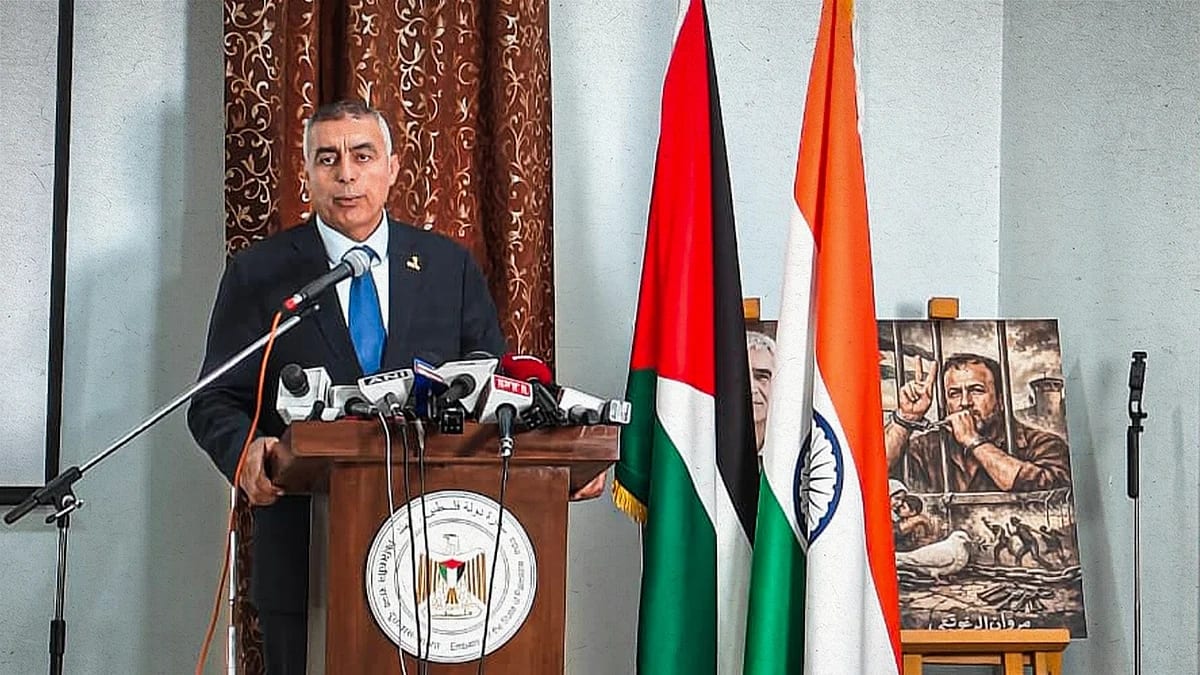
Palestinian Ambassador Abdullah M. Abu Shawesh welcomed these words.
However, he said words alone would not change what is happening on the ground.
He called for practical steps, international pressure and a clear timetable.
He also criticized BRICS for not inviting Palestine to the meeting.

The BRICS New Delhi Declaration expressed concern over escalating tensions in West Asia and supported a Gaza ceasefire.
The declaration reaffirmed support for a two-state solution, Palestinian self-determination, the right of return and full United Nations membership.
It rejected forced displacement and demographic or geographic changes in Gaza and called for unhindered humanitarian assistance.
Palestinian Ambassador Abdullah M. Abu Shawesh praised India’s BRICS presidency for maintaining consensus on Palestinian rights and international law.
Abu Shawesh said declarations were insufficient, urging a timetable for practical measures and criticizing the absence of Palestine from the summit.
- Who
- The 11-member BRICS grouping and Palestinian Ambassador to India Abdullah M. Abu Shawesh.
- What
- BRICS issued a declaration supporting a Gaza ceasefire, Palestinian rights and a two-state solution; Abu Shawesh welcomed it but demanded concrete action.
- Where
- The declaration was issued during the BRICS summit under India’s presidency; the article identifies it as the New Delhi Declaration.
- When
- The declaration was released on Saturday; the article does not specify the date.
- Why
- BRICS said peaceful means, international law and fulfillment of Palestinian rights were necessary for a lasting solution to the conflict.
BRICS Declaration
Palestinian Envoy’s Critique
Value of the declaration
BRICS Declaration
BRICS presented support for Palestinian rights, a ceasefire, international law and a two-state solution as important political positions.
Palestinian Envoy’s Critique
Abu Shawesh welcomed the positions but said repeated declarations had not changed conditions on the ground and needed to be followed by action.
Implementation
BRICS Declaration
The declaration called for Palestinian representation, full United Nations membership, humanitarian access and an end to occupation.
Palestinian Envoy’s Critique
The envoy said the declaration lacked a strict timetable, did not call for suspending weapons supplies to Israel and did not specifically condemn Israeli settler violence.
Responsibility and restraint
BRICS Declaration
The declaration called on all relevant parties to exercise maximum restraint amid escalating tensions.
Palestinian Envoy’s Critique
Abu Shawesh said this wording created a false equivalence between an occupying military power and Palestinians living under occupation.
Palestinian participation
BRICS Declaration
The declaration supported adequate Palestinian representation in international organizations and multilateral forums.
Palestinian Envoy’s Critique
The envoy criticized BRICS because Palestine was not invited to the meeting.
Key facts
- Declaration
- BRICS New Delhi Declaration
- Membership
- BRICS is described as an 11-member grouping.
- Gaza position
- The declaration supported a ceasefire and full, unhindered humanitarian assistance.
- Political solution
- It reaffirmed support for a two-state solution and a sovereign Palestinian state within the 1967 borders, with East Jerusalem as its capital.
- Palestinian rights
- It recognized the rights to self-determination and return.
- Displacement
- It rejected forced displacement and demographic or geographic changes to the Gaza Strip.
- Envoy’s criticism
- Abdullah M. Abu Shawesh called for an action plan with a strict timetable and practical measures.
Quotes
Abdullah M. Abu Shawesh
Palestinian Ambassador to India
“Finally, calling on 'all relevant parties' to exercise restraint creates a false equivalence. It places an occupying military power and the Palestinian population living under occupation on the same level.”
 firstpost.com
“What Palestinians need now is action. We have heard many of these important positions repeatedly. What is needed is an action plan- an action-oriented plan with a strict timetable and practical measures.”
firstpost.com
Sources
Related news
BRICS New Delhi Declaration Sharpens Pressure on Israel
BRICS New Delhi Declaration Signals Global South Challenge Western Order

BRICS Voices Concern Over Gaza Violence at New Delhi Meeting
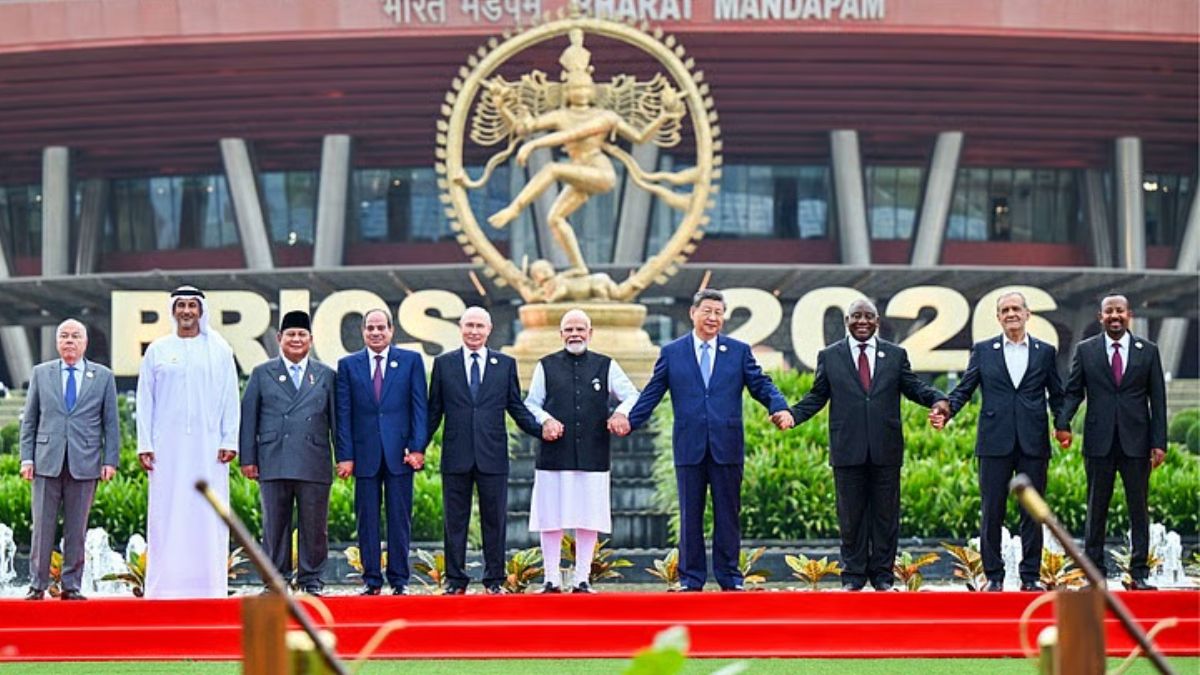
BRICS Declaration Uses Ambiguity to Signal Positions on Global Crises

BRICS Adopts New Delhi Declaration Despite West Asia Divisions
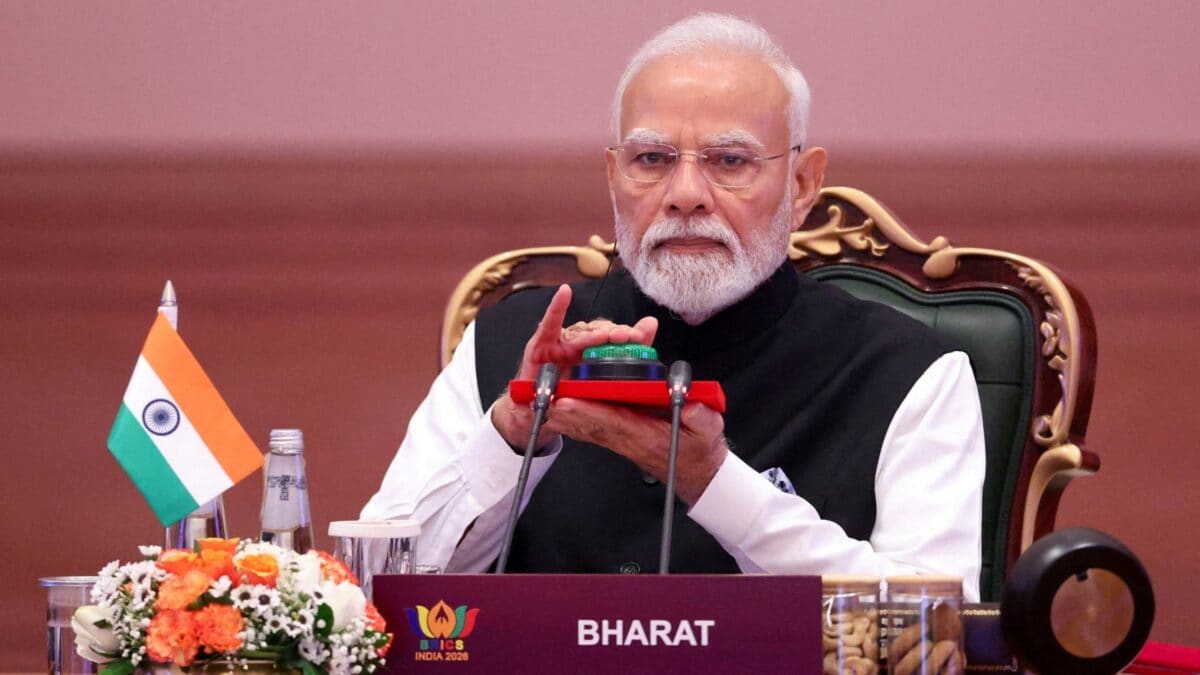
BRICS Declaration Criticizes Sanctions, Names Israel, Preserves India’s Balancing Act
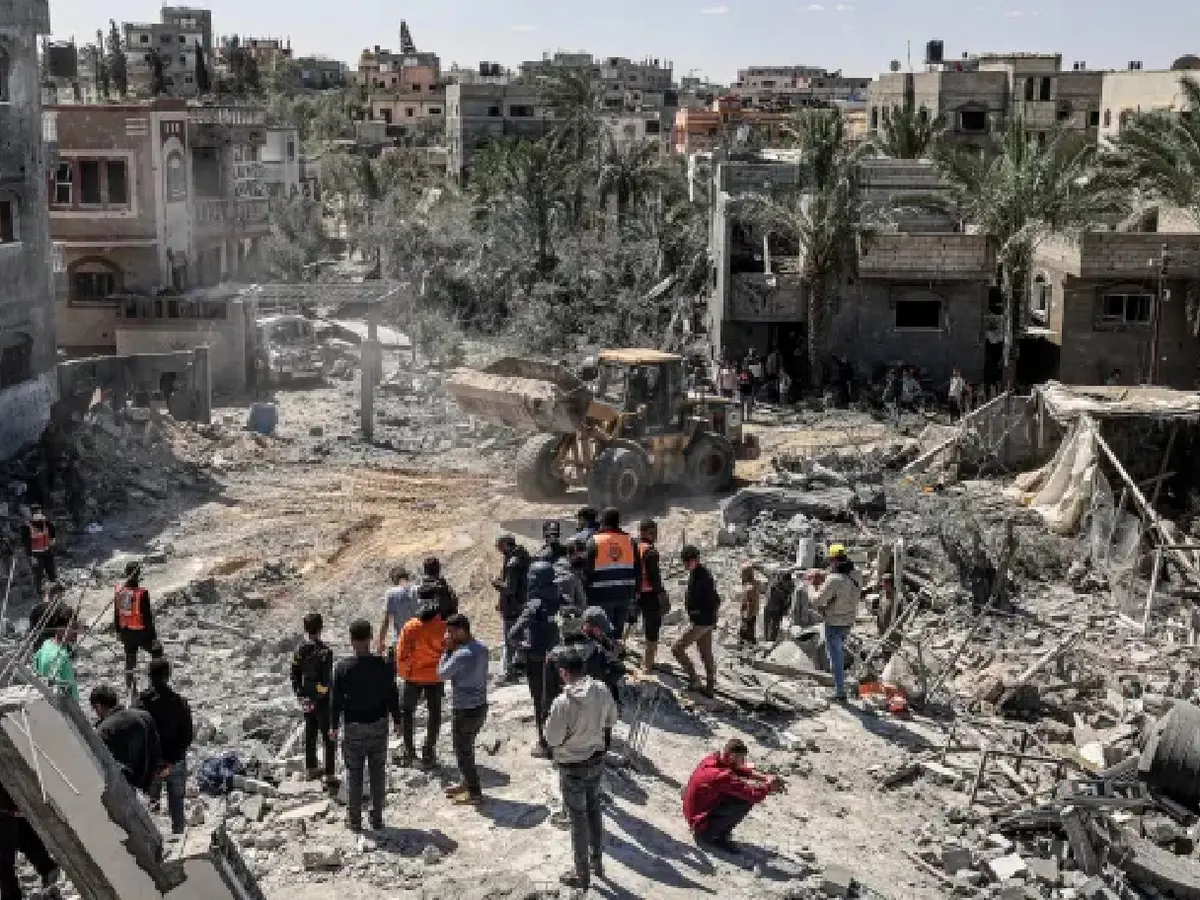
BRICS Condemns Israel as Pressure Mounts Over Gaza War
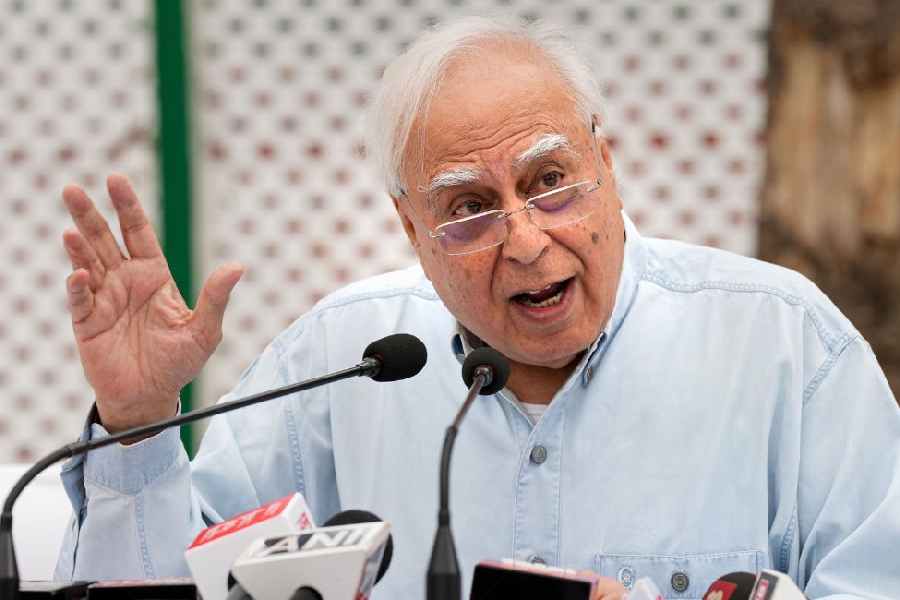
Sibal Questions BRICS Unity After New Delhi Summit
India’s BRICS Summit Wins Consensus Amid Global Divisions