5 days ago
U.N. Rights Office Condemns U.S. Terrorist Designation of Palestine Action

The United States labeled a group called Palestine Action as a terrorist organization.
The U.N. human rights office said this was too harsh and not necessary.
It warned that the decision could make people afraid to speak, protest or join groups.
The U.S. said the designation was part of its effort to fight terrorism and left-wing groups.
Israel’s foreign ministry supported the decision.
Palestine Action says it targets companies connected to Israel’s military to oppose the war in Gaza.
Britain has already banned the group after activists damaged two military planes.
A British court is considering an appeal against that ban.

The U.N. human rights office called the U.S. designation of Palestine Action disproportionate and unnecessary.
Washington designated Palestine Action as a terrorist group as part of President Donald Trump’s counter-terrorism efforts.
The rights office warned the designation could restrict free expression, peaceful assembly, association and political participation.
Palestine Action targets Israel-linked defense companies and says it seeks to disrupt Israel’s military-industrial operations.
Britain previously banned the group, prompting protests and about 3,000 arrests; its ban is being appealed.
- Who
- The U.S. government, the U.N. human rights office, Palestine Action, Israel’s foreign ministry and other U.N. experts are involved.
- What
- The United States designated Palestine Action as a terrorist group, drawing condemnation from U.N. rights officials.
- Where
- The U.S. designation was issued in Washington; Palestine Action has operated in Britain against Israel-linked companies.
- When
- The designation was announced Wednesday; the U.N. response was reported Thursday, Aug. 27.
- Why
- The U.S. said the designation supports President Donald Trump’s counter-terrorism efforts, while Palestine Action says its activities oppose Israel’s assault on Gaza.
Critics of the designation
Supporters of the designation
Free-expression concerns
Critics of the designation
The U.N. human rights office said the designation unnecessarily restricts free speech, peaceful assembly, association and participation in public affairs, and could chill civic activity.
Supporters of the designation
The U.S. administration designated Palestine Action under its counter-terrorism efforts, presenting the measure as part of a crackdown on left-wing groups.
Characterization of Palestine Action
Critics of the designation
Palestine Action says its disruptive activities are intended to save lives by targeting companies it describes as enablers of Israel’s military-industrial complex.
Supporters of the designation
The United States classified the group as a terrorist organization, while Israel’s foreign ministry welcomed the designation.
Scope of terrorism laws
Critics of the designation
U.N. officials Ben Saul and Francesca Albanese warned about the designation, saying expansive use of the term terrorism can silence critics.
Supporters of the designation
The U.S. and United Kingdom have used terrorist-group designations against Palestine Action, with Britain’s ban currently subject to a Supreme Court appeal.
Key facts
- U.S. action
- Washington designated Palestine Action as a terrorist group.
- U.N. assessment
- The U.N. human rights office called the designation disproportionate and unnecessary.
- Rights cited
- Freedom of expression, peaceful assembly, association and participation in public affairs.
- British ban
- The United Kingdom previously banned Palestine Action as a terrorist organization.
- Arrests after ban
- About 3,000 people were arrested during protests over Britain’s ban.
- Group’s targets
- Palestine Action has targeted Israel-linked defense companies, especially Elbit Systems.
- U.K. legal status
- The United Kingdom’s Supreme Court will hear an appeal concerning the ban.
Quotes
U.N. human rights office
Office of U.N. High Commissioner for Human Rights Volker Turk
“The designation “appears to be both a disproportionate and unnecessary restriction on the rights to freedom of expression, peaceful assembly and association as well as the right to participate in public affairs,””
 theprint.in
“Expansive use of the term ‘terrorism’ has been documented to have a chilling effect on civic space.”
theprint.in
Sarah McLaughlin
Senior scholar of global expression at the Foundation for Individual Rights and Expression
“we must reject that censorship – not import it.”
theprint.in
Sources
Related news
US Designates Palestine Action Terrorist, Targets Two More Groups
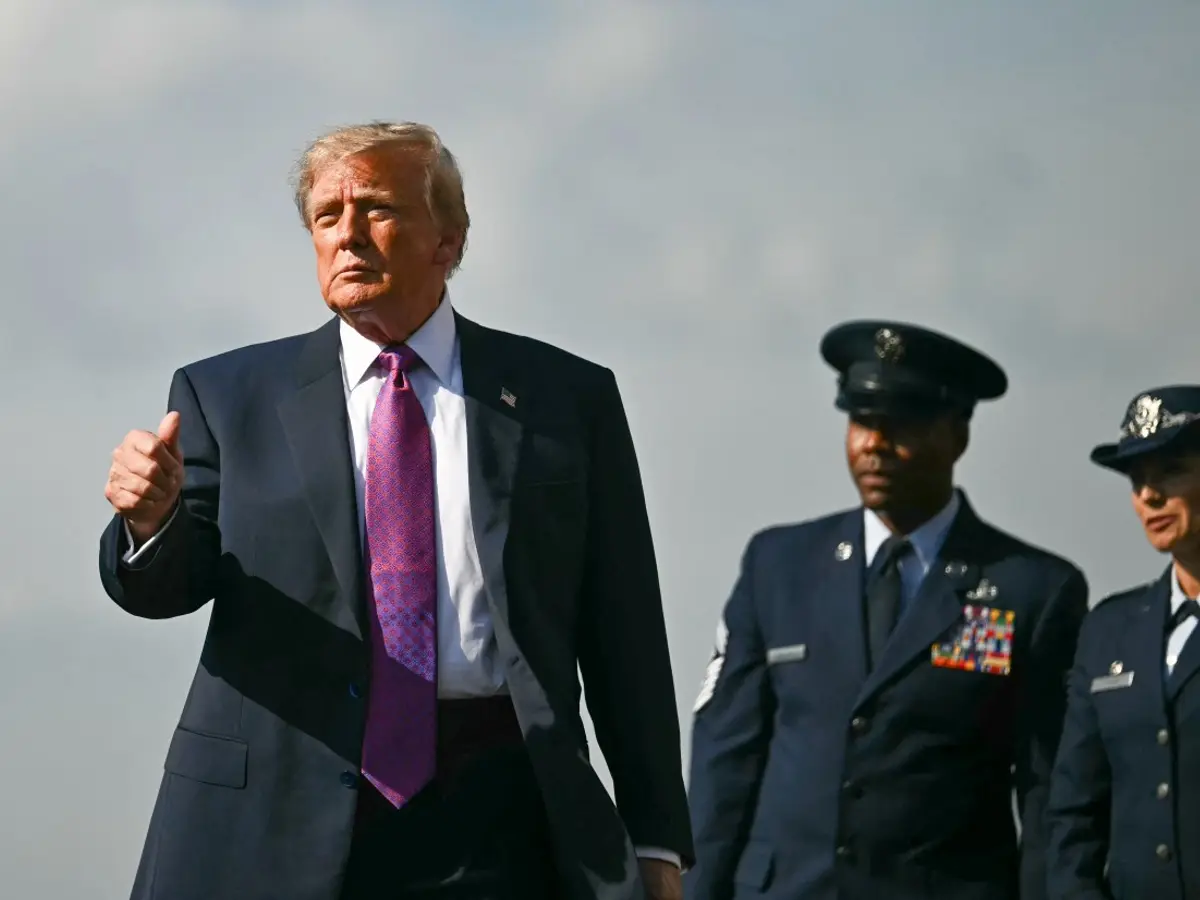
Judge blocks Trump's deportation efforts over pro-Palestinian speech
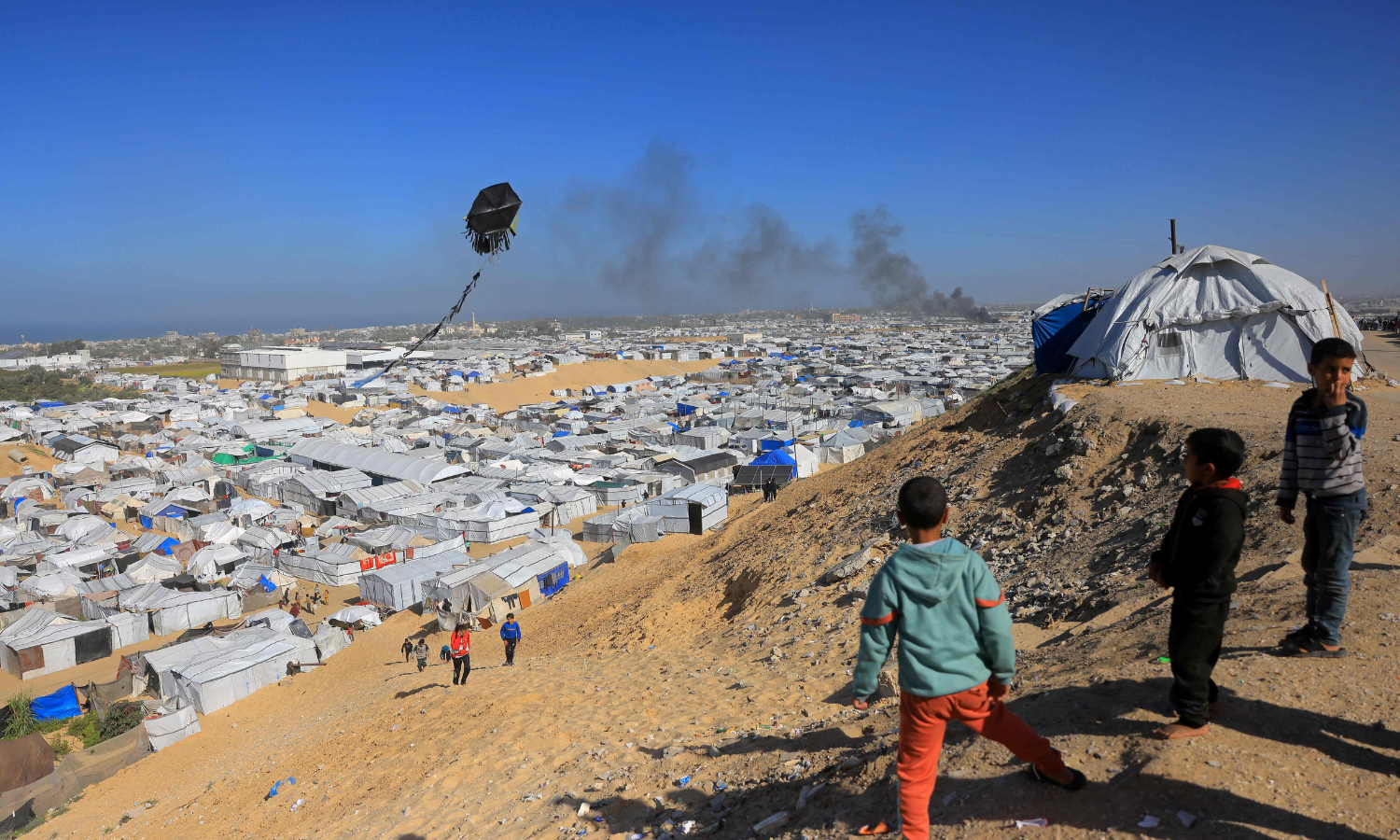
UN Condemns Israel Threats Over Gaza Kite Launches
Judge Blocks Trump Deportations Over Pro-Palestinian Speech
UN Demands Accountability for Protest Deaths in PoK

Report Finds Israeli Defense Funding at 15 US Universities

Amnesty Report: India's Defence Boom Fuels Arms Supplies to Israel
Supreme Court to Review Ban on Palestine Action Group
Amnesty Report: India’s Arms Exports to Israel Raise Genocide Concerns