

5 days ago
India's Northeast Needs Regional Coordination, Not One-Size-Fits-All Policy
People often call eight different states the Northeast because they are next to one another on the map.
These states do share problems such as poor connectivity, difficult terrain and border security.
However, their peoples, languages, histories and political priorities are very different.
Some states also disagree with one another about borders and resources.
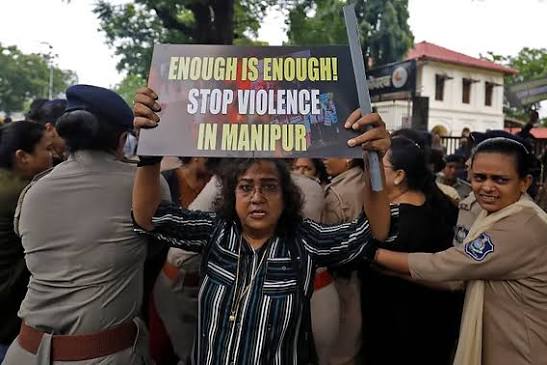
Manipur's long-running conflict shows how complicated these internal differences can be.
Assam is especially important for the region's transport and economy, while other states have different concerns involving China, Myanmar, tribal rights or migration.
The article says India should not use exactly the same plan for every state.
Instead, the states should cooperate on shared issues while receiving policies designed for their individual needs.
It also recommends stronger systems for resolving disputes between the states.

The eight Northeastern states share geographic and policy challenges but differ sharply in ethnicity, language, constitutional arrangements and political interests.
Recent Assam-Arunachal Pradesh border violence highlights unresolved territorial disputes despite a 2023 agreement covering substantial contested areas.
Manipur's conflict has expanded beyond the Meitei-Kuki confrontation to include tensions between Kuki-Zo groups and Nagas.
States including Nagaland, Mizoram, Meghalaya, Tripura and Sikkim have distinct security, demographic, resource and constitutional concerns.
The proposed approach combines regional cooperation on connectivity and resilience with state-specific policies and permanent mechanisms for inter-state disputes.
- Who
- The Government of India, the eight Northeastern states, and communities involved in regional ethnic and territorial disputes.
- What
- The article argues for a two-level approach combining regional cooperation with state-specific policies and stronger inter-state dispute-resolution mechanisms.
- Where
- Across Arunachal Pradesh, Assam, Manipur, Meghalaya, Mizoram, Nagaland, Sikkim and Tripura.
- When
- The article refers to recent border violence, a 2023 Assam-Arunachal Pradesh agreement, and the Manipur conflict entering its fourth year.
- Why
- The states share regional challenges but have different demographic, constitutional, territorial, security and resource-related interests.
Regional Framework
State-Specific Governance
How policy should be designed
Regional Framework
A shared Northeast framework is useful for connectivity, logistics, disaster management, tourism, trade with Southeast Asia and border management.
State-Specific Governance
A uniform policy can be counterproductive because the states have different constitutional protections, demographic structures, resource regimes and security concerns.
How regional identity should be understood
Regional Framework
The eight states have enough common challenges and shared geography to justify regional institutions and coordinated planning.
State-Specific Governance
The term Northeast should not be treated as describing a single political community, because the states have competing territorial claims, distinct identities and divergent political interests.
Managing internal disputes
Regional Framework
Regional cooperation can help address shared infrastructure, environmental and economic problems.
State-Specific Governance
The Centre must also create boundary commissions, shared-resource agreements, inter-state economic zones and permanent conflict-resolution mechanisms for disputes between Northeastern states.
Key facts
- States included
- Arunachal Pradesh, Assam, Manipur, Meghalaya, Mizoram, Nagaland, Sikkim and Tripura.
- Common regional challenges
- Connectivity, remoteness, border security, economic underdevelopment, migration, resource competition and difficult terrain.
- Assam-Arunachal Pradesh dispute
- The states reached a 2023 agreement that resolved a substantial portion of their contested areas, but recent violence has occurred along the border.
- Manipur conflict
- The conflict began principally as a Meitei-Kuki confrontation in 2023 and has also involved Kuki-Zo and Naga tensions.
- Regional institutions
- The North Eastern Council and the Ministry of Development of North Eastern Region support regional coordination.
- Distinct protections
- Article 371F provides special protections for Sikkim, while Inner Line Permit arrangements apply historically in Nagaland, Mizoram and Arunachal Pradesh and have also been introduced in Manipur.
Sources
Related news

Himanta appeals for peace amid Assam-Arunachal border clash

Assam-Arunachal border dispute tensions persist despite 2023 pact

Sarma urges Arunachal CM Khandu to probe border firing

Fresh Clash Erupts Along Assam-Arunachal Border, Police Fire in Air
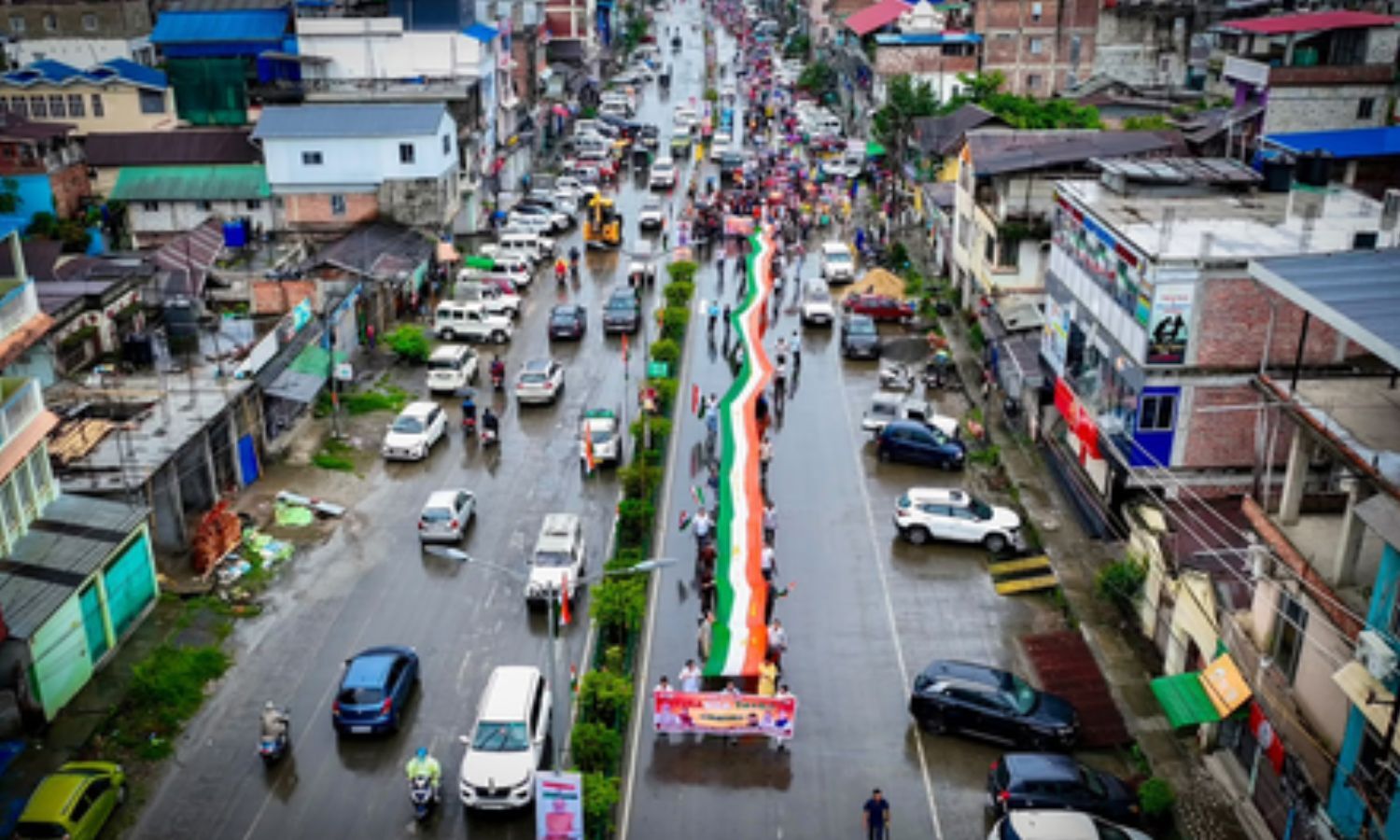
Manipur CM urges all communities to safeguard state's territorial integrity
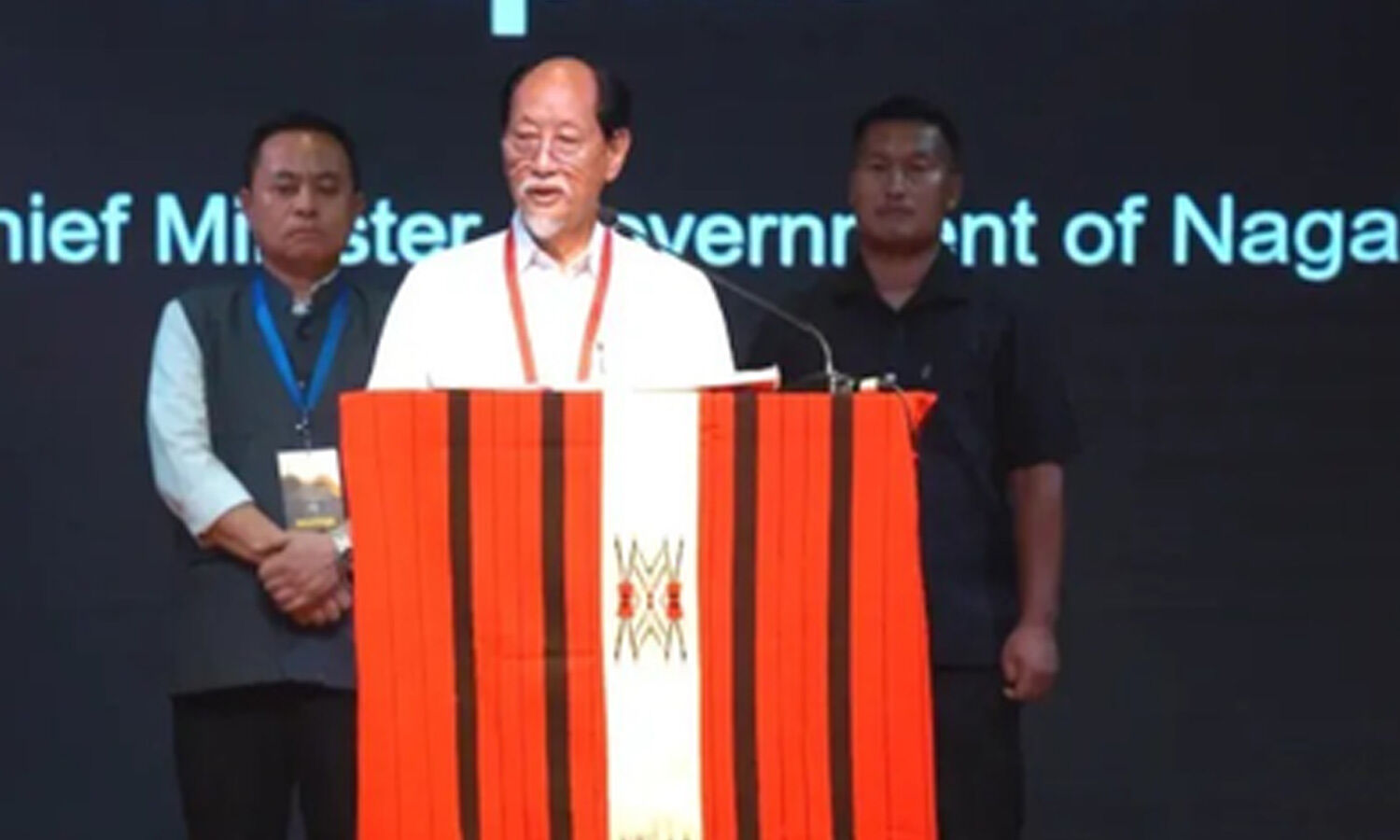
Nagaland CM urges ILP balance identity protection with development
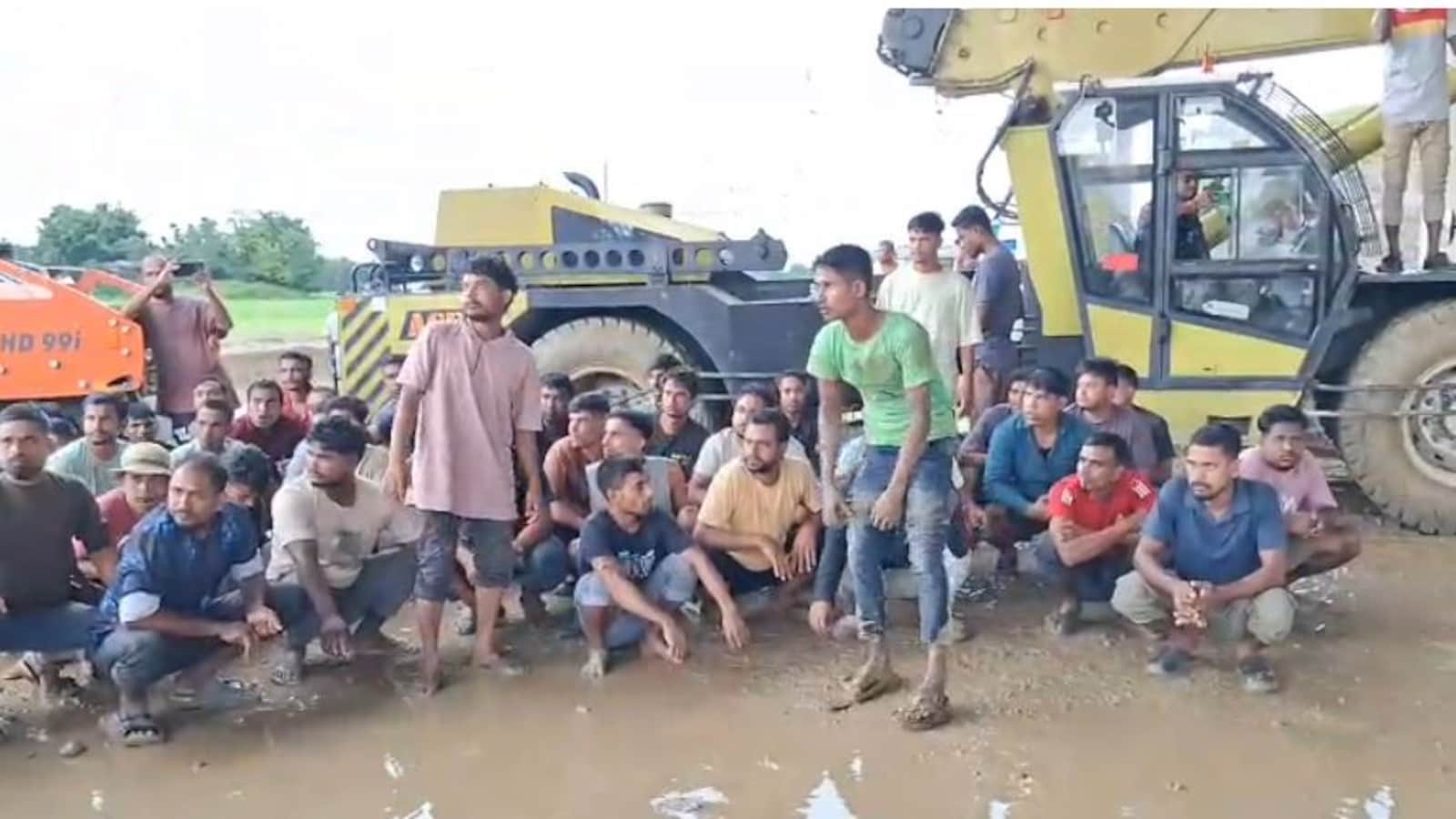
Assam-Mizoram Border Tense as Truckers Maintain Traffic Blockade

GST Collection Rises Nearly 15% To About Rs 2 Lakh

Delhi Court Allows NIA Tihar Interrogation of Two Foreigners

Family Seeks US Intervention for Detained Mercenary Matthew VanDyke

Dhumal, Majumdar Set for Unopposed IPL Council Re-election
