5 days ago
France’s Proposed Public Hijab Ban Faces Secularism and Legal Challenges
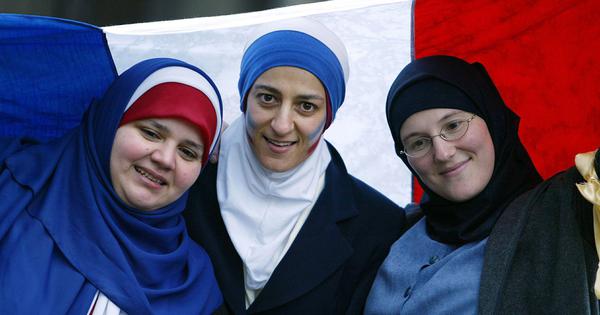
Marine Le Pen’s political party wants to stop people from wearing Islamic headscarves in public places in France.
The party says a headscarf can be a sign of Islamism, which is a political ideology.
The article says this connection is not proven for everyone who wears one.
Muslim women may wear headscarves for many different reasons, including faith, identity or personal empowerment.
French secularism is meant to keep the government neutral while protecting people’s freedom to practice religion.
Some religious clothing is already restricted in specific places, such as schools or workplaces.
But a ban everywhere in public would be much broader.
The author says it could violate human-rights protections and unfairly target Muslim women.

Marine Le Pen’s Rassemblement national has proposed banning hijabs in French public spaces, including on streets.
The proposal is justified by linking headscarves to Islamism rather than by France’s principle of secularism.
The article argues that headscarves have diverse religious, personal, cultural and social meanings and cannot automatically indicate political extremism.
A public-space ban could conflict with Article 9 of the European Convention on Human Rights and other international protections for religious freedom.
Critics warn that the proposal could disproportionately affect Muslim women and raise serious discrimination and rule-of-law concerns.
- Who
- Marine Le Pen’s Rassemblement national proposed the ban; the proposal is criticized by Lauren Bakir, a public-law researcher at the University of Strasbourg.
- What
- A proposal to ban Islamic headscarves in French public spaces, including on the street.
- Where
- France, particularly public spaces such as streets.
- When
- The proposal resurfaces around French presidential elections; the article also references relevant laws from 2004, 2010 and 2016.
- Why
- The Rassemblement national links headscarves to Islamism, while the article argues that this connection is not sufficiently supported and conflicts with religious freedom and equality protections.
Arguments for the ban
Arguments against the ban
Connection to Islamism
Arguments for the ban
The Rassemblement national argues that the headscarf can be linked to Islamism and presents it as a visible sign of a political ideology.
Arguments against the ban
The article argues that wearing a headscarf does not by itself establish adherence to Islamism, because women attach varied meanings to the practice.
Role of secularism
Arguments for the ban
Supporters of restrictions have previously invoked secularism, republican values, social cohesion or neutrality in specific contexts.
Arguments against the ban
The article says secularism protects religious freedom and state neutrality, rather than requiring ordinary citizens to avoid religious symbols in public.
Legal and equality implications
Arguments for the ban
The proposal seeks to extend existing restrictions on religious expression to public spaces.
Arguments against the ban
The article says a general ban could violate European and international rights protections, undermine the rule of law and disproportionately discriminate against Muslim women.
Key facts
- Proposing party
- Rassemblement national, led by Marine Le Pen
- Proposed restriction
- A ban on wearing Islamic headscarves in public spaces
- French secularism
- Protects freedom of religion, equality regardless of religion and state neutrality
- Relevant European protection
- Article 9 of the European Convention on Human Rights protects freedom of thought, conscience and religion
- Other international protections
- Articles 18 and 26 of the International Covenant on Civil and Political Rights protect religious freedom and equality
- Earlier restrictions cited
- France introduced restrictions involving religious symbols in schools in 2004, face coverings in public spaces in 2010 and workplace neutrality clauses in 2016
- Main concern
- A broad ban could disproportionately affect Muslim women and conflict with the rule of law
Quotes
United Nations Human Rights Committee
UN human-rights body cited regarding France’s restrictions on religious expression
“assess the discriminatory effect in practice and the impact of these measures on members of religious minorities, in particular Muslim women and girls”
 scroll.in
Sources
Related news
Allahabad HC Rejects Hijab Plea, Citing School Uniform Rules
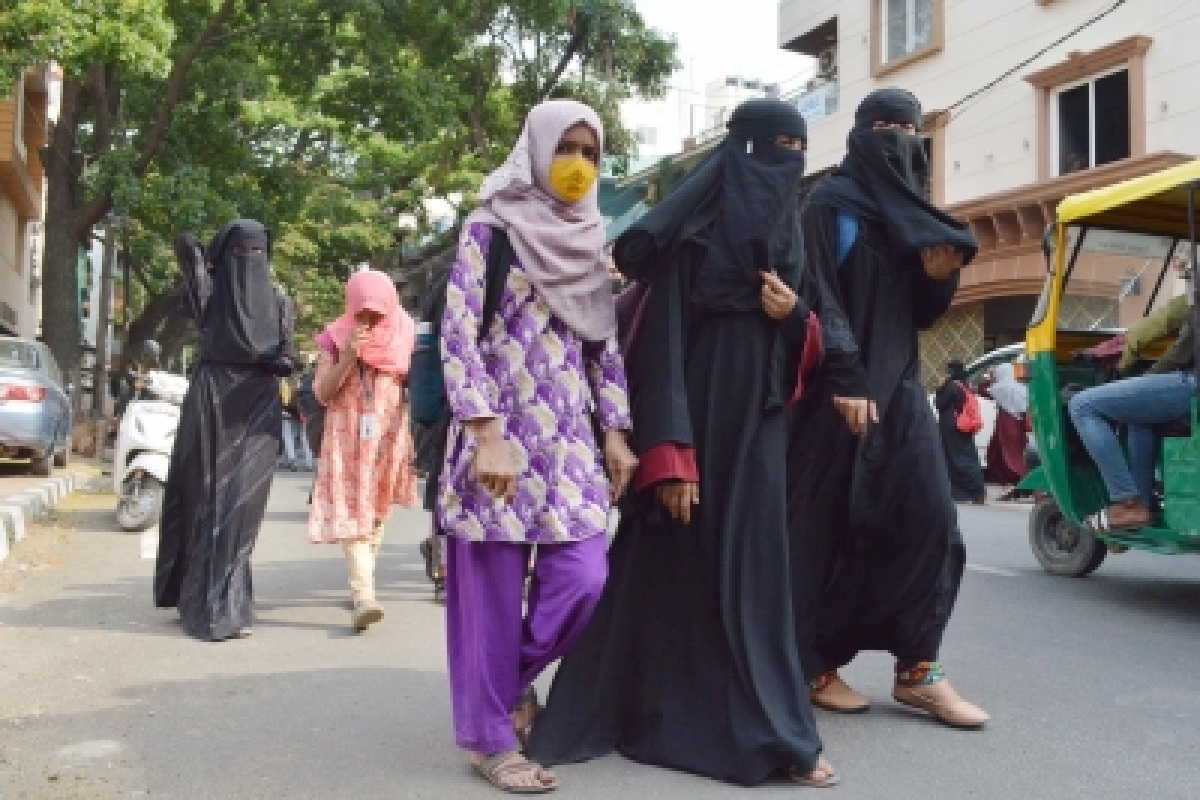
Allahabad High Court Hijab Verdict Intensifies School Dress-Code Debate
Leaders Divide After Allahabad High Court Dismisses Hijab Plea
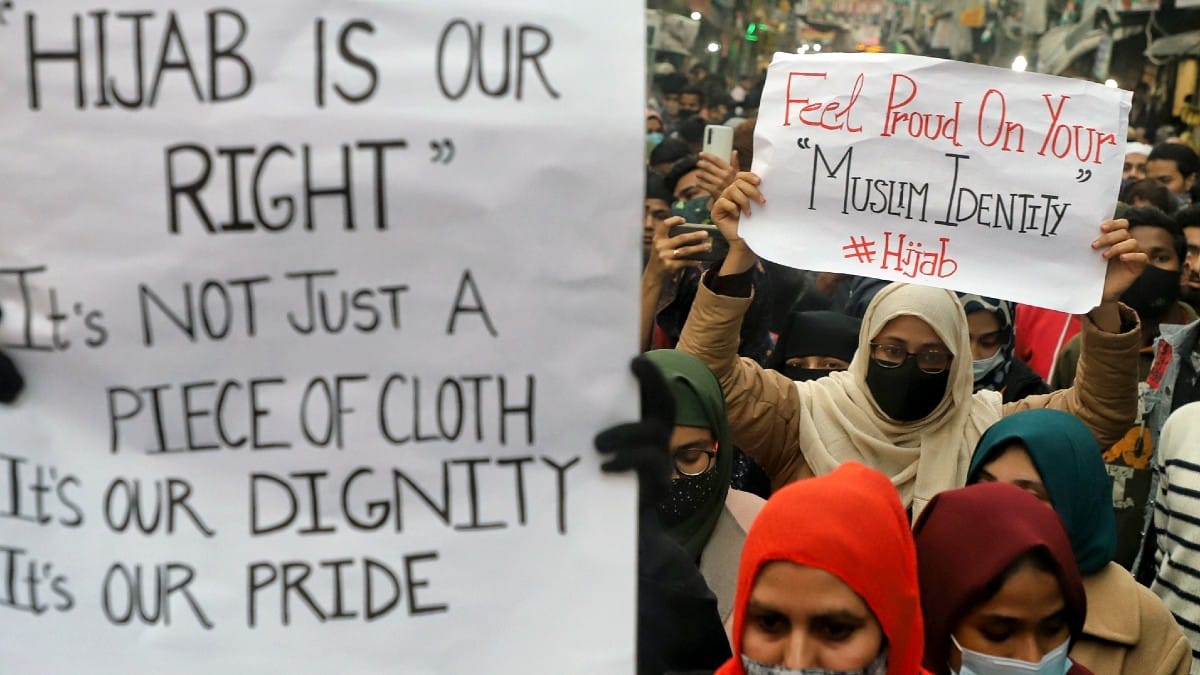
Questioning Hijab Interpretations Does Not Mean Questioning Islam
Allahabad High Court Rejects Student’s Hijab Plea Over Uniform Rules
Owaisi Slams Allahabad High Court Hijab School Uniform Ruling

Six Jehovah’s Witnesses Sentenced in Russia After Informant Evidence

Rights group denounces removal of Ahmadi official from Pakistan post