3 hrs ago
India Should Reform Reservation to Widen First Opportunities
Reservation gives certain groups extra access to education, jobs or political representation because they have faced discrimination and exclusion.
The article says reservation is not the same as a poverty-relief program.
However, it asks whether the benefits are reaching families that have never received them.
It proposes reserving part of the existing quota for first-time or first-generation beneficiaries.
If there are not enough such candidates, the places would go back to the wider eligible group.
The article also supports considering poverty, schooling, family education and location when measuring disadvantage.
These measures would add to, not replace, caste-based protections.
It says political representation should also reach people outside established families and networks.
Overall, it argues that reservation should be improved until people’s opportunities depend less on their birth.

Reservation is presented as a tool for social inclusion, representation and protection against entrenched caste discrimination, not simply poverty relief.
The proposed “first opportunity” window would prioritize roughly 25–35% of reserved opportunities for first-time or first-generation beneficiary families.
Unused first-opportunity slots would return to the wider eligible category rather than remain vacant.
The article supports adding deprivation measures such as income, assets, parental education and schooling access without replacing caste-based safeguards.
It argues for reforming, rather than abolishing, reservation while improving schools, enforcing anti-discrimination rules and reducing caste barriers.
- Who
- The article discusses historically disadvantaged communities, first-generation beneficiaries, existing reservation beneficiaries and policymakers; it also references B R Ambedkar and Chhatrapati Shahu Maharaj.
- What
- It proposes reforming India’s affirmative-action system to distribute opportunities more widely while retaining caste-based safeguards.
- Where
- India, including political mobilisation around Jantar Mantar.
- When
- The article refers to the policy’s history since 1902, the 2024 Davinder Singh decision and anti-reservation mobilisation in August.
- Why
- The proposed reforms aim to ensure that reservation reaches families and communities still excluded while continuing protection against structural discrimination.
Reform and retain reservation
Abolish or shift emphasis toward economic disadvantage
Future of caste-based reservation
Reform and retain reservation
The article argues that uneven distribution is a design problem, so reservation should be reformed rather than abolished because caste discrimination and exclusion continue.
Abolish or shift emphasis toward economic disadvantage
The August mobilisation around Jantar Mantar is described as reflecting demands for greater attention to economic disadvantage and dissatisfaction with the existing system.
Who should receive priority?
Reform and retain reservation
Existing eligible groups should retain protection, but a meaningful share—about 25–35%—should prioritize first-time or first-generation beneficiary families.
Abolish or shift emphasis toward economic disadvantage
Critics may prefer a stronger focus on economic hardship rather than allowing benefits to circulate repeatedly within established beneficiary families; the article presents this as a concern, not as a settled alternative.
Role of caste and deprivation measures
Reform and retain reservation
Caste-based safeguards should remain central, with income, education, assets and schooling access added as supplementary measures.
Abolish or shift emphasis toward economic disadvantage
The article notes a competing view that economic disadvantage should receive greater attention, but rejects replacing caste protections solely with economic criteria.
Key facts
- Historical starting point
- In 1902, Chhatrapati Shahu Maharaj of Kolhapur reserved 50% of government posts for backward classes.
- Policy purpose
- Reservation is described as a mechanism for social inclusion, representation and protection against entrenched discrimination.
- First-opportunity proposal
- Around 25–35% of opportunities within existing reservation categories could be prioritized for first-time or first-generation beneficiary families.
- Unused opportunities
- If adequate first-opportunity candidates are unavailable, the places would return to the wider parent category.
- Deprivation measures
- Suggested factors include rural or remote schooling, family income and assets, parental education, first-generation graduate status and access to quality schools.
- Political representation
- The article says a 25–30% first-opportunity principle deserves study for reserved political opportunities.
- Sub-classification
- The Supreme Court’s 2024 Davinder Singh decision is described as opening constitutional space for sub-classification within Scheduled Castes.
Sources
Related news
Reservation Reform Movement Faces Criticism Over Anti-Quota Demands
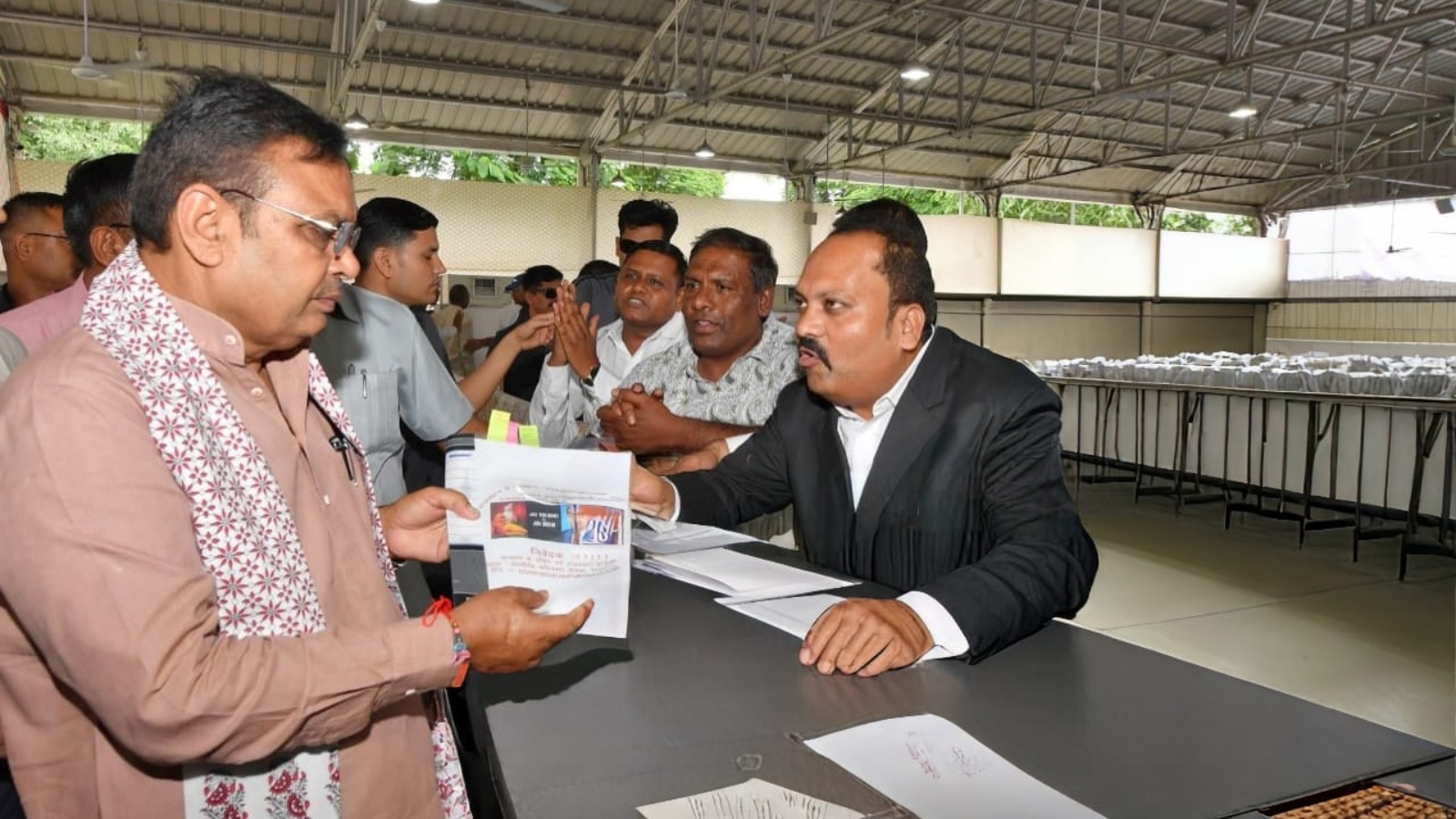
Rajasthan Dalit, Tribal Groups Push for Quota Sub-Categorisation

India Upfront Debates Reservation Reform, Caste, Merit And Social Justice

Ajeet Bharti Unveils Reservation Reform Demands At Delhi Protest

Before Ending Reservations, Ask Whether Caste Discrimination Has Ended
Chirag Paswan, Jitan Ram Manjhi Clash Over SC, ST Quotas
Supreme Court Questions BCCI Over Sports Governance Act
Supreme Court Calls for Strict Enforcement of Seat Belt Law

Odisha Mining Law Sparks Fresh Centre-State Tussle
Supreme Court Slams Hospital Over EWS Emergency Care SOP