2 hrs ago
Supreme Court Calls for Strict Enforcement of Seat Belt Law
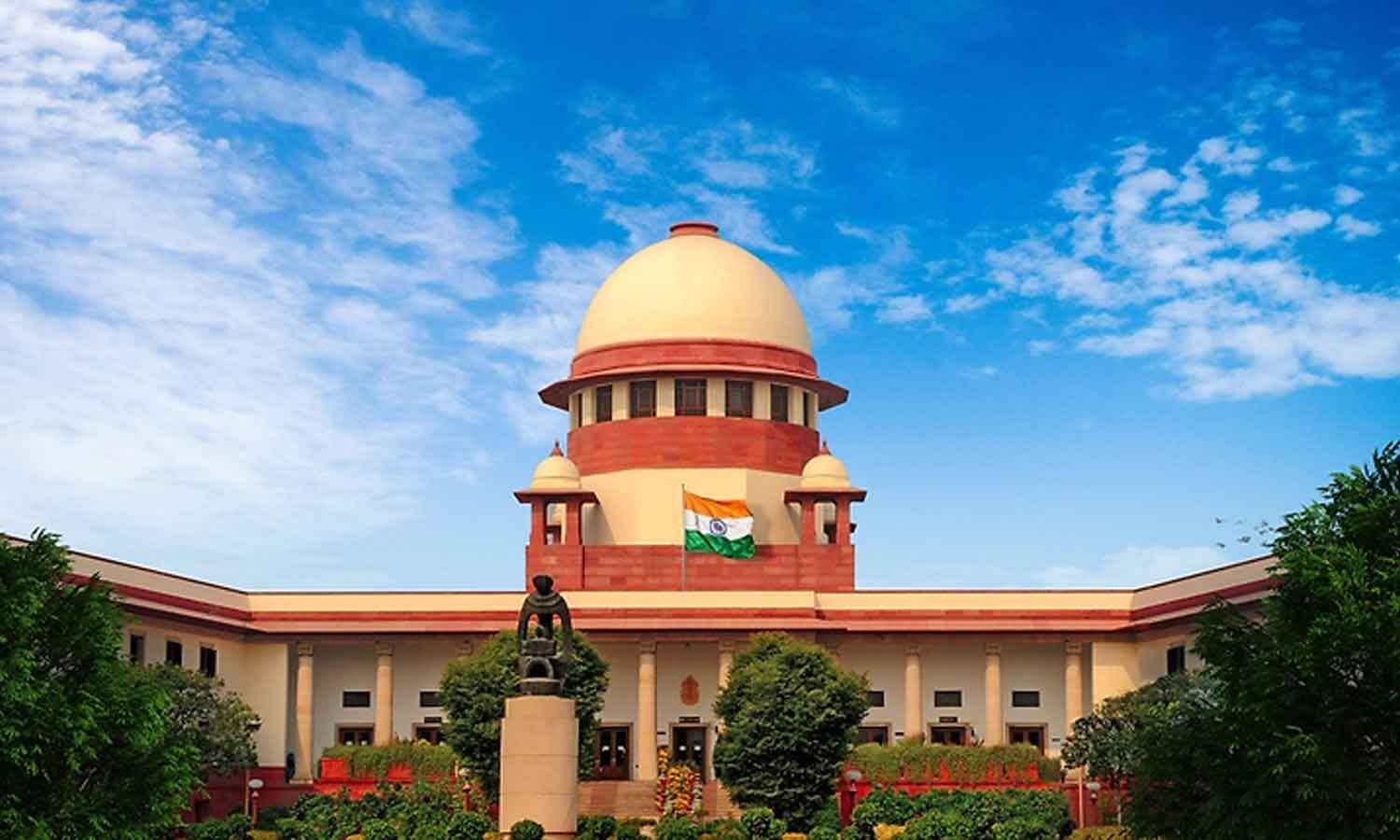
India’s Supreme Court discussed how people should wear seat belts in moving vehicles.
The court said that laws already require many passengers to wear them.
These rules cover drivers, front-seat passengers, and people in forward-facing rear seats.
The court said the main problem is making sure people follow the law.
It said law enforcement agencies must take action when people do not comply.
The petitioner said more seat belt use could prevent deaths and serious injuries in crashes.
The petitioner also said some seat belts do not work because of seat covers or vehicle changes.
The case was closed, but the petitioner may send suggestions to the appropriate authority.

The Supreme Court said existing laws require seat belts to be worn while vehicles are moving.
The court said law enforcement agencies must ensure compliance with seat belt rules.
The petitioner's counsel said better compliance could prevent road-accident deaths and injuries.
The counsel raised concerns about non-functional seat belts caused by fancy covers and vehicle modifications.
The court disposed of the petition and allowed the petitioner to send suggestions to the concerned authority.
- Who
- The Supreme Court bench led by Chief Justice of India Surya Kant, along with Justices Joymalya Bagchi and V Mohana, heard the petition.
- What
- The court considered a plea seeking mandatory seat belt use and stricter enforcement of existing rules.
- Where
- The matter was heard in New Delhi.
- When
- The observation was made on Wednesday.
- Why
- The petition argued that stronger compliance with seat belt rules could prevent road-accident deaths and injuries.
Petitioner’s concerns
Court’s position
Need for stronger action
Petitioner’s concerns
The petitioner’s counsel argued that negligence by the public and weak enforcement contribute to serious injuries and deaths in road accidents.
Court’s position
The court said adequate laws already exist and that enforcement agencies are responsible for ensuring compliance.
Seat belt availability
Petitioner’s concerns
The petitioner’s counsel said some vehicles have non-functional seat belts because of fancy seat covers or other modifications.
Court’s position
The court focused on enforcing the existing legal requirement rather than issuing new directions.
Role of the court
Petitioner’s concerns
The petition sought directions for mandatory seat belt use in vehicles.
Court’s position
The court disposed of the plea and asked the petitioner to send suggestions to the competent authority.
Key facts
- Court
- Supreme Court of India
- Bench
- Chief Justice of India Surya Kant, Justice Joymalya Bagchi, and Justice V Mohana
- Relevant rule
- Rule 138(3) of the Central Motor Vehicles Rules, 1989
- Covered occupants
- Drivers, front-seat passengers, and occupants of forward-facing rear seats
- Court's position
- Existing laws are adequate; the main issue is implementation
- Petition outcome
- The plea was disposed of, with liberty to submit suggestions to the concerned authority
- Safety concern
- The petitioner linked seat belt compliance to preventing road-accident deaths and injuries
Quotes
Supreme Court bench
A bench comprising Chief Justice of India Surya Kant and Justices Joymalya Bagchi and V Mohana
“The law is very clear on seat belts. The question is of implementation. How can we ensure that every citizen and every driver in this country complies with it?”
 thehansindia.com
“It is the work of the law enforcement agencies to ensure compliance.”
thehansindia.com
Sources
Related news

Latur Police Penalise 58 Personnel Before Helmet Rule Enforcement
Helmet Drive Penalises 450 Riders On Tirupati's Garuda Varadhi
Indore Joins Nine-District MP Mission for Zero Fatalities
Delhi Tightens Bus Safety Rules After Minor’s Alleged Gang-Rape

Telangana High Court Seeks Response on Road Safety Councils
Supreme Court Questions BCCI Over Sports Governance Act

Odisha Mining Law Sparks Fresh Centre-State Tussle
Supreme Court Slams Hospital Over EWS Emergency Care SOP
Supreme Court Seeks Class VI Exemption From CBSE Language Policy