3 weeks ago
India's UPI Is Public Infrastructure, Not Just Commercial Service

In India, there is a special system called UPI that lets people send and receive money using their phones.
It works like a public road or a park that everyone can use.
Some important things cost a lot of money to build, but we do not pay a fee every time we use them.
That is because they help everyone in the neighborhood, not just one person.
The article says UPI is one of these helpful public things, and it is not just a money-making business.
When more people and shops use UPI, it becomes even more useful for everyone.
This is called a network effect.
So even though running a system like UPI may be expensive, the article says it is worth it because it helps the whole country.

The article argues that India's Unified Payments Interface (UPI) is public infrastructure, not merely another commercial service.
It highlights an important distinction between cost and price, noting that costly public infrastructure does not require a toll at every point of use.
UPI is described as having strong public-good characteristics and large positive externalities.
The article says UPI's benefits spill over to society at large because of its powerful network effects.
Its value rises as more people and merchants use the system.
- Who
- UPI users, including people and merchants in India
- What
- An argument that UPI is public infrastructure with public-good characteristics, not just a commercial service
- Where
- India
- When
- Not specified in the article
- Why
- Because UPI's benefits spill over to society at large and its value increases through network effects as more people and merchants use it
Key facts
- System
- Unified Payments Interface (UPI)
- Country
- India
- Classification
- Public infrastructure, not just a commercial service
- Key characteristics
- Public-good characteristics, large positive externalities, powerful network effects
- Core distinction
- Cost versus price
- Value driver
- Growing usage by people and merchants
Sources
Related news

India Should Fund UPI as Digital Public Infrastructure

Fair Pricing Debate Grows As UPI Network Costs Rise

Economist challenges claim UPI merchant fee won't affect consumers

Keep UPI Free by Funding It From Savings

UPI Was Meant To Be a Protocol, Not a Product
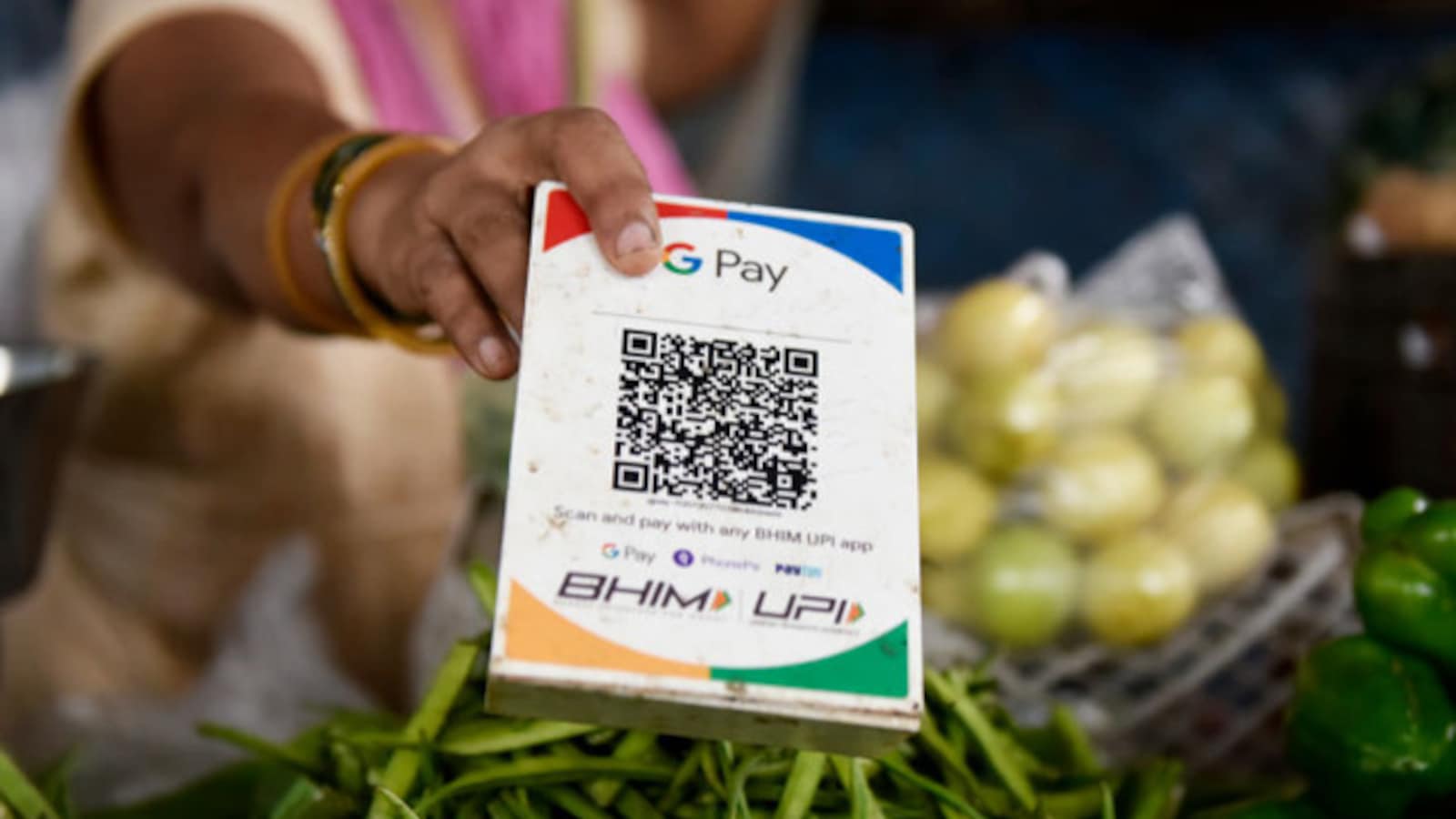
India's UPI Funding Debate Reopens Question of Transaction Charges
India’s Banking AI Push Revives Old Technology Job Debate

UPI Accepted in 11 Countries, But Payments Vary
Axis Bank Adds Separate UPI Limits for Payment Categories

Credit Card Transactions Surge as Average Spending Falls in July

India Plans Agentic AI Payments Through Popular UPI Network