3 weeks ago
US Senate bill threatens 100% tariffs on Russian crude importers
The United States has passed a new law that could punish countries that keep buying oil from Russia.
President Donald Trump would be allowed to add taxes, called tariffs, of up to 100% on goods from those countries.
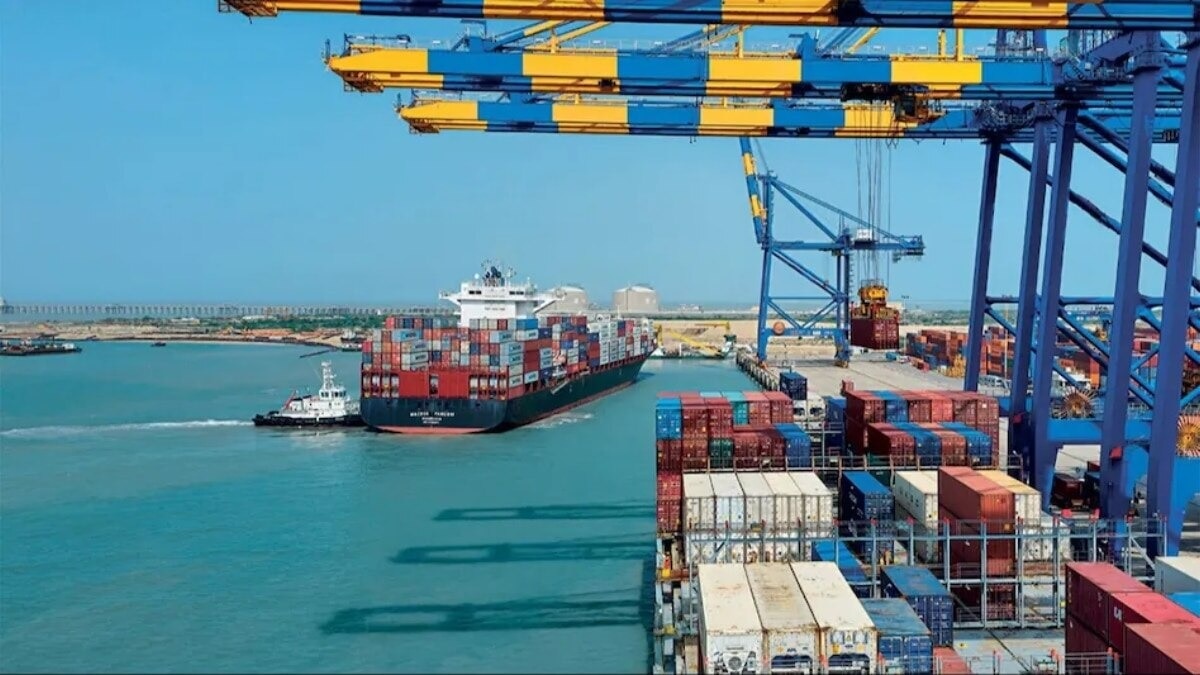
India buys a lot of Russian oil, so this law could make Indian products much more expensive in America.
India already pays a 25% tariff for buying Russian oil.
Exporters in India are worried and are waiting to see what happens next.
The law still has to be approved by the House of Representatives before it takes effect.
If India had to pay 100% tariffs, it would hurt Indian businesses that sell to the United States.
The tariffs would only apply to countries that are among the five biggest buyers of Russian oil.
Some people think President Trump will not actually use the full 100% tariff.
The law is named after Senator Lindsey Graham and is meant to punish Russia and Iran.

The US Senate passed the Lindsey O. Graham Sanctioning Russia and Iran Act of 2026 on August 7, authorizing President Donald Trump to impose tariffs of up to 100% on countries importing Russian oil and gas.
India, the second-largest buyer of Russian crude, would face the additional tariffs if it keeps buying Russian oil and remains among the five largest buyers 30 days after the law takes effect.
The tariffs would stack on top of existing US duties, including a 25% punitive tariff India already faces and a 10% ad valorem duty linked to forced labour charges.
The bill now goes to the House of Representatives, which can approve, amend or reject it when it reconvenes on August 31.
Russia supplied 30.3% of India's crude imports in FY2026, worth $40.8 billion, while India's crude imports from the US rose to $9.1 billion in FY26.
- Who
- US President Donald Trump, who is authorized to impose the tariffs; the US Senate and House of Representatives; India as a major Russian crude buyer; and Indian exporters represented by FIEO.
- What
- The US Senate passed the Lindsey O. Graham Sanctioning Russia and Iran Act of 2026, which could trigger tariffs of up to 100% on countries importing Russian oil and gas.
- Where
- Washington, US; the bill targets countries including India that import Russian crude oil.
- When
- The Senate passed the bill on August 7; the House of Representatives reconvenes on August 31 to approve, amend or reject it; tariffs would apply 30 days after the law takes effect.
- Why
- To sanction Russia and Iran and pressure countries that continue buying Russian crude oil or natural gas.
Concern over the US tariff threat
Call for calm over the US tariff threat
Impact of the 100% tariff threat
Concern over the US tariff threat
Exporters are concerned and a fund manager described the bill as a 'hostile act against India', viewing it as a serious threat to Indian trade.
Call for calm over the US tariff threat
A former ambassador argues that 'Trump can't afford it' and that India should not get worked up yet over the threat.
Is India shutting out American energy?
Concern over the US tariff threat
The US has imposed punitive tariffs on India for its purchases of Russian crude, signalling disapproval of India's energy trade with Russia.
Call for calm over the US tariff threat
GTRI says Washington cannot credibly claim India is shutting out American energy, noting India's US crude imports rose to $9.1 billion in FY26 and total US energy purchases reached $12.5 billion.
Key facts
- Bill name
- Lindsey O. Graham Sanctioning Russia and Iran Act of 2026
- Passed by
- US Senate on August 7
- Maximum tariff
- Up to 100% on goods from countries buying Russian oil or gas
- India's Russian crude share (FY2026)
- 30.3%, worth $40.8 billion
- India's July Russian crude imports
- Record 2.8 million barrels per day
- India's US energy purchases (FY26)
- $12.5 billion, including $9.1 billion in crude
- Existing US duties on India
- 25% punitive tariff for Russian crude plus 10% ad valorem duty on forced labour charges
- Next step
- House of Representatives reconvenes August 31
Quotes
Ajay Sahai
Director General and CEO of the Federation of Indian Export Organisations (FIEO)
“It is not a good development and exporters are concerned. But we are awaiting how the Act is finally implemented.”
 businesstoday.in
Sources
Related news
US Senate Sanctions Bill Threatens India's Russian Oil Lifeline

US Senate passes Russia bill threatening 100% tariffs on India

US Senate Passes Russia Sanctions Bill Raising Indian Crude Risk
US Senate passes 100% tariff bill on Russian oil importers

India unlikely to curb Russian oil purchases despite US sanctions
India-US trade talks on track despite Russian-oil tariff plan
India-US Trade Talks Drive September 1 Exporter Meeting

Andhra Pradesh MSMEs Sign 88 MoUs With Overseas Buyers

Exporters Seek Separate West Bengal Policy and Lower Truck Charges

MSMEs urged to leverage trade pacts to boost exports