1 week ago
Trump Threatens Canada With More Tariffs After Talks Collapse
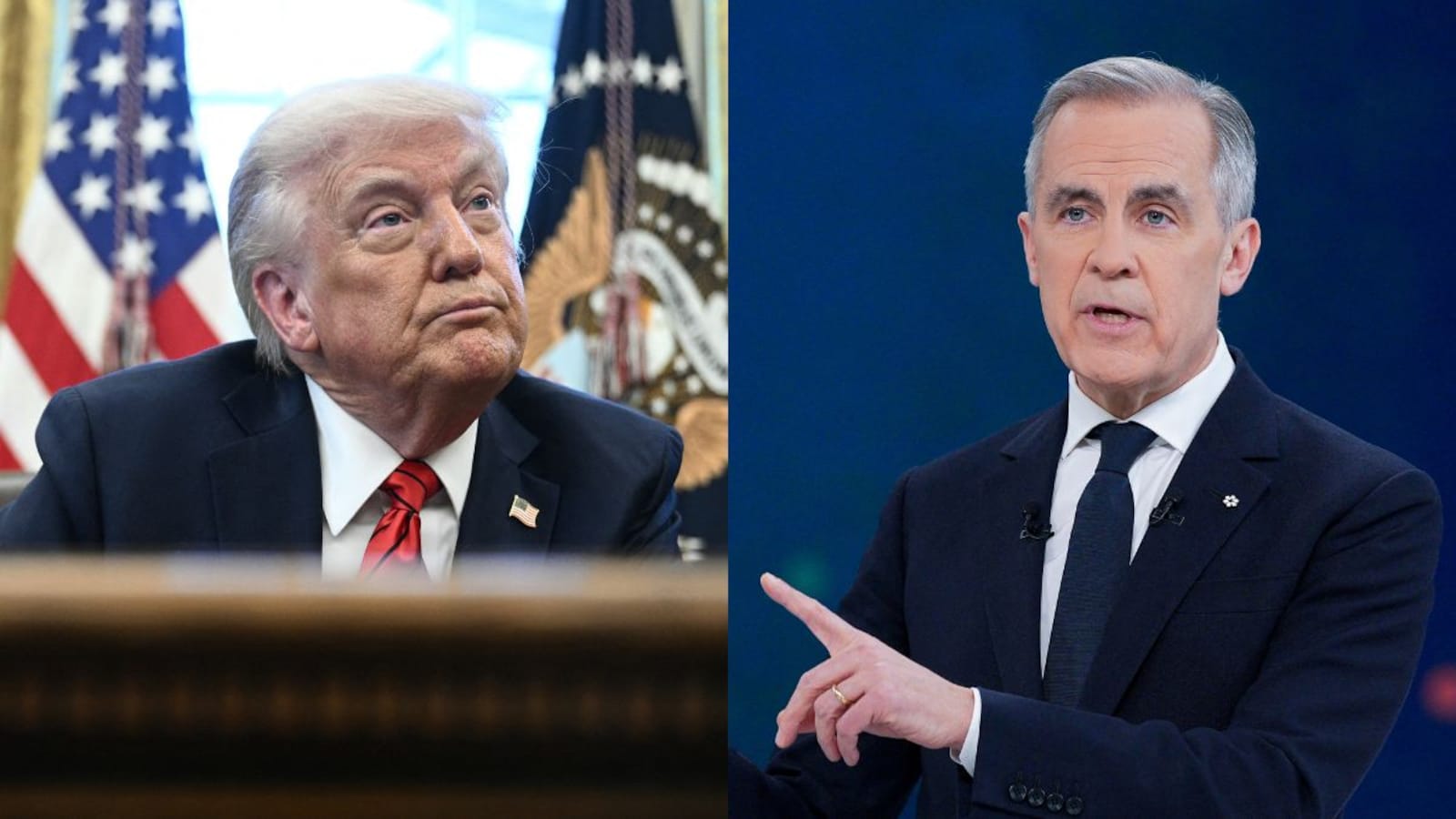
The United States and Canada tried to make a new trade agreement.
The talks ended without a deal.
President Donald Trump said Canada should be taught a lesson.
The United States then placed large taxes, called tariffs, on Canadian goods.
Canada responded with similar tariffs on American goods.
Canada also announced help for businesses and workers affected by the tariffs.
Trump said Canadian cars and car parts would face additional tariffs starting January 1.
A White House adviser said Canada would not get the earlier offer again and that a future deal would be worse.

Donald Trump said it was time to “teach Canada” a lesson after bilateral trade talks broke down.
The United States imposed 50% tariffs on $20 billion of Canadian imports on Saturday.
Canada announced matching tariffs on about $20 billion of annual U.S. imports, effective September 8.
Trump announced additional 50% tariffs on Canadian automobiles and parts starting January 1.
White House adviser Peter Navarro said Canada’s eventual U.S. trade deal would be less favorable than the rejected offer.
- Who
- U.S. President Donald Trump, Canadian officials, and White House adviser Peter Navarro.
- What
- The United States and Canada exchanged tariff measures after trade talks collapsed, with additional U.S. tariffs announced on Canadian autos and parts.
- Where
- The dispute involves the United States and Canada; the Canadian Embassy in Washington was mentioned.
- When
- Trump spoke on Wednesday; U.S. tariffs were imposed Saturday, Canadian tariffs take effect September 8, and auto tariffs begin January 1.
- Why
- Trump said Canada rejected a favorable U.S. offer, while Canada cited the U.S. refusal to extend tariff relief to medium- and heavy-duty vehicles as one reason for the disagreement.
U.S. Position
Canadian Position
Reason for the failed talks
U.S. Position
Trump said the United States had offered Canada a good deal and that the U.S. could obtain needed goods elsewhere.
Canadian Position
Canada said the U.S. refusal to extend tariff relief to medium- and heavy-duty vehicles was one reason an agreement was not reached.
Response to tariffs
U.S. Position
Trump said Canada should be taught that it could not continue acting this way and announced additional tariffs on Canadian autos and parts.
Canadian Position
Canada responded with matching tariffs on about $20 billion of U.S. imports and introduced aid for affected businesses and workers.
Future agreement
U.S. Position
Navarro predicted Canada would never receive the earlier offer again and that any future agreement would be less favorable.
Canadian Position
The article does not provide a Canadian government prediction about the terms of a future agreement.
Key facts
- U.S. tariffs
- The United States imposed 50% tariffs on $20 billion of Canadian imports.
- Canadian response
- Canada announced retaliatory tariffs on about $20 billion of annual U.S. imports.
- Effective date
- Canada’s retaliatory tariffs take effect September 8.
- Auto tariffs
- Trump announced 50% tariffs on Canadian automobiles and parts beginning January 1.
- Canadian assistance
- Canada rolled out aid for businesses and workers affected by the measures.
- Trump’s position
- Trump said the United States had offered Canada a good deal and could obtain needed goods elsewhere.
- Navarro’s prediction
- Peter Navarro said Canada’s eventual deal with the United States would be less favorable than the offer made the previous week.
Quotes
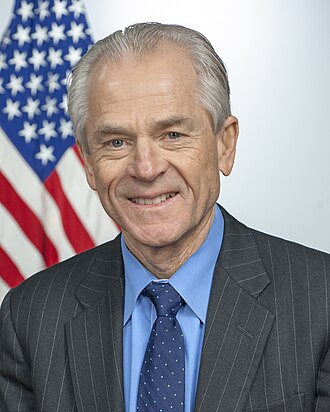
Peter Navarro
White House adviser
“It just is not going to end well for Canada and I predict that the deal you got, that you turned your nose up, you're never going to get that deal again.”
 republicworld.com
 NDTV
NDTV
“There's no way economically they should have turned it down.”
NDTV
Sources
Related news
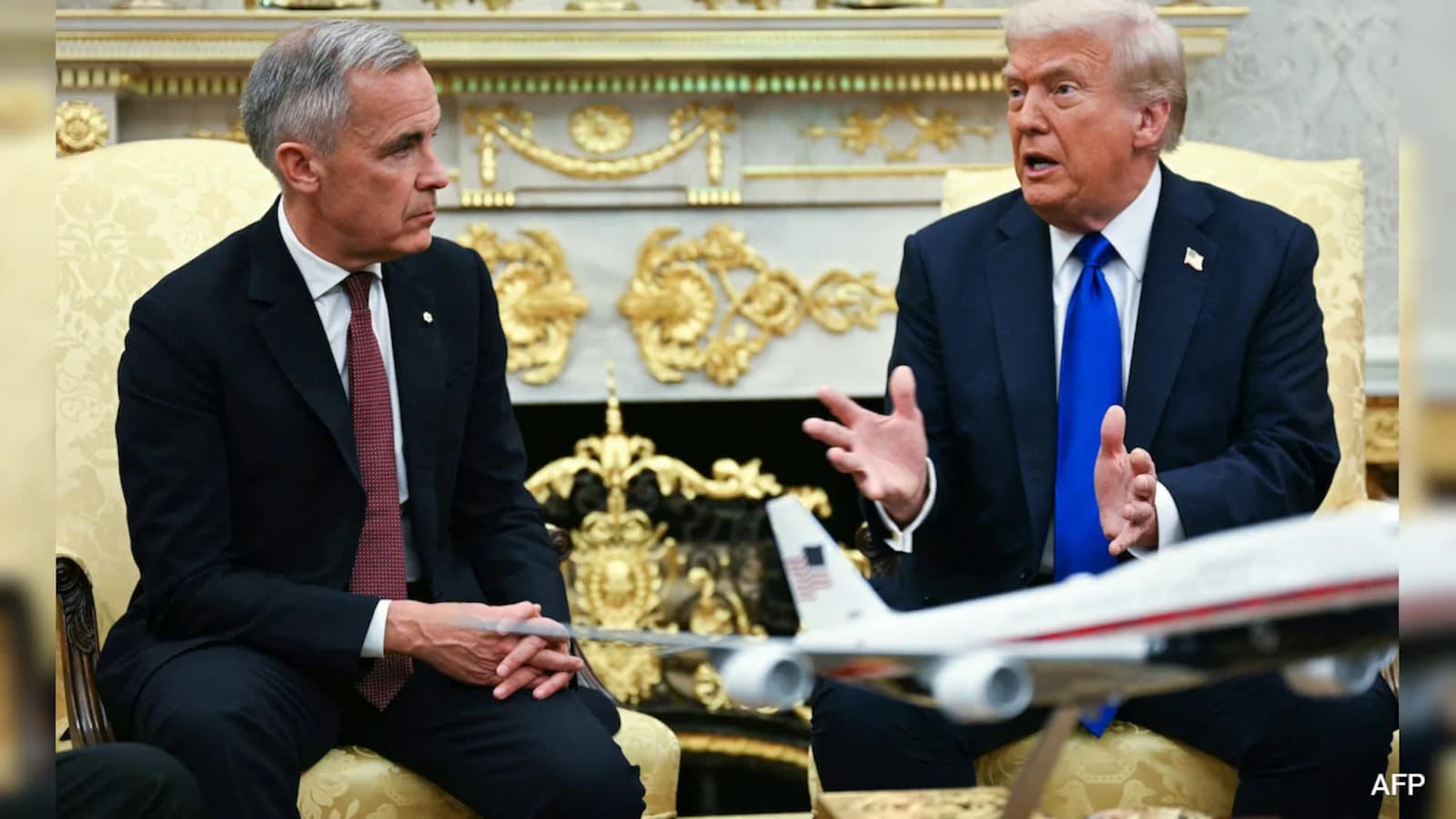
Trump, Canada Trade Tariffs Escalate After Talks Collapse

US-Canada Trade Talks Collapse as Tariffs Trigger Retaliation

US-Canada Trade Deal Collapses Over Trucks, Culture and Tariffs
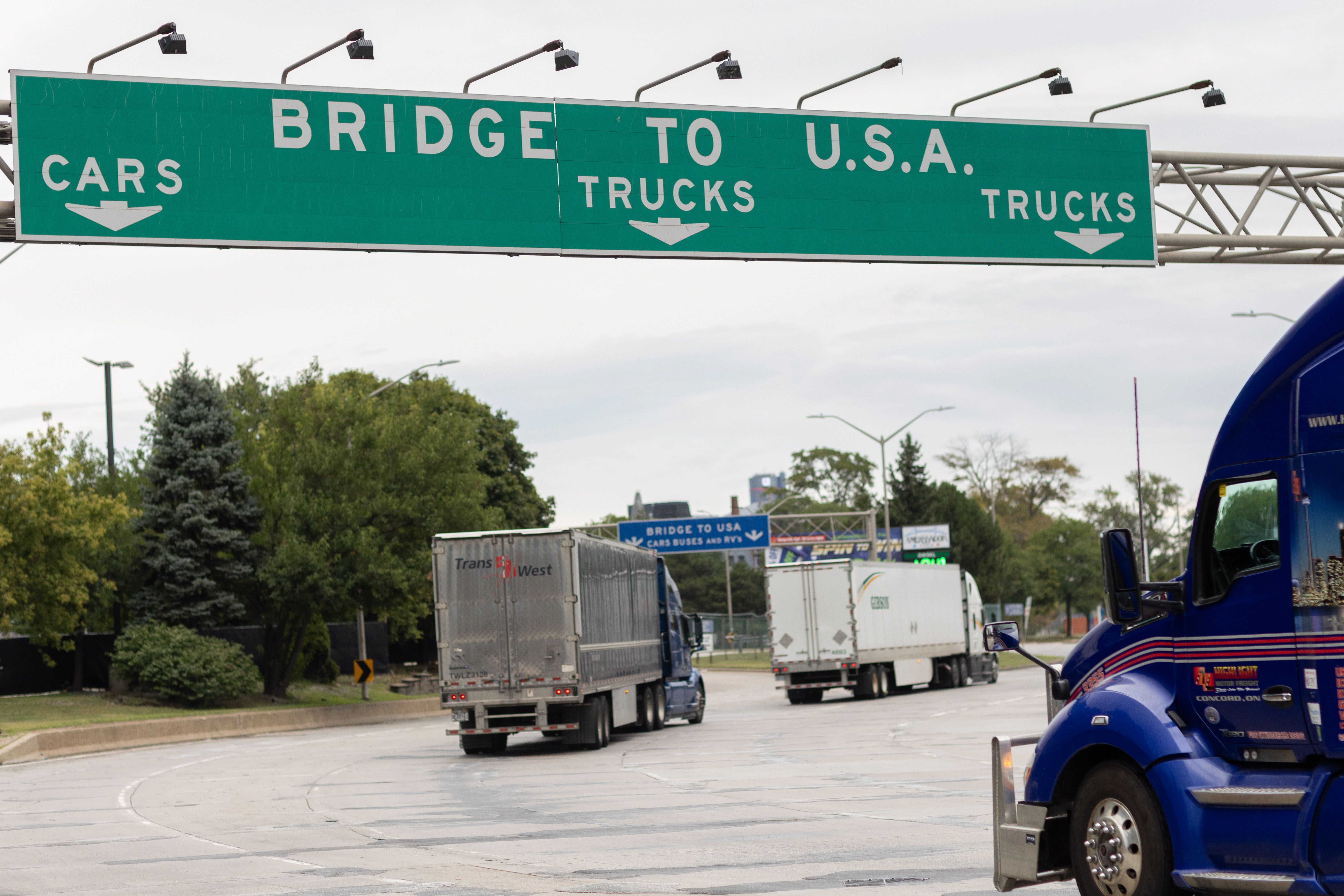
Canada Retaliates as Trade War with US Escalates
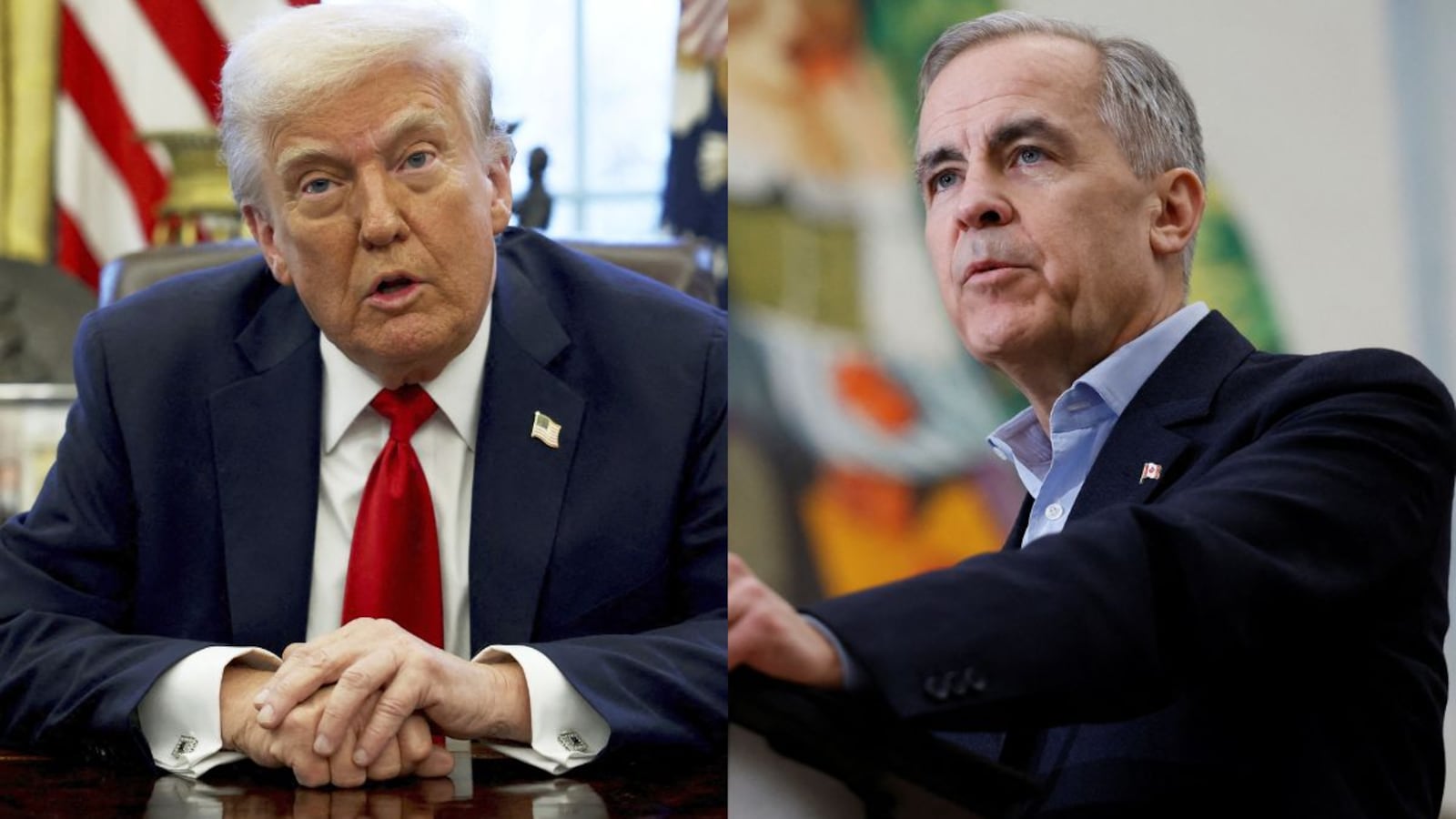
US Imposes 50% Tariffs on Canada After Talks Fail
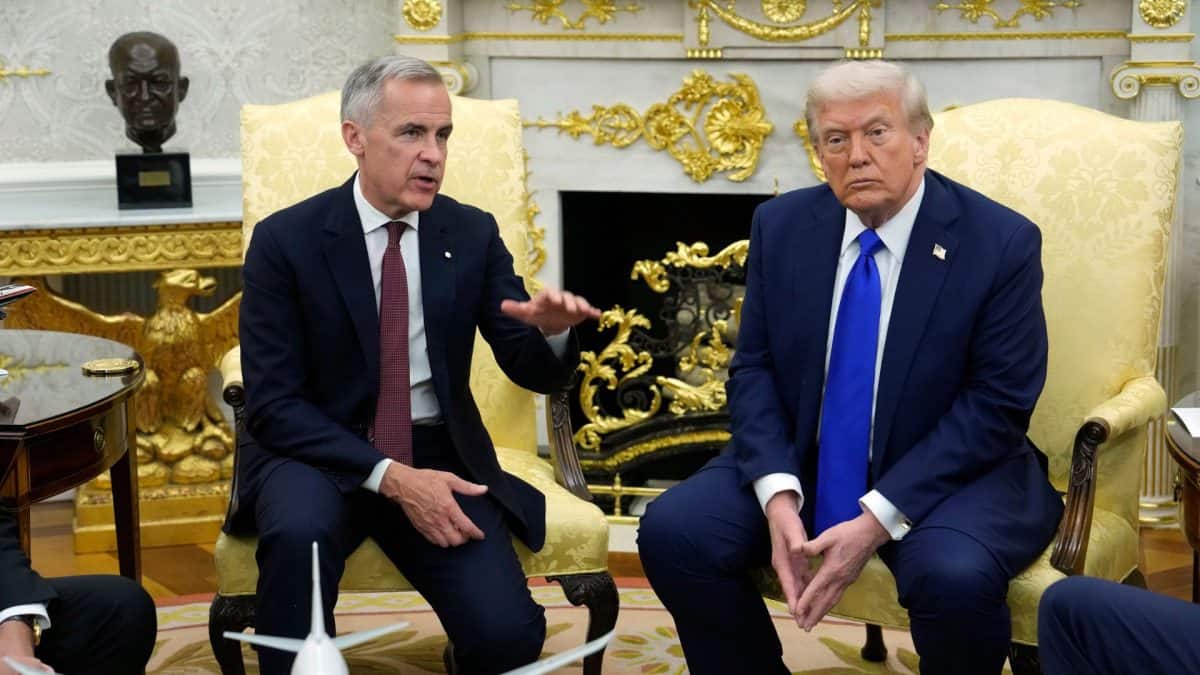
US-Canada Trade Talks Collapse as 50% Tariffs Take Effect

Report Accusing India of China Transshipment Lacks Proof
India challenges US quartz tariffs at WTO in fourth dispute

Why US Is Accusing India of a 'Great Transhipment Scam'
US Accuses India, 40+ Nations in China Tariff Evasion Network