3 weeks ago
India Faces a Future With Plenty of Work, Fewer Jobs
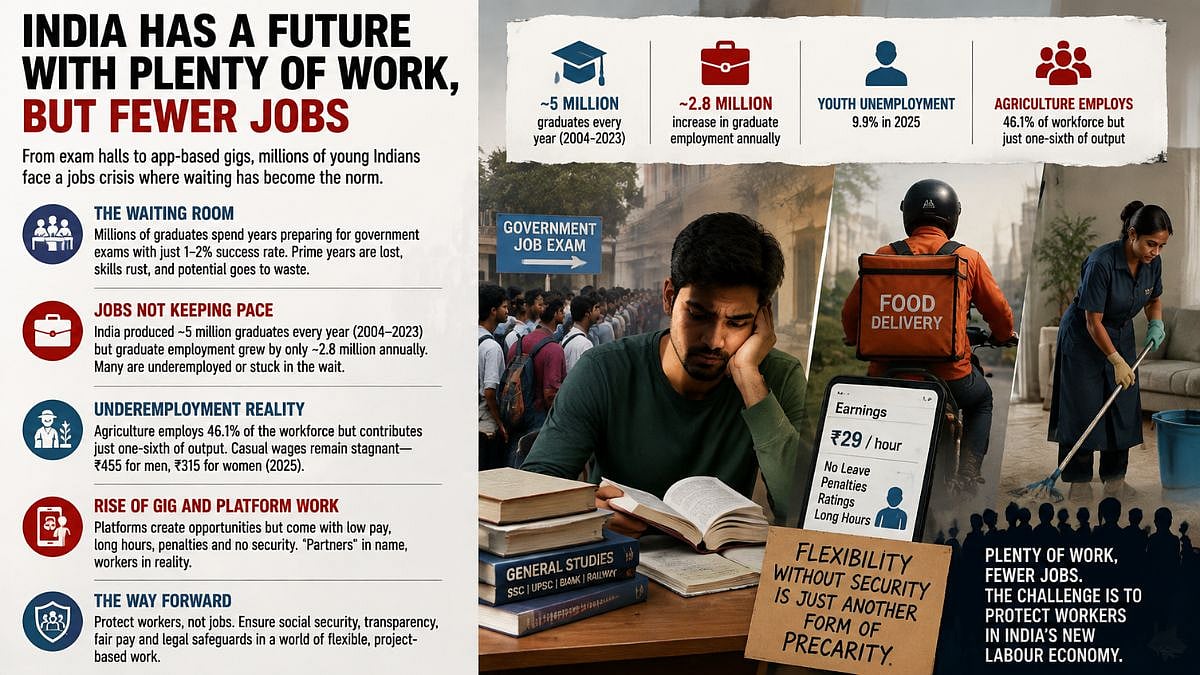
In India, there is plenty of work to do, but fewer steady jobs than before.
A steady job usually means working for one company for many years with a fixed salary.
Many young people spend years studying for government exams because these jobs pay well and feel safe, but only one or two out of every hundred people pass.
Meanwhile, private companies often do not pay young workers very much.
Some people are counted as working even if they only help on a family farm or deliver packages sometimes, so they may not have a real income.
New app-based 'gig' jobs, like booking a cleaner or a driver, are growing quickly.
These jobs are flexible, but workers say they cannot always take breaks or leave, and they get penalized through the app.
India chose not to sign a new world agreement called ILO Convention No.
193, which would give app workers more protection.
Experts say India needs to make sure flexible work is also fair, safe, and decent for everyone.

India's labour market is generating more work but fewer stable jobs, raising concerns about worker security and social protection.
Between 2004 and 2023 India produced about five million graduates yearly, but graduate employment rose by only around 2.8 million annually.
The 2025 Periodic Labour Force Survey put overall unemployment at 3.1% and youth unemployment at 9.9%, though the measure may hide underemployment.
Agriculture's employment share rose from 44.1% in 2017-18 to 46.1% in 2023-24, while male casual workers' daily earnings stayed flat at Rs 455 in 2025.
India abstained from the ILO's Convention No. 193 on decent work in the platform economy, which its worker and employer representatives reportedly supported.
- Who
- Young Indian graduates, gig and casual workers, and the Indian government; analysis by Pune-based economist Dr Ajit Ranade
- What
- India's labour market is producing more work but fewer stable jobs, marked by underemployment, stagnant wages, and the rapid growth of platform work
- Where
- India
- When
- Analysis of labour data from 2004 to 2025, including the 2025 Periodic Labour Force Survey
- Why
- Graduate output far outpaces job creation and private-sector wages have stagnated, so graduates queue for scarce government jobs while much new work is informal, low-paid, or platform-based without strong protections
Worker Protection View
Market Flexibility View
Platform and gig work
Worker Protection View
App workers face rigid leave limits, penalties, unpredictable breaks, long hours, and close supervision; platforms that control access, ratings, and deactivation should carry employer obligations such as portable social security, transparent rules, and grievance mechanisms.
Market Flexibility View
Platforms cut search costs, match customers and workers quickly, create new services, and can pay better than traditional domestic work, so the gig economy should not be obstructed or burdened with rigid, job-style regulation.
ILO Convention No. 193
Worker Protection View
Representatives of both Indian workers and employers reportedly supported the ILO's first legally binding treaty on digital platform work, and India's abstention raises concerns for its fast-growing gig workforce.
Market Flexibility View
India's government delegate abstained, reflecting official reluctance to commit to binding global standards on algorithmic transparency and worker reclassification that could limit domestic flexibility.
Protecting workers vs protecting jobs
Worker Protection View
Without an appropriate framework, flexibility for the employer becomes insecurity for the worker; social-security benefits must be portable, and workers need timely payments, grievance mechanisms, and protection against arbitrary exclusion.
Market Flexibility View
India should protect workers rather than jobs and enable technology and flexible working, since the future will bring more projects, assignments, and short-term engagements instead of conventional jobs.
Key facts
- Overall unemployment (2025)
- 3.1%
- Youth unemployment (2025)
- 9.9%
- Graduates produced annually (2004-2023)
- About 5 million
- Annual increase in graduate employment
- About 2.8 million
- Agriculture employment share
- 46.1% in 2023-24, up from 44.1% in 2017-18
- Average daily earnings of male casual workers
- Rs 455 in 2025 vs Rs 456 in 2024
- Average monthly earning of young male graduates
- Rs 19,573 in 2023, down from Rs 21,800 in 2011
- ILO Convention
- Convention No. 193 on Decent Work in the Platform Economy (India abstained)
Sources
Related news

Youth Protests Expose India's Institutional Failures, Guruswamy Says
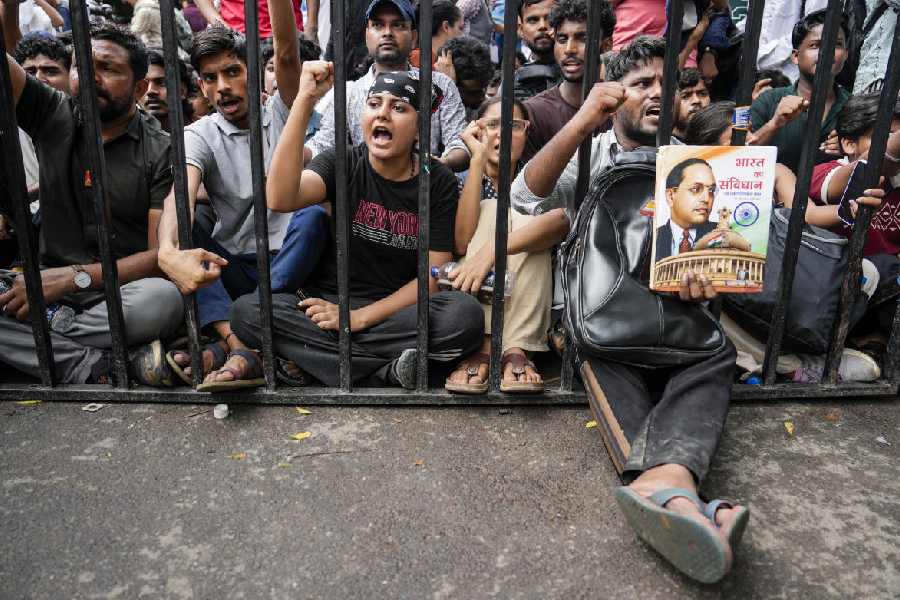
India’s Youth Protests Expose the Economic Cost of Waiting

India’s Youth NEET Crisis Exposes Limits of Unemployment Data

NITI Aayog Flags Graduate Job Mismatch as Skills Gap Widens
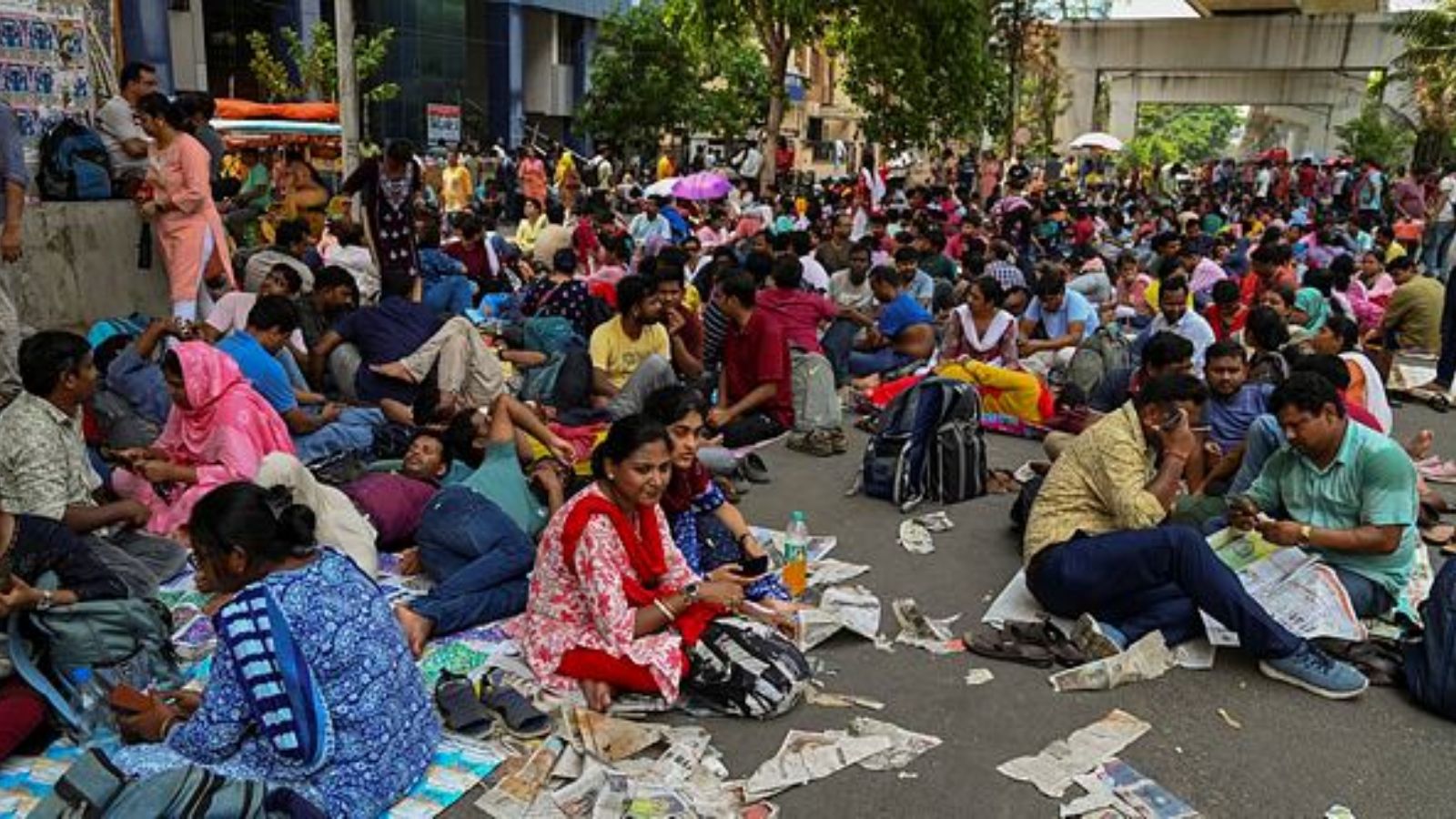
India’s NEET Youth and the Rise of Precariat Politics

Shiv Sena (UBT): stagnant job market contradicts 5-trillion economy claims
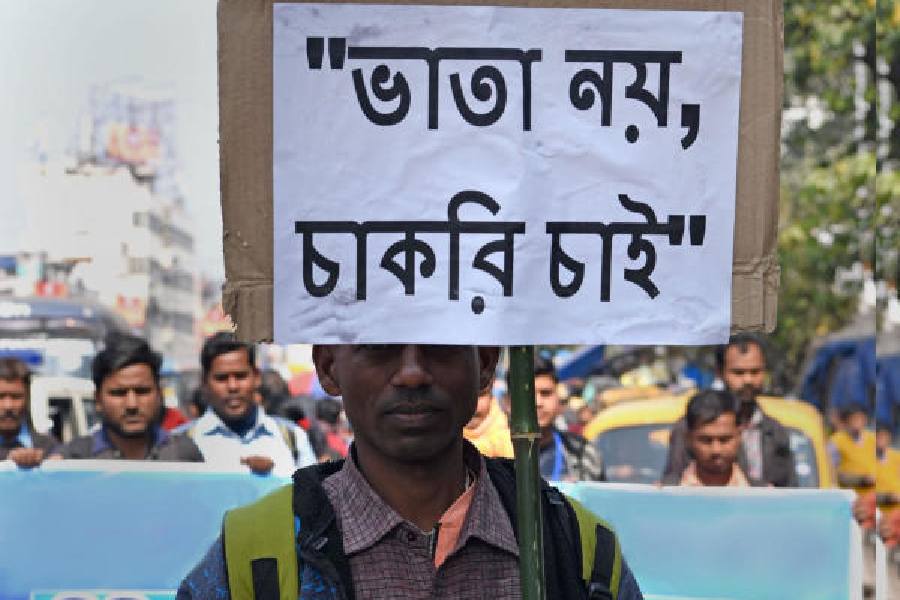
West Bengal’s Youth Employability Crisis Threatens Its Demographic Advantage
AI Data Annotation Boom Creates Low-Paying Jobs in India
India’s Minimum Wage Trails China, US and Japan on PPP

Why India Must Prioritize Rejuvenation of Its Small Rivers
India’s Gig Economy Growth Leaves Women Behind, Study Finds