1 week ago
India’s NEET Youth and the Rise of Precariat Politics
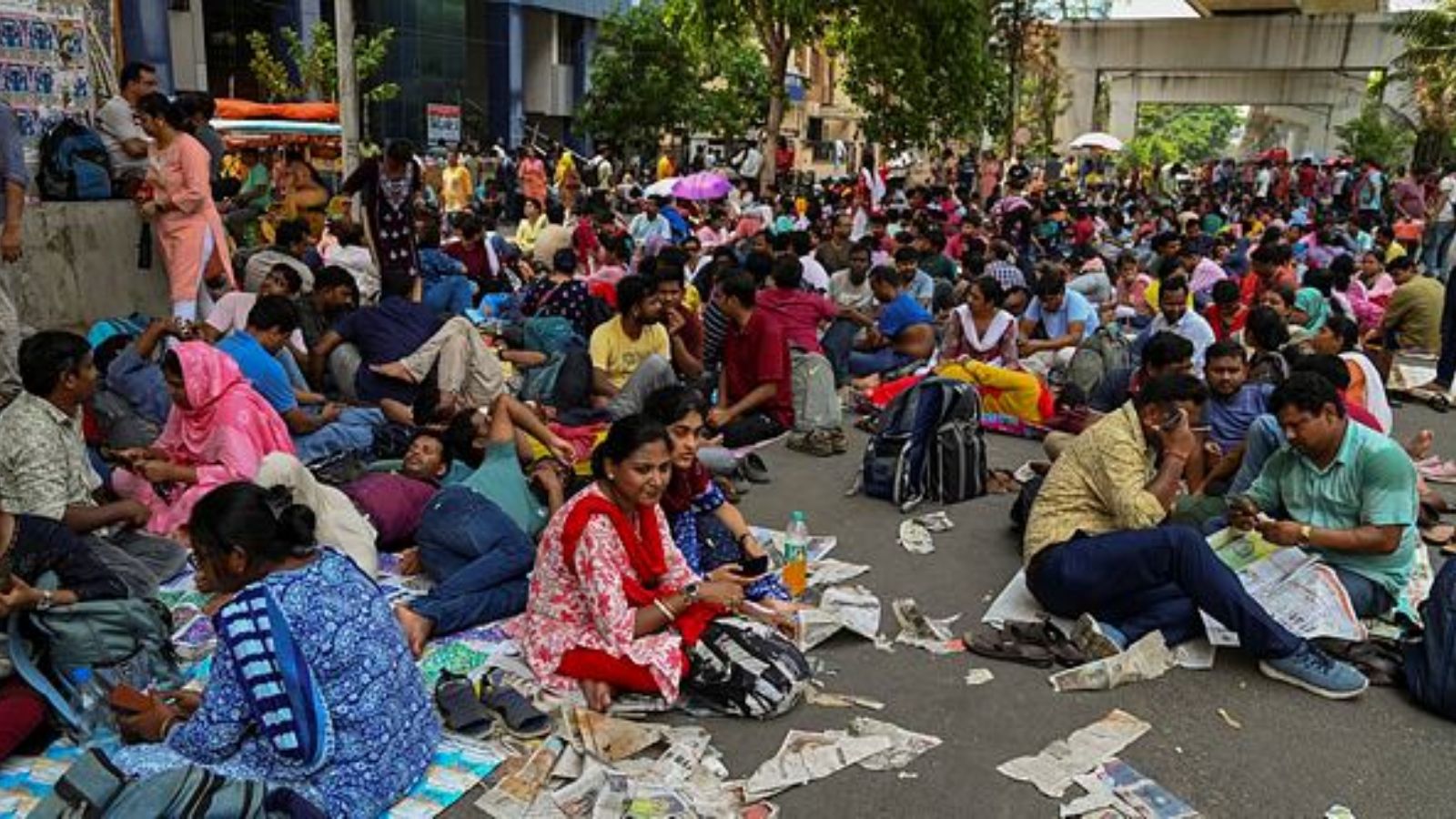
Many young people in India are not studying, working, or receiving job training.
The article says at least 103 million people aged 15 to 30 are in this situation.
Young and educated workers may also find only temporary or part-time jobs without dependable income.
Families are struggling because education, housing, food, transport, and healthcare have become more expensive.
Political leaders have noticed this frustration and are trying to speak to young people in new ways.
Narendra Modi and Mohan Bhagwat used language associated with Gen Z during recent events.
Rahul Gandhi said that unfair wealth and digital systems are making the problem worse.
The article calls these insecure workers the “precariat.”
It says their anger could reshape Indian politics through protests and demands for better public services.

At least 103 million Indians aged 15–30—about one in three—are classified as NEET, meaning they are not in education, employment, or training.
Prime Minister Narendra Modi and Rashtriya Swayamsevak Sangh chief Mohan Bhagwat used youth-focused outreach and Gen Z language in August.
Rahul Gandhi argued that young Indians face a combined crisis of pain, data-driven inequality, and concentrated wealth.
The article says educated workers increasingly face insecure gig, contractual, part-time, and piecework jobs amid redundancies and technological change.
The author argues that India’s precariat is turning economic insecurity into confrontational politics, requiring stronger public services and decentralised governance.
- Who
- India’s youth, especially the growing number of NEET young people and insecure workers, along with Narendra Modi, Mohan Bhagwat, and Rahul Gandhi.
- What
- Political leaders are increasing outreach to Gen Z as economic insecurity, unemployment, and the expansion of precarious work fuel youth frustration.
- Where
- India, including events in Mumbai, Prayagraj, New Delhi’s Jantar Mantar, and at the Indian Institute of Technology Delhi.
- When
- The political outreach described took place in August, including events on August 6, August 8, and Independence Day; the employment figures come from the 2024 India Employment Report.
- Why
- The article attributes the discontent to insecure work, weak job prospects, rising living costs, concentrated wealth, and reduced hopes for social mobility.
Government Outreach and Course Correction
Opposition and Structural Criticism
How leaders are responding
Government Outreach and Course Correction
Narendra Modi and Mohan Bhagwat presented themselves as engaging with Gen Z and used youth-oriented language, gestures, and promises involving coaching and artificial-intelligence training.
Opposition and Structural Criticism
Rahul Gandhi and the article’s authors argue that youth frustration reflects deeper economic problems rather than only a communications gap or demographic shift.
Cause of youth dissatisfaction
Government Outreach and Course Correction
The government’s stated outreach emphasizes skills, training, and educational support as ways to address young people’s future prospects.
Opposition and Structural Criticism
The opposing view points to insecure work, concentrated wealth, digital-platform power, rising living costs, and the erosion of social mobility as the central causes.
Political meaning of protests
Government Outreach and Course Correction
The article suggests the ruling National Democratic Alliance may be attempting to adjust to Gen Z after earlier misunderstandings.
Opposition and Structural Criticism
The authors interpret the Jantar Mantar agitation and the Cockroach Janta Party as signs that the precariat is developing confrontational political power and new cross-class solidarities.
Key facts
- NEET youth
- At least 103 million Indians aged 15–30, or about one in three, were classified as not in education, employment, or training.
- Employment report
- The figure is cited from the 2024 India Employment Report by the International Labour Organisation and Institute of Human Development.
- Political outreach
- Narendra Modi addressed youth at the Indian Institute of Technology Delhi and in his Independence Day speech; Mohan Bhagwat spoke to about 2,000 Gen Z and Gen Alpha attendees in Mumbai.
- Opposition message
- Rahul Gandhi described the youth crisis using the phrase “dard, data, and daulat,” or pain, data, and wealth.
- Work conditions
- The article describes growing reliance on contractual, part-time, gig-based, and piecework arrangements.
- Middle-class pressure
- The article says parents’ real wages have largely stagnated over the past decade while college costs more than doubled.
- International comparisons
- The article compares India’s precariat with China’s “tang ping” and “bai lan” trends and the United States’ “Great Resignation.”
Sources
Related news

India’s Gen Z NEET Crisis Threatens Jobs and Social Stability

Congress Says Modi Government Has Ravaged Youth Education-to-Employment Pathway
Priyanka Gandhi Flags Youth Job Crisis, Citing 40-Year High

NITI Aayog Report Highlights India’s Youth Jobs and Skills Crisis

NITI Aayog Finds 8.7 Crore Youth Outside Work, Education
India’s Youth NEET Crisis Exposes Limits of Unemployment Data
West Bengal’s Youth Employability Crisis Threatens Its Demographic Advantage

AI Data Annotation Boom Creates Low-Paying Jobs in India
India’s Minimum Wage Trails China, US and Japan on PPP

Why India Must Prioritize Rejuvenation of Its Small Rivers
India’s Gig Economy Growth Leaves Women Behind, Study Finds