3 weeks ago
Rs 60,000 crore of India's HAM highway projects delayed
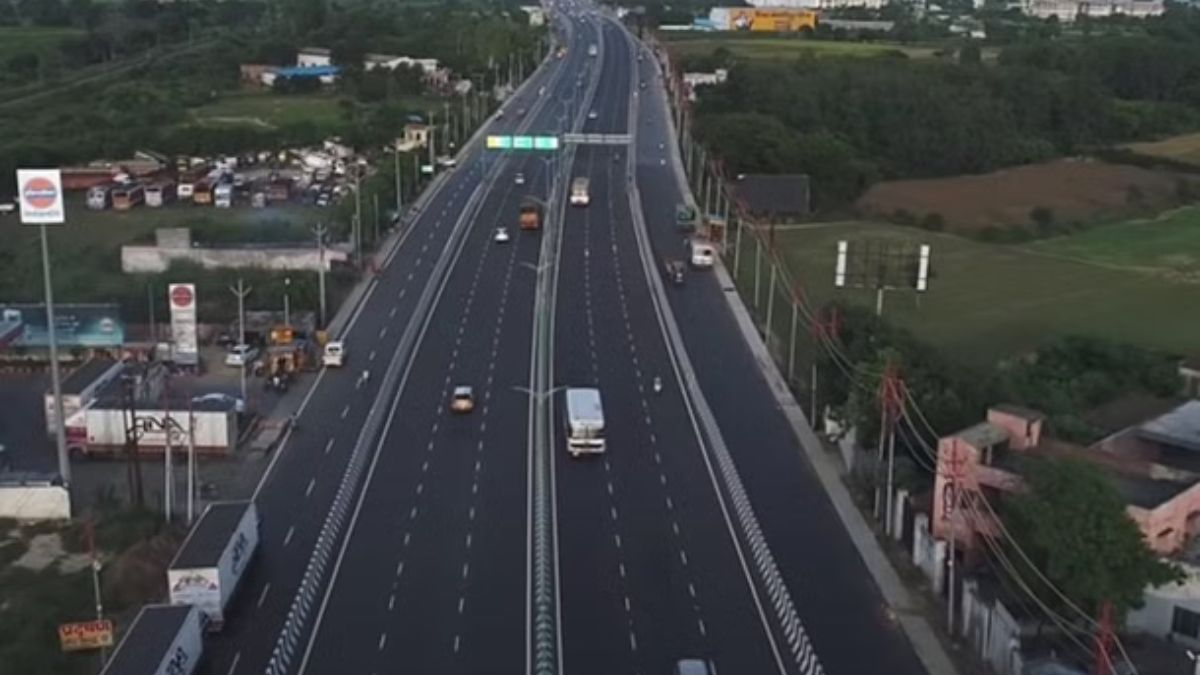
In India, the government and private companies build highways together using a system called the Hybrid Annuity Model.
The government pays 40% of the building cost, and the company pays the other 60%.
Once the road is open, the government pays the company back over 10 to 15 years, even if few cars use the road.
This was designed so companies don't lose money just because traffic is low.
But many of these projects are very behind schedule — more than Rs 60,000 crore worth of them are delayed.
The biggest problem is getting the land needed to build the road.
Another problem is that some companies promised to build roads very cheaply to win contracts, leaving little money if costs rise.
The government gives extra time when delays aren't the company's fault and adjusts payments as costs go up.
Bigger companies with roads already earning money handle these delays better than smaller ones.

Projects worth more than Rs 60,000 crore are running more than six months behind schedule, about 65% of the value of HAM projects under construction.
The share of delayed project value rose to roughly 65% as of March 2025 from around 55% in September 2024, according to CareEdge Ratings.
Land acquisition, or 'right of way' unavailability, was the biggest cause of delays, behind nearly 75% of affected projects in Crisil's analysis.
Aggressive bidding at discounts to NHAI's cost estimates and a uniform two-year construction deadline for all projects add financial and time pressure.
About 90% of delayed project length received extension approvals, with inflation-indexed payments expected to offset higher construction costs.
- Who
- The National Highways Authority of India (NHAI), the Ministry of Road Transport and Highways (MoRTH), private highway developers, and analysts at CareEdge Ratings and Crisil Ratings.
- What
- Nearly Rs 60,000 crore worth of Hybrid Annuity Model highway projects — about 65% of the value of projects under construction — are running more than six months behind schedule.
- Where
- India.
- When
- CareEdge data runs to March 2025, up from around 55% in September 2024; Crisil analysis covers figures up to March 2026.
- Why
- Land acquisition delays, slow environmental and design clearances, heavy rainfall, aggressive bidding, and a uniform two-year construction deadline.
Concerns over project execution
Built-in protections of the HAM model
Aggressive bidding
Concerns over project execution
Bidding at big discounts to NHAI's cost estimates leaves developers little cushion to absorb cost overruns and execution challenges, squeezing profits and debt servicing.
Built-in protections of the HAM model
Discount bidding reflects competition for contracts and can lower costs for the authority, with the government tightening rules on net worth and guarantees for unusually low bids.
Handling project delays
Concerns over project execution
Uniform two-year deadlines plus land and clearance delays push projects behind schedule and create elevated credit risks, especially for the ~10% of delayed projects without extensions.
Built-in protections of the HAM model
HAM's inflation indexation, time extensions for no-fault delays, and provisional operations dates limit financial damage and keep developers' credit profiles manageable.
Key facts
- Delayed project value
- Over Rs 60,000 crore (about 65% of under-construction HAM project value)
- Delays trend
- ~65% delayed as of March 2025 vs ~55% in September 2024
- CareEdge sample
- 129 HAM projects awarded 2021-2025, worth over Rs 1.40 lakh crore
- HAM launched
- 2016
- Cost split
- Government pays 40% upfront; developer funds 60%, repaid over 10-15 years
- Biggest delay cause
- Land/right-of-way unavailability, affecting nearly 75% of delayed projects (Crisil)
- Average delay length
- About 11 months (72 under-construction projects); about 10 months (50 completed projects)
- Extension approvals
- About 90% of delayed project length received extensions as of March 2026
Quotes
Maulesh Desai
Director, CareEdge Ratings
“The proportion of delayed projects has increased marginally to approximately 65% as of March 2025, compared with around 55% in September 2024.”
 financialexpress.com
Sources
Related news

MoRTH Tightens DPR Consultant Ratings Amid Delayed Highway Construction
Suchitra-Medchal Highway Works Delayed by Two More Years
MoRTH Highway Awards Expected to Rebound in FY27

Delhi Government Sets Strict Timelines for Key Highway Projects

Odisha Approves Rs 54,000 Crore Water Infrastructure Projects
National Highway Toll Growth Set to Recover in FY28

ED Searches 14 Premises Over Alleged NHAI Toll Fraud

Chittoor Orders Coordinated Action to Reduce Fatal Road Accidents
Ujjain–Garoth Highway Sinks Again, 500-Metre Stretch To Rebuild