6 days ago
Ex-Air Marshal Says Pakistan Hunted India’s S-400 Systems
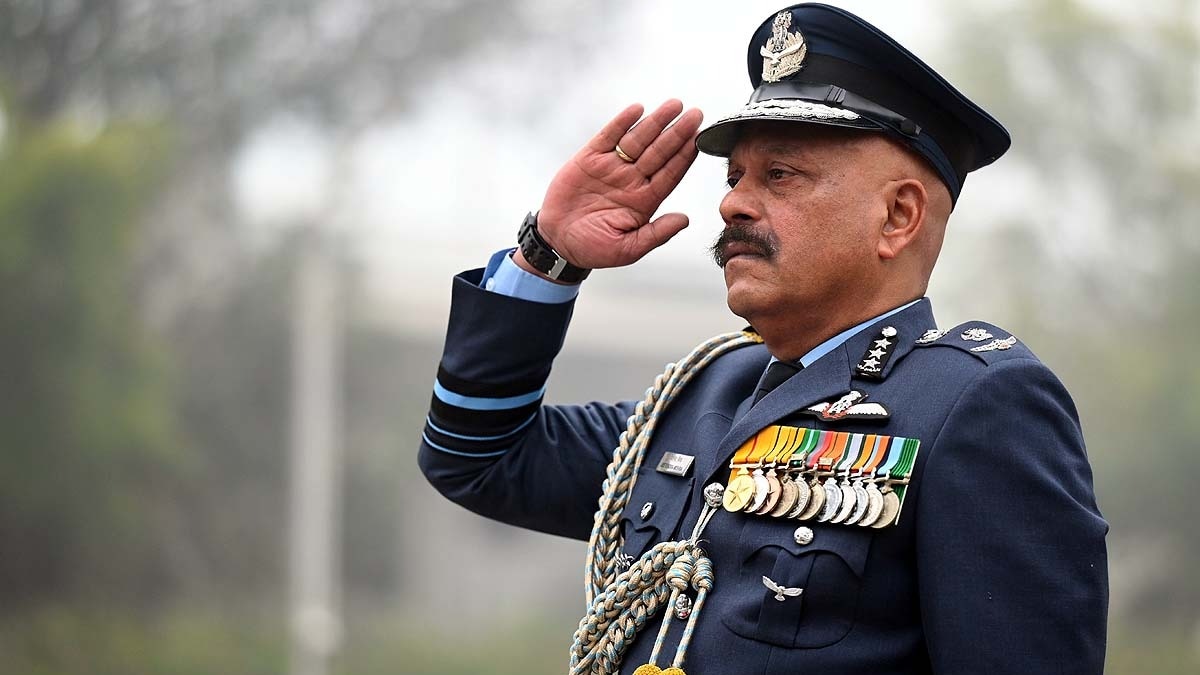
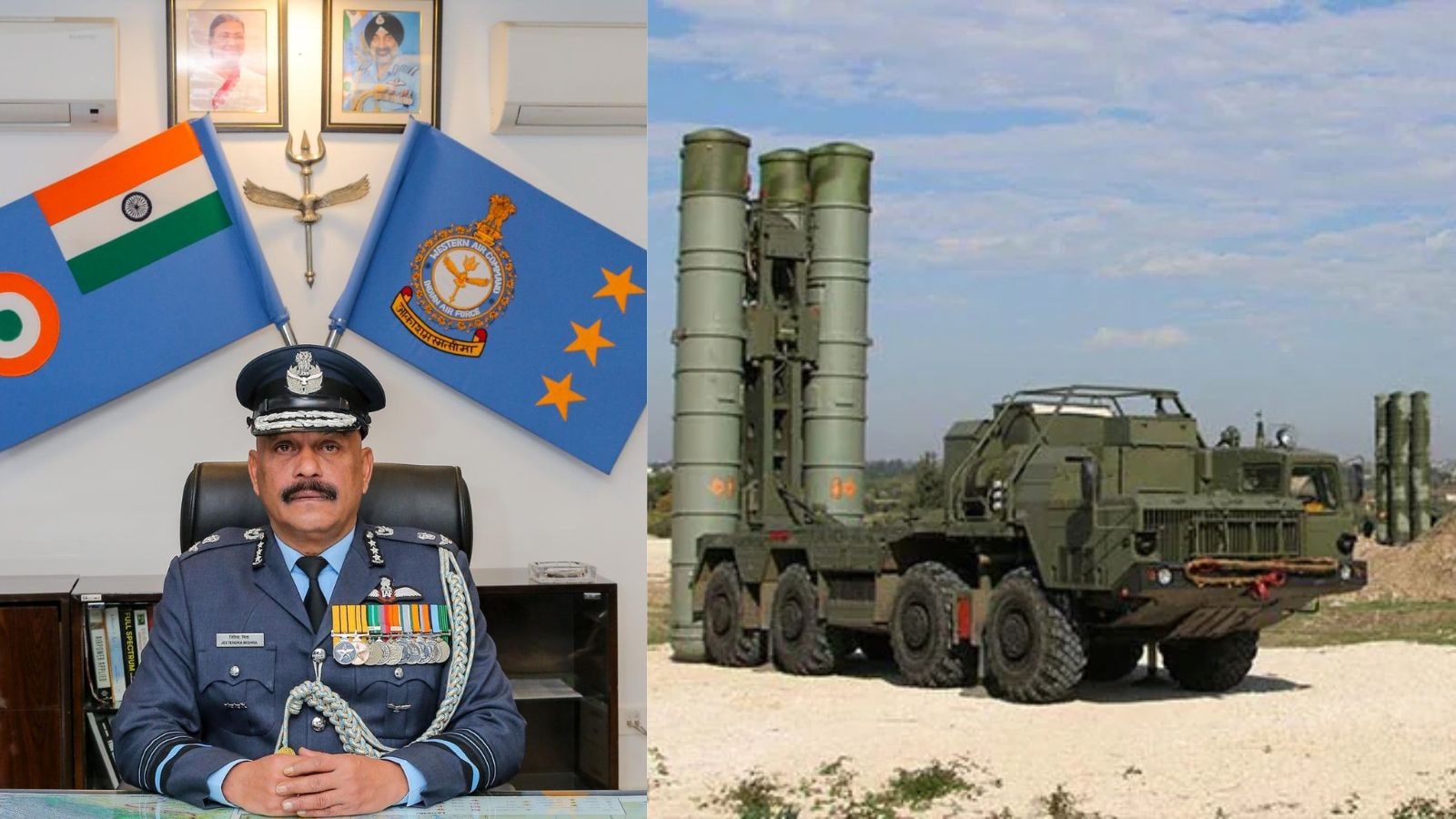
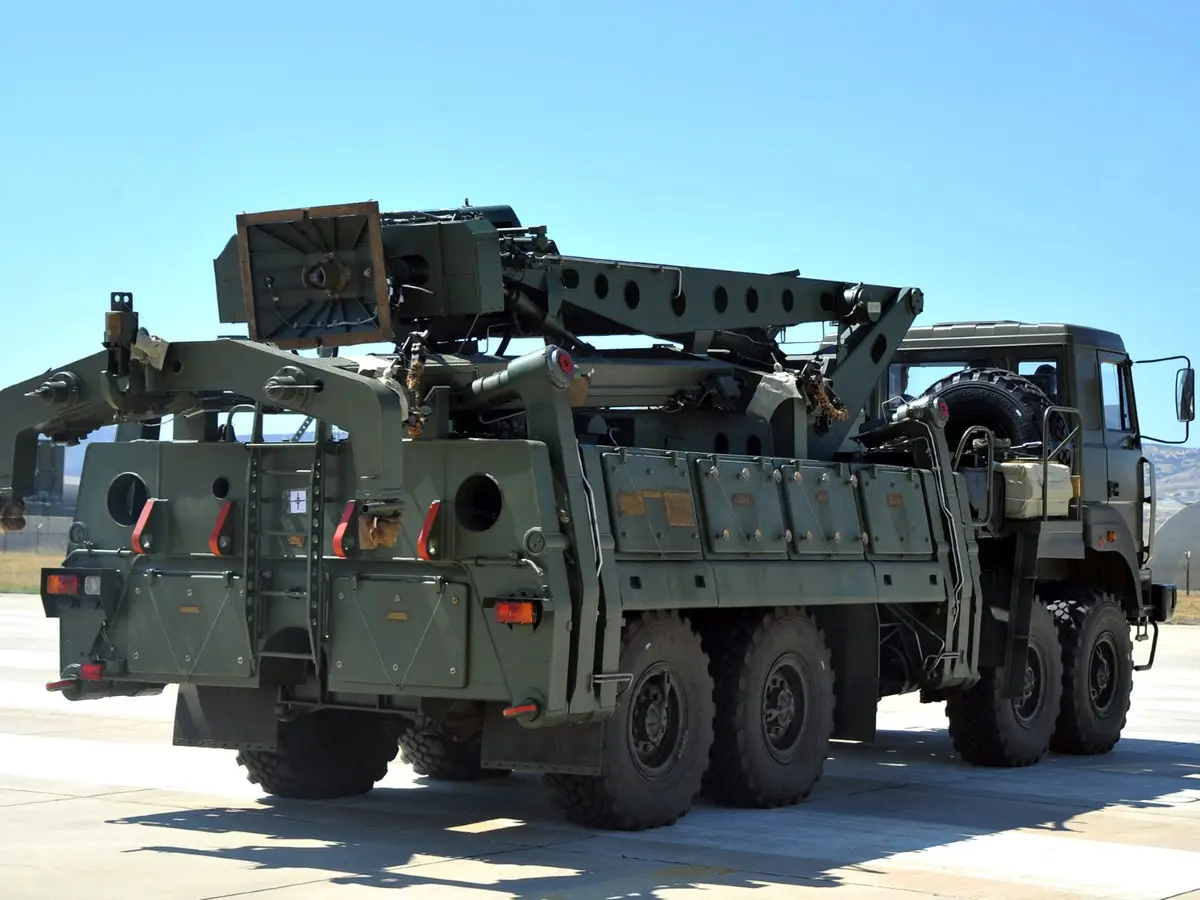
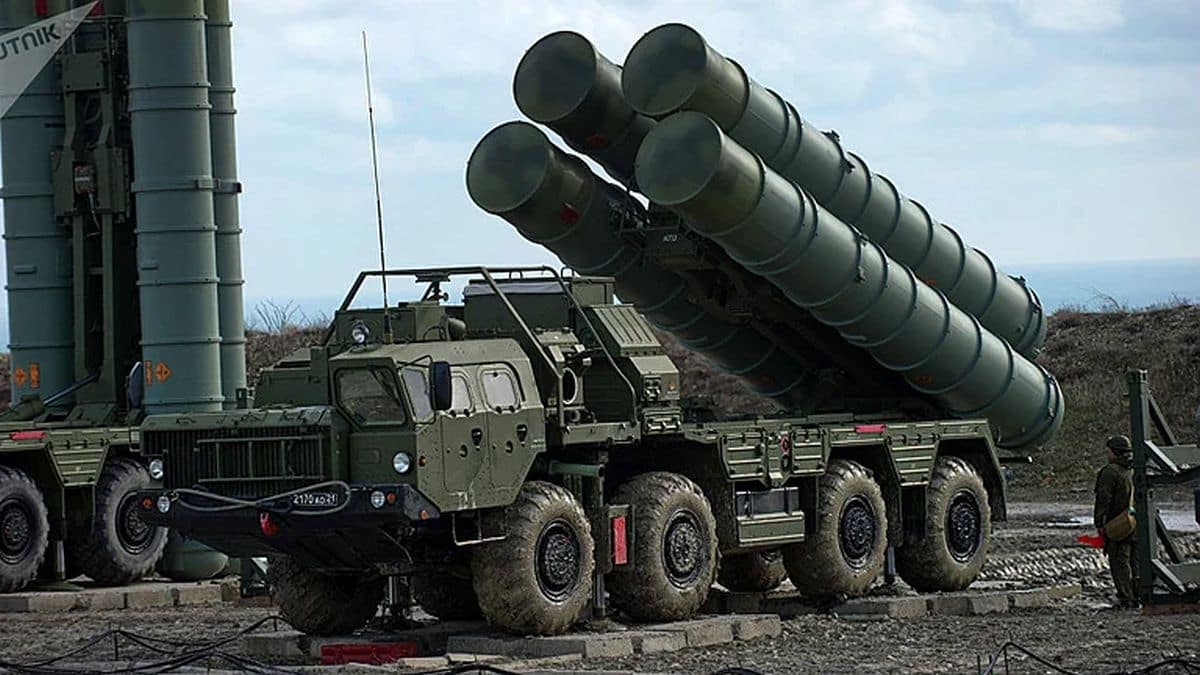
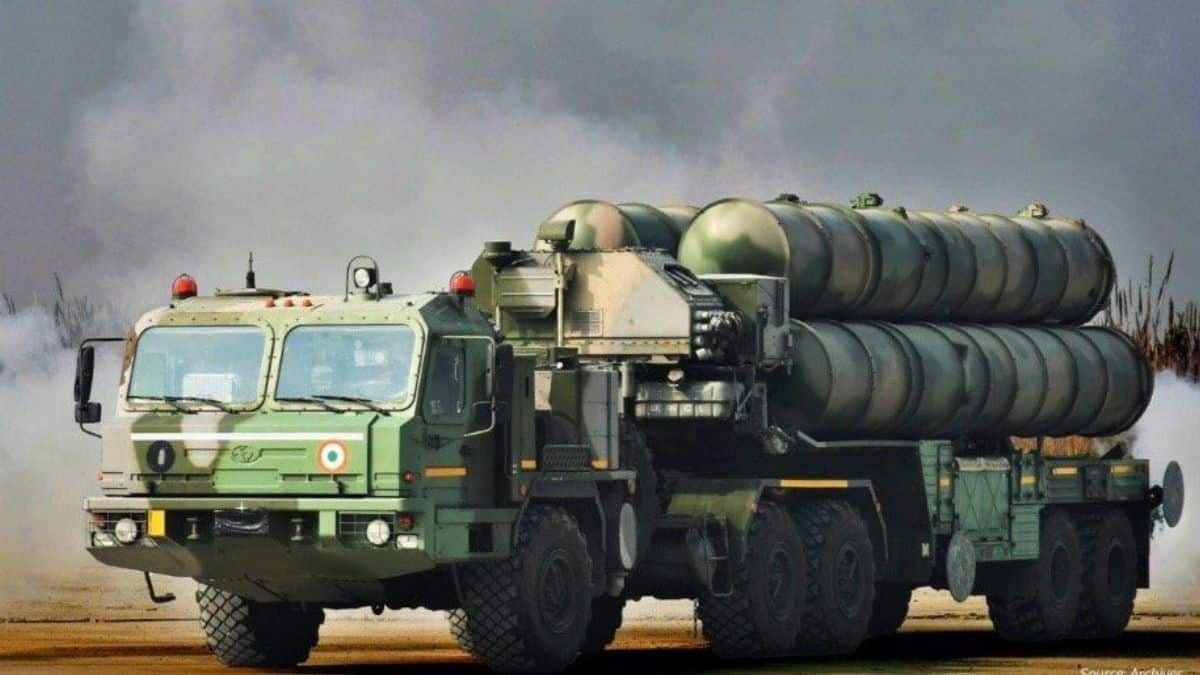
Former Indian Air Marshal Jeetendra Mishra described how India used S-400 air-defence systems during Operation Sindoor.
He said Pakistan tried to discover where the systems were placed.
According to Mishra, Pakistan used spies, sleeper cells and satellite support from other countries.
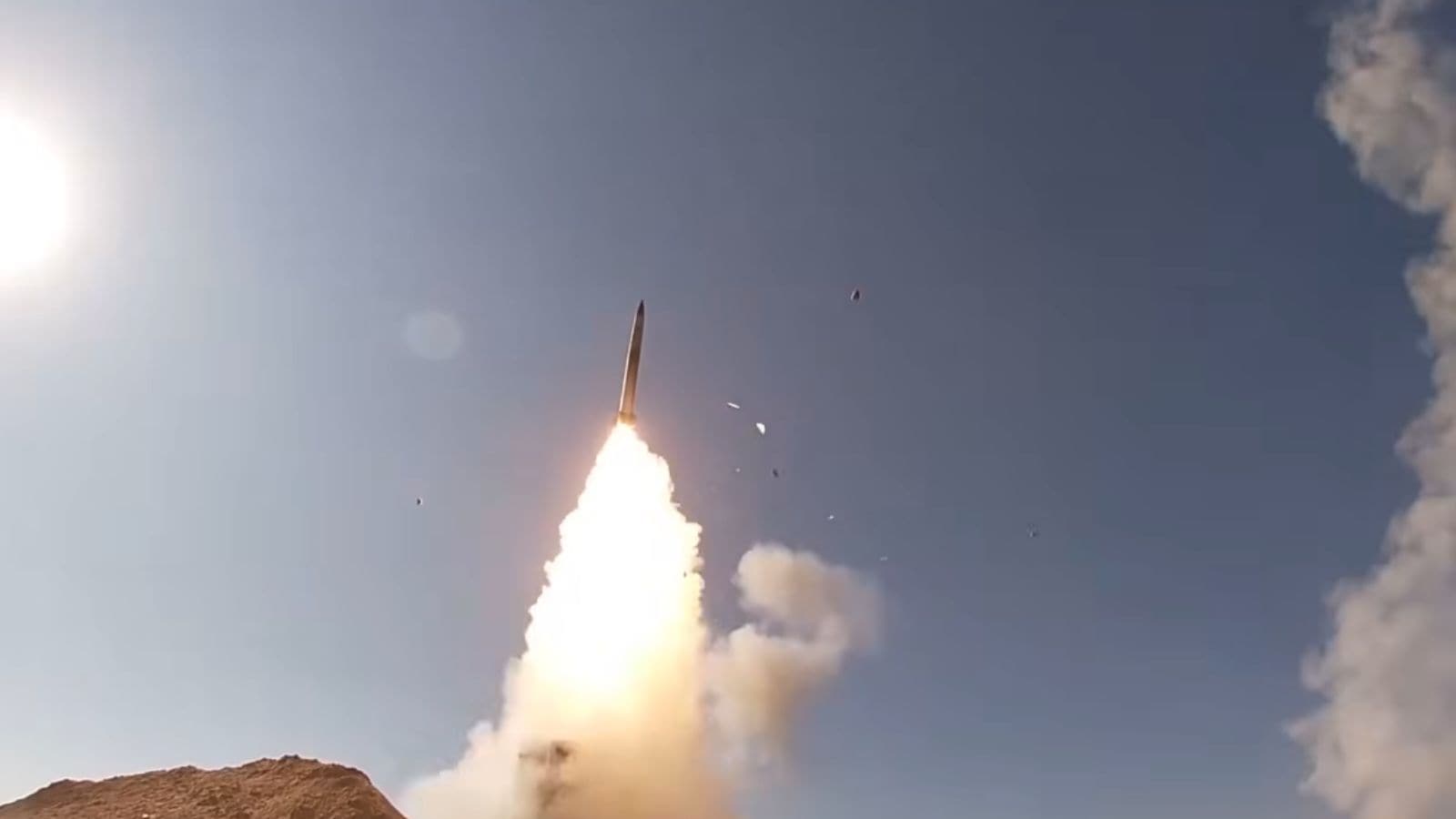
He said the S-400 kept Pakistani aircraft far away from India’s border.
He also said one S-400 hit an airborne target from 314 kilometres away.
Mishra called this the longest surface-to-air kill in history.
These claims were presented in an interview and were not independently confirmed in the reports.
He said Indian forces were told to attack terrorists and their handlers while protecting civilians.

Former Air Marshal Jeetendra Mishra said Pakistan used spies, sleeper cells and satellite assistance to locate India’s S-400 systems during Operation Sindoor.
Mishra said the S-400 kept Pakistani aircraft at least 200 kilometres from India’s border; one report instead says 200 metres.
He claimed an S-400 intercepted an airborne target at 314 kilometres, describing it as the longest surface-to-air kill in history.
Mishra said Indian forces had broad operational freedom but were instructed to avoid civilian casualties and target terrorists and their handlers.
India and Russia signed a $5.43 billion deal for five S-400 systems in 2018, while Mishra also praised the BrahMos missile.
- Who
- Former Air Marshal Jeetendra Mishra, who led the Indian Air Force’s Western Air Command during Operation Sindoor, made the claims. Lieutenant General Rahul R. Singh separately alleged that China provided Pakistan with real-time intelligence.
- What
- Mishra said Pakistan tried to locate India’s S-400 systems and that the systems intercepted Pakistani aircraft during Operation Sindoor.
- Where
- The reported hostilities involved India and Pakistan. Mishra said an S-400 interception occurred at 314 kilometres, while Indian officials described another interception as involving a target about 300 kilometres inside Pakistan.
- When
- Operation Sindoor was conducted on the night of May 7-8, 2025; India and Russia signed the S-400 acquisition agreement in 2018.
- Why
- The reports say India launched Operation Sindoor after the Pahalgam terror attack. Mishra said Pakistan viewed the S-400 as its biggest threat during the operation.
Mishra’s Account
Reported Qualifications
Pakistan’s efforts to locate S-400 systems
Mishra’s Account
Mishra said Pakistan activated spies and sleeper cells inside India and received satellite assistance from other countries to locate the systems.
Reported Qualifications
The reports do not identify the countries providing satellite assistance or independently confirm the alleged espionage activity.
S-400 battlefield performance
Mishra’s Account
Mishra said Pakistani aircraft were repeatedly intercepted and that one target was struck at 314 kilometres, which he called the longest surface-to-air kill in history.
Reported Qualifications
The 314-kilometre engagement and the historical record claim are attributed to Mishra; the reports provide no independent confirmation.
Foreign intelligence support
Mishra’s Account
Lieutenant General Rahul R. Singh reportedly said China supplied Pakistan with real-time information about important Indian military assets.
Reported Qualifications
Mishra referred only to satellite assistance from unnamed countries, so the reports do not establish that China provided the specific assistance he described.
Key facts
- Operation Sindoor
- A series of Indian precision strikes conducted on May 7-8, 2025, according to the reports.
- Reported trigger
- The Pahalgam terror attack, which the reports say killed 25 Indian tourists.
- S-400 designation
- India refers to the Russian-developed system as the “Sudarshan Chakra.”
- Reported interception
- Mishra said an S-400 hit an airborne target at 314 kilometres.
- Reported approach limit
- Most reports say Pakistani aircraft could not approach within 200 kilometres of India’s border; one says 200 metres.
- S-400 contract
- India and Russia signed a $5.43 billion agreement for five systems in 2018.
- Civilian protection
- Mishra said Indian forces were instructed to avoid collateral damage and target terrorists and their handlers.
- Reported deployment
- The reports say three systems had been delivered and integrated, while one report says a fourth squadron arrived in June 2026.
Quotes
Air Marshal Jeetendra Mishra
Indian air marshal interviewed by ANI
“Every time they (Pakistan) got airborne, they were shot by an S-400. The S-400 was the biggest threat as far as they were concerned. They also activated spies and sleeper cells within India to find out where the S-400s were located,”
 NDTV
NDTV
 freepressjournal.in
 businesstoday.in
 firstpost.com
“It goes up to 14-15 km up; it accelerates to supersonic speed; it is difficult to intercept it. When it is coming down, it accelerates to Mach 3 speed, impossible to intercept”
 wionews.com
Sources
Pakistan Deployed Spies In "Desperate" Bid To Find S-400s, Says Air Marshal

'Pakistan Deployed Spies, Sleeper Cells To Locate India’s S-400': Ex-Air Marshal
Pakistan activated spies, sleeper cells to hunt for India’s S-400 in Operation Sindoor: Former Air Marshal Jitendra Mishra
'Biggest threat...': Ex Air Marshal says Pak activated spies to track S 400 location during Op Sindoor
Pakistan deployed spies in 'desperate' bid to locate S-400s during Op Sindoor: Air Marshal Mishra
Related news
India Weighs Five More Russian S-400 Squadrons After Operation Sindoor
Russia Submits Proposal for Five More S-400 Squadrons
Ex-CDS Says Indian Drone Accidentally Struck Pakistan’s Kirana Hills
Ex-CDS Says Munition May Have Hit Kirana Hills
Ex-CDS Chauhan: India delayed Pakistan's ceasefire request during Operation Sindoor

Former CDS Details Operation Sindoor Ceasefire and Pakistan Gaps

India’s Solar Module Glut Threatens Factories With Low Utilisation
Modi-Xi Signals May Help Reset India-China Ties

India’s Fourth BRICS Chair Faces a Much Larger Summit

Nepal Families Seek Missing Loved Ones After Deadly Flash Floods
Putin Faces Western Isolation While Russia Builds Non-Western Ties