2 hrs ago
How Scientists Are Copying Insect Wings for Flight
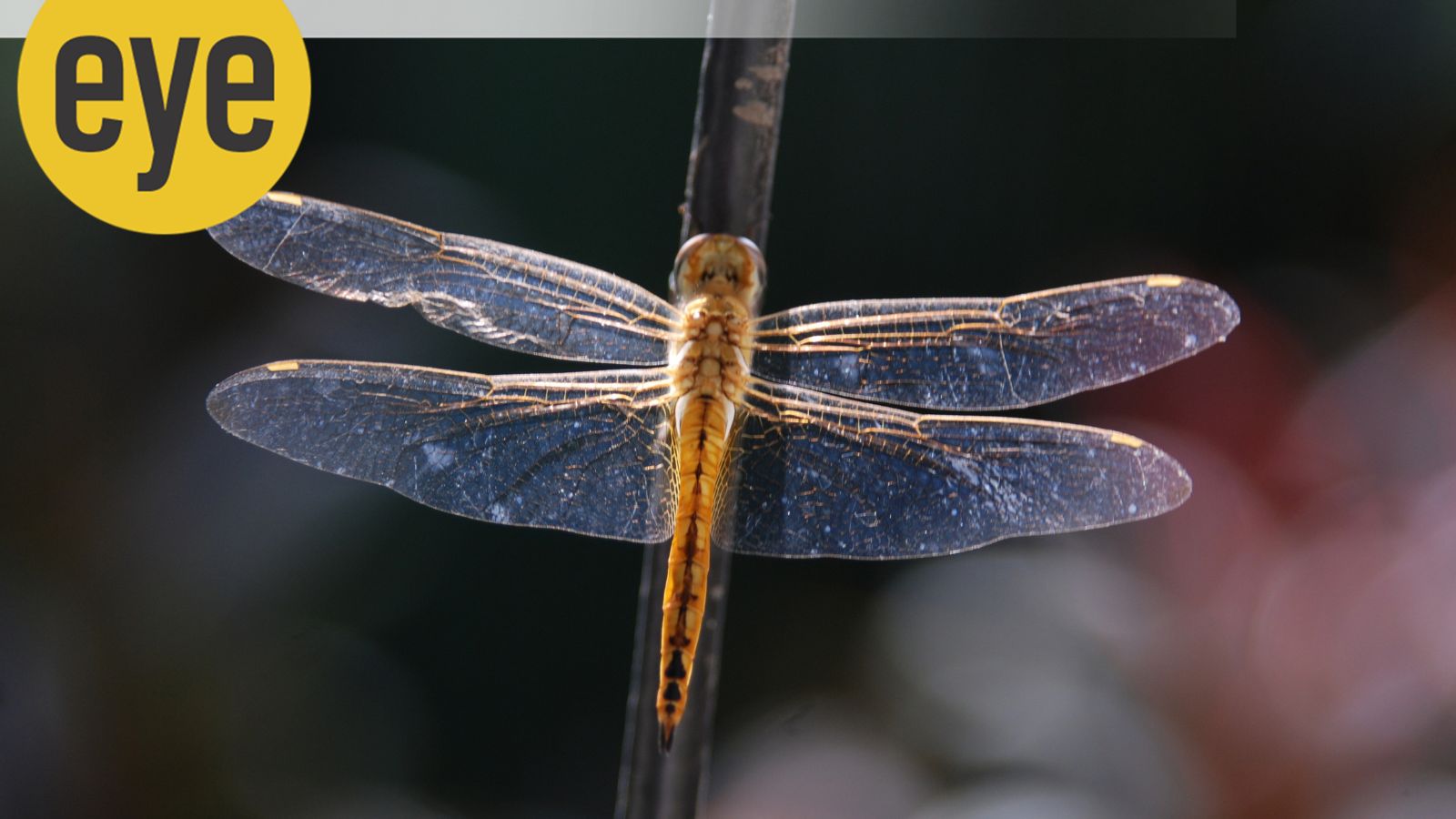
For a long time, scientists did not understand how insects could fly.
Insects seemed too heavy for the usual rules of flight.
Slow-motion cameras and large models helped reveal their secret.
Insect wings bend, twist, and make swirling pockets of air that push the insect upward.
These wings can create lift during both the upward and downward parts of a wingbeat.
Tiny insects can clap and fling their wings to make extra air vortices.
Some insects beat their wings extremely quickly by vibrating their whole bodies.
Insects also warm up their flight muscles before flying.
Engineers are studying these natural designs to build better flying machines with flexible wings.

Scientists discovered that insect wings create lift through flexible movements and swirling air vortices.
Insect wings are made from layered chitin, veins, and structural proteins, allowing strength and flexibility.
Some insects use direct muscles, while others vibrate their thoraxes to achieve extremely rapid wingbeats.
Flexible wings generate lift and thrust during both upward and downward strokes.
Researchers are designing flight technology with flexible materials inspired by insect wings rather than stiff metal.
- Who
- Scientists studying insect flight and engineers developing aircraft designs.
- What
- Researchers are studying how insect wings produce lift, thrust, hovering, and rapid movement.
- Where
- When
- The article says scientists are now trying to emulate insect wings.
- Why
- To understand insect flight and develop flying technology using flexible materials instead of stiff metal.
Key facts
- Wing material
- Insect wings have two layers of chitin called cuticle, reinforced by veins and structural proteins.
- Wing flexibility
- Some insect wings can twist about their axis by as much as 45 degrees.
- Fastest wingbeats
- Mosquitoes can beat their wings at more than 1,000 beats per second.
- Flight muscle share
- Flight muscles may account for 10% to 30% of an insect’s weight.
- Lift mechanism
- Leading-edge vortices help insects generate lift and maneuver in the air.
- Small-insect technique
- Very small insects may use the fling-and-clap method to create vortices and take off vertically.
- Engineering inspiration
- Researchers are attempting to copy insect wings using flexible materials rather than stiff metal.
Sources
Related news
How Birds Fly: The Science Behind Wings, Feathers and Flight

IIT Madras Develops Bird-Inspired Morphing Wings to Prevent Stalls

Scientists Reconstruct Chirps Of Jurassic Forest Insect Soundscape
Why Dragonflies Are Remarkable Hunters With Nearly 360-Degree Vision

17-Year-Old Goa Student Documents Insects, Dreams Of Conservation
Indian Flying Fox: Unique Fruit-Eating Bat

El Nino Matches Record Intensity, Bringing Weather Disruptions Worldwide

Supersized El Niño Could Become Strongest Ever, UN Warns
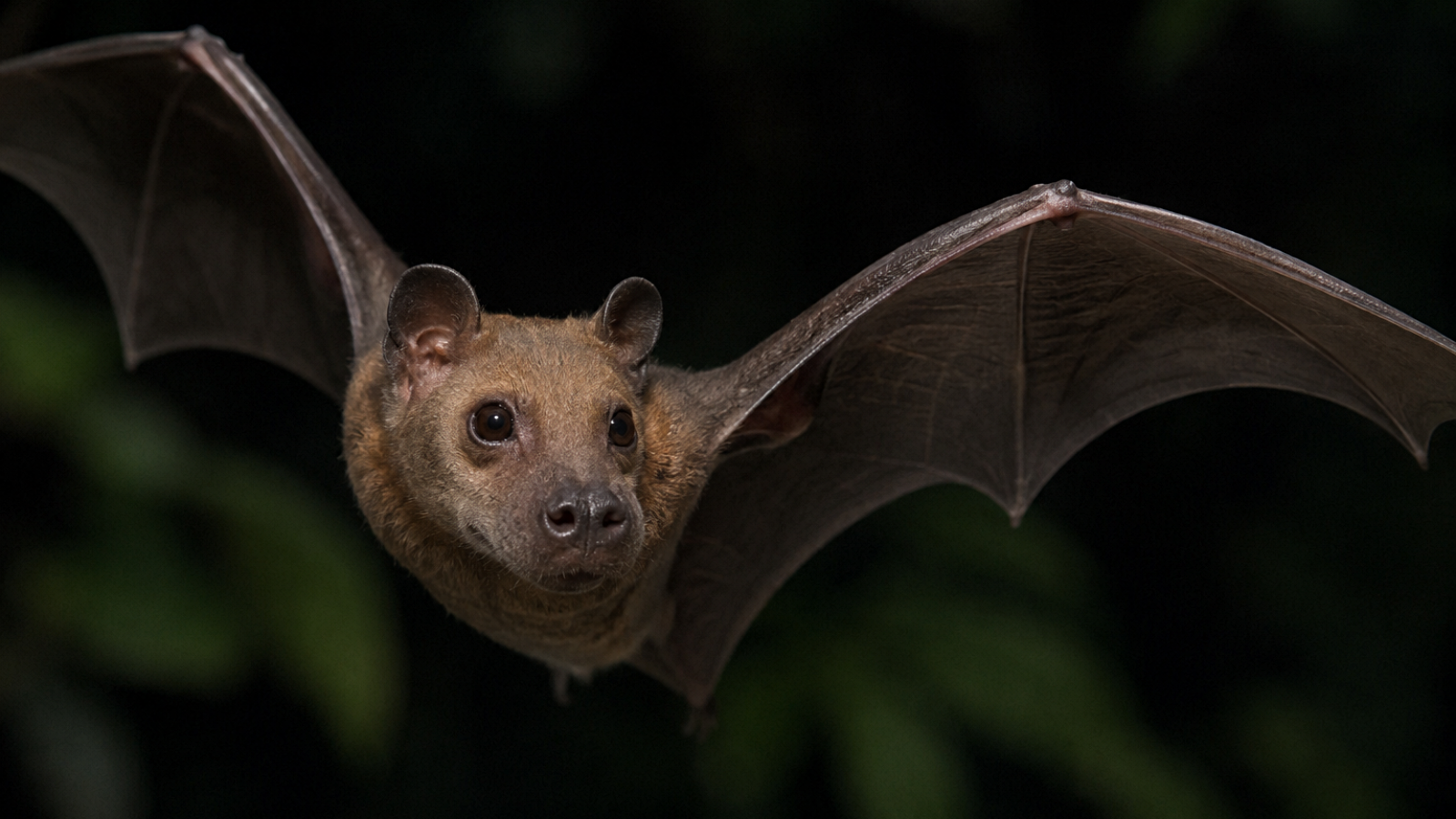
Dog-Faced Bats Combine Canine Looks With Nighttime Flight

UN Warns Strong El Niño Could Push Millions into Hunger