2 hrs ago
How Birds Fly: The Science Behind Wings, Feathers and Flight
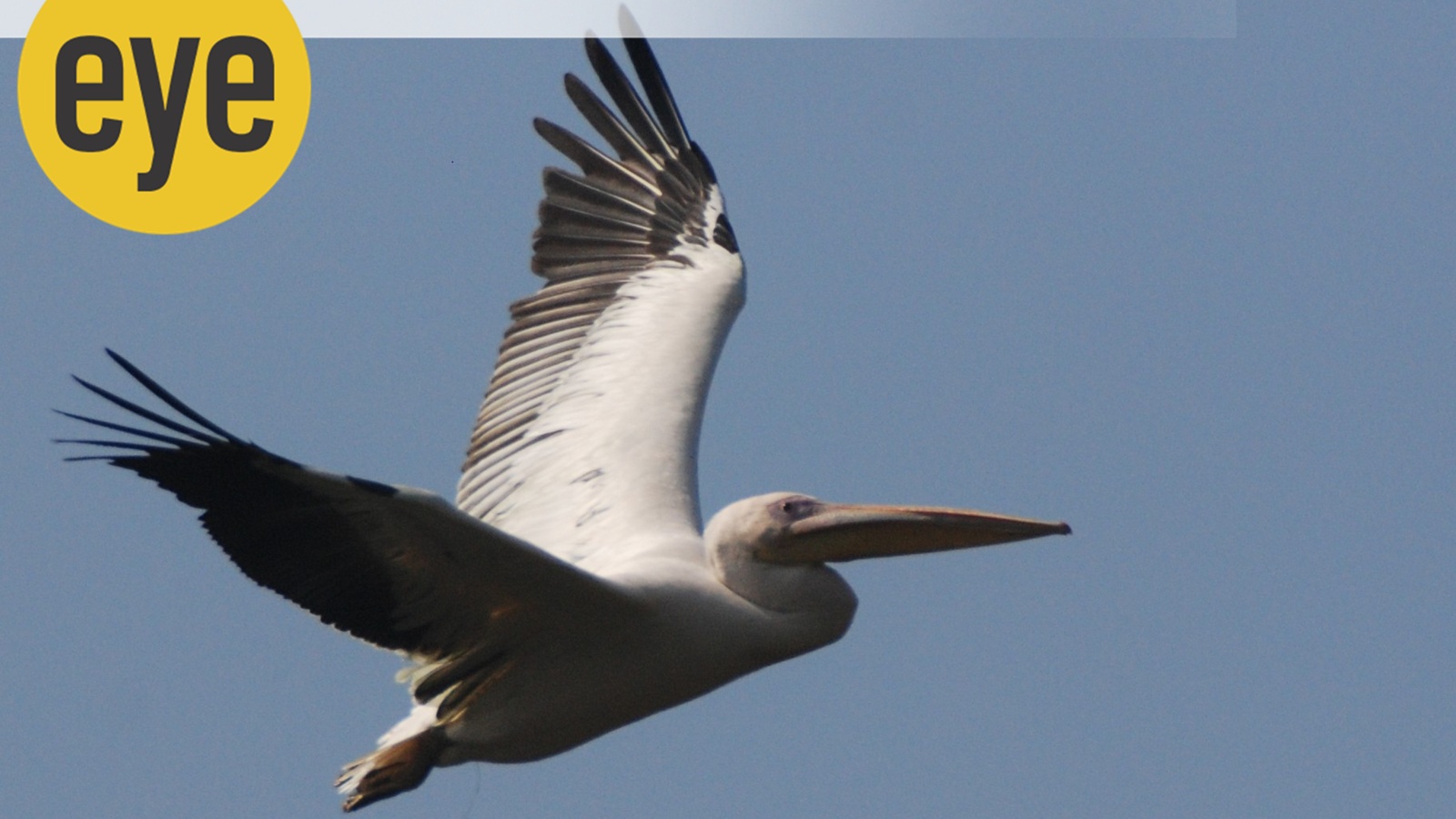
Birds can fly because their wings are specially shaped arms covered with feathers.
Different wing shapes help birds soar, dive, hover, or turn quickly.
Strong feathers at the wing tips help push birds forward, while other feathers help lift them upward.
Large muscles attached to the breastbone power the wings.
Hollow bones make birds lighter without making them weak.
Some birds fly long distances by storing fat for energy.
Hummingbirds can move their wings in a way that lets them hover and fly backward.
Birds carefully clean and oil their feathers so they work properly.
Geese and cranes often fly in a V shape, which helps them save energy.

Bird wings are modified arms whose shapes suit different kinds of flight.
Primaries provide thrust, while secondaries generate lift during the downstroke.
Flight muscles attach to the breastbone, and hollow bones reduce weight while retaining strength.
Birds maintain flight through careful feather preening, oiling, and symmetrical feather replacement.
Migrating birds conserve energy through fat storage, organ reduction, and formations such as the V pattern.
- Who
- Birds, including hummingbirds, falcons, albatrosses, eagles, vultures, geese, ducks, and other species described in the article.
- What
- The article explains how wings, feathers, muscles, bones, and flight adaptations allow birds to fly.
- Where
- Birds fly through forests, over oceans, at high altitudes, and across long migratory routes.
- When
- Bird flight occurs during activities such as soaring, hovering, diving, takeoff, and migration; feather replacement occurs at least once a year.
- Why
- Birds use flight to move, hunt, escape danger, migrate, and find food or flowers.
Key facts
- Wing types
- Elliptical, fastback, long slim, and broad wings suit different flight styles.
- Fastest stated speed
- Slim fastback wings can enable speeds of up to 389 kmph.
- Longest stated nonstop flight
- A bar-tailed godwit was clocked flying over 11,000 km nonstop over oceans.
- Primary feathers
- The stiff feathers at the wing ends provide thrust.
- Secondary feathers
- The softer feathers provide lift by curving during the downstroke.
- Hummingbird flight
- Hummingbirds can swivel their wings around 180 degrees and hover, fly sideways, upward, downward, or backward.
- Feather replacement
- Flight feathers are replaced at least once a year and fall symmetrically from both wings.
Sources
Related news
IIT Madras Develops Bird-Inspired Morphing Wings to Prevent Stalls
Ostrich Tops List of World’s Heaviest Living Birds

Rare Canadian falcon sells for $346,000 at Saudi auction
Animal Dances Reveal Surprising Behaviors, From Bees’ Waggle Dance
Indian Flying Fox: Unique Fruit-Eating Bat