

2 hrs ago
Anxiety Disorders Affect 470 Million, WHO Highlights Warning Signs
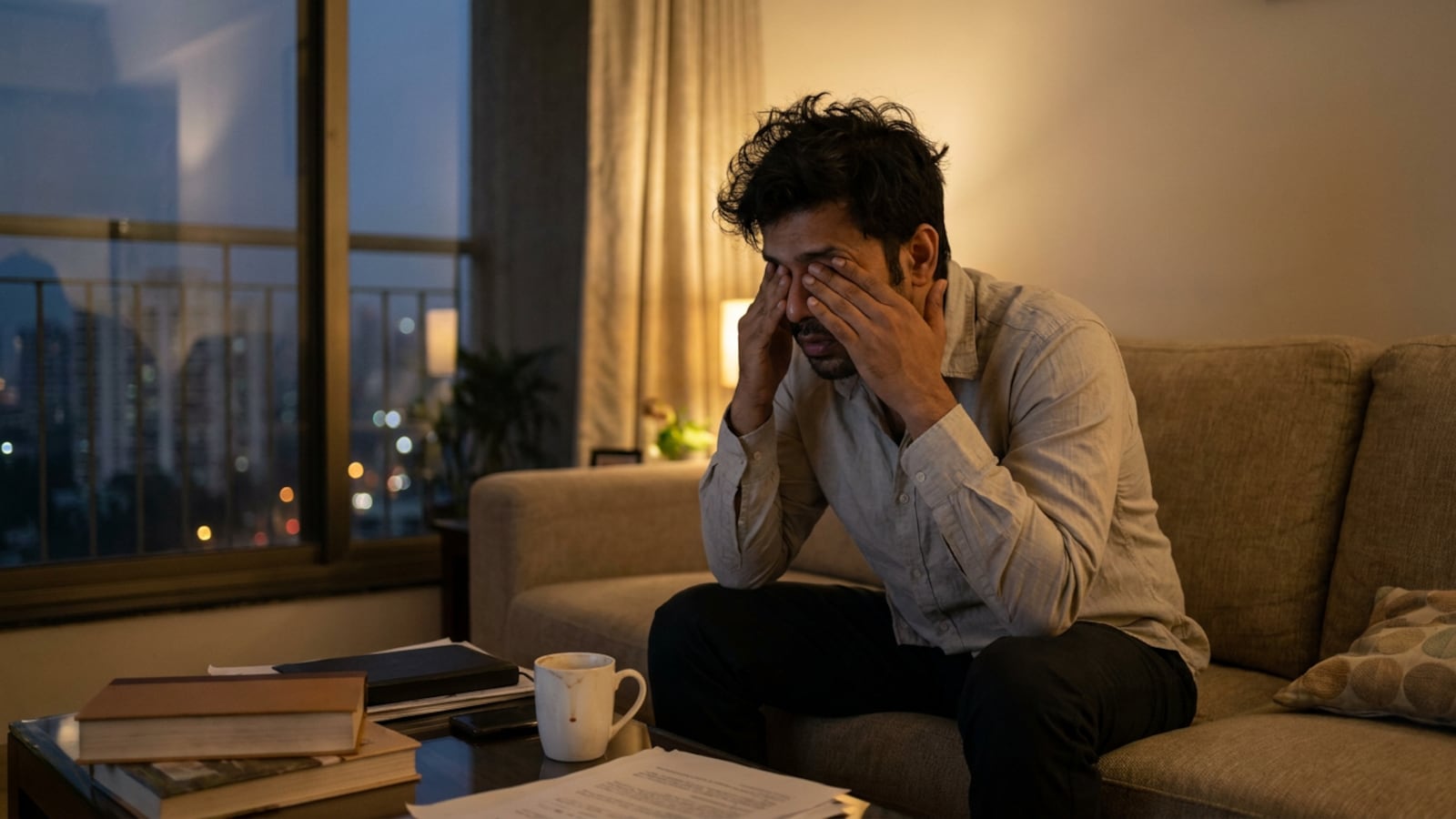
Feeling nervous sometimes is normal, but anxiety disorders involve fear or worry that lasts and gets in the way of daily life.
The article says about 470 million people around the world were affected in 2023.
Anxiety can affect children and adults, and the article says it is more common in women and girls than in men and boys.
It can look like constant worrying, panic attacks, fear of social situations, or fear of particular things.
It can also cause trouble sleeping, difficulty focusing, and body symptoms such as a racing heart or tense muscles.
Around one in four people with anxiety disorders receive treatment, according to the article's WHO figures.
Slow breathing, exercise, regular sleep, and mindfulness may help some people manage symptoms.
These steps do not replace professional care, which may include therapy or medication.

The article cites a WHO estimate that 470 million people worldwide had anxiety disorders in 2023.
Anxiety disorders involve persistent fear or worry that is difficult to control and interferes with everyday life.
Types described include generalised anxiety, panic disorder, social anxiety, agoraphobia, separation anxiety, and specific phobias.
Warning signs can include constant worry, trouble concentrating or sleeping, physical symptoms, and avoiding situations.
Self-care may help manage symptoms, while professional care can include cognitive behavioural therapy or medication.
- Who
- People living with anxiety disorders; the article cites the World Health Organization for global estimates.
- What
- An overview of anxiety disorders, their warning signs, and ways to manage symptoms or seek help.
- Where
- Worldwide.
- When
- The cited estimate of 470 million people is for 2023.
- Why
- To encourage recognition of anxiety disorders and timely support.
Key facts
- Estimated global impact
- About 470 million people in 2023, according to the WHO as cited in the article.
- Treatment access
- Around one in four people with anxiety disorders receive treatment, according to the WHO.
- Who can be affected
- People of all ages; symptoms may begin in childhood or adolescence.
- Sex differences
- Women and girls are more likely to experience anxiety disorders than men and boys, the article says.
- Common warning signs
- Persistent worry, difficulty concentrating, restlessness, physical symptoms, sleep problems, avoidance, and a persistent sense of danger.
- Possible support
- Self-care habits may help, but professional support can include cognitive behavioural therapy and, depending on the person, medication.
Sources
Related news
Eating Disorders Cannot Be Identified by Appearance Alone

Kubbra Sait Shares Mental Health Advice on World Mental Health Day

Five Signs Work May Be Affecting Your Mental Health

Counsellor Says Asking for Student Mental Health Help Is Strength

Families Urged to Act on New Mothers’ Mental Health

World Mental Health Day Highlights Small Daily Wellbeing Routines

India’s Pharmacists Remain Undervalued Despite Calls for Reform

Can Structured Breathing Help Adolescents Heal From Childhood Trauma?

Irritability Can Mask Depression in Men, Experts Say
