2 hrs ago
Eating Disorders Cannot Be Identified by Appearance Alone
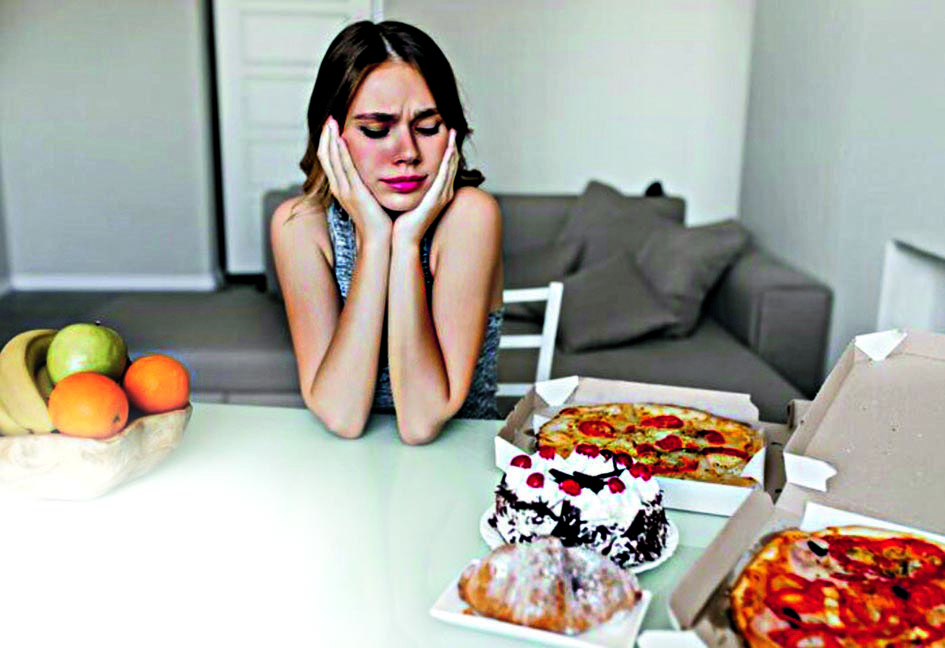
Eating disorders are serious problems involving both the mind and body.
A person does not have to look extremely thin to have one.
People of different sizes, shapes, and genders can experience eating disorders.
Some people restrict food, secretly eat, purge, exercise compulsively, or feel very anxious about meals.
They may also feel guilt or shame after eating.
Physical signs can include tiredness, dizziness, stomach problems, or menstrual changes, but not everyone has these symptoms.
One behavior alone does not prove that someone has an eating disorder.
Friends and family should ask kindly how the person is feeling instead of commenting on their body.
A calm and caring conversation can help someone feel safe enough to seek support.

Eating disorders can affect people of any body shape, weight, size, or gender.
Stereotypes linking eating disorders mainly to extreme thinness can delay recognition, diagnosis, and treatment.
Warning signs may include restrictive food rules, secretive eating, purging, compulsive exercise, and anxiety around meals.
Fatigue, dizziness, gastrointestinal problems, and menstrual changes may occur, but they are not present in every case.
Experts recommend private, supportive conversations focused on wellbeing rather than weight or appearance.
- Who
- People of any body shape, weight, size, or gender who may be experiencing eating disorders; the article cites psychologists Saumya Nijhara and Dhara Ghuntla.
- What
- Experts explain that eating disorders cannot be diagnosed from appearance alone and describe behavioral, emotional, and physical warning signs.
- Where
- The issue is discussed in medical, family, social, and popular-culture settings.
- When
- Why
- Stereotypes about looking visibly ill can cause symptoms to be missed, concerns to be dismissed, and treatment to be delayed.
Key facts
- Core message
- Eating disorders are psychological and physical health conditions, not visual conditions.
- Affected groups
- They can affect people of any body shape, weight, size, or gender.
- Possible behaviors
- Restricting food, following rigid food rules, eating secretly, purging, and compulsive exercise.
- Possible emotional signs
- Anxiety, guilt, distress after eating, body preoccupation, mood changes, and social withdrawal.
- Possible physical signs
- Fatigue, dizziness, gastrointestinal complaints, and menstrual changes; these do not occur in every case.
- Recommended response
- Use a private, calm, supportive conversation focused on wellbeing rather than weight or appearance.
Quotes
Saumya Nijhara
Counselling Psychologist at Fortitude Health and Skin Clinic
“Eating disorders are often misunderstood because we associate them with a particular body size or visibly extreme weight loss. In reality, an eating disorder can affect a person of any body shape, weight or gender, and appearance alone cannot tell us what someone is experiencing.”
 deccanchronicle.com
“I’ve noticed that you seem to be struggling around food lately, and I’m worried about you. Is there anything you would like to talk about?”
deccanchronicle.com
Sources
Related news

Bigorexia in Teenagers Can Let Fitness Take Over Daily Life

Smartphone Ownership at 12 Linked to Later Eating Disorder Symptoms
Why Women’s Bodies Still Face Double Standards In Beauty

Manisha Koirala Opens Up About Food Guilt and Nourishment

GLP-1 Weight Loss Requires Metabolic Health, Diagnosis And Supervision