2 hrs ago
Families Urged to Act on New Mothers’ Mental Health

Having a baby can be very difficult for a mother’s body and mind.
A mother may be tired, sad, worried or overwhelmed, and these feelings should not simply be ignored.
If she stays away from people, cries often, becomes unusually angry or struggles to care for herself or the baby, her family should ask how they can help.
If she says she does not want to live or cannot continue, the family should get medical help immediately.
Loved ones can help by sharing baby care, preparing meals and giving her time to sleep.
They should listen instead of saying that everyone experiences the same thing.
A doctor or mental-health professional can provide treatment and support.
A mother is not bad for needing help or feeling exhausted.
In India, Tele-MANAS offers mental-health support at 14416.

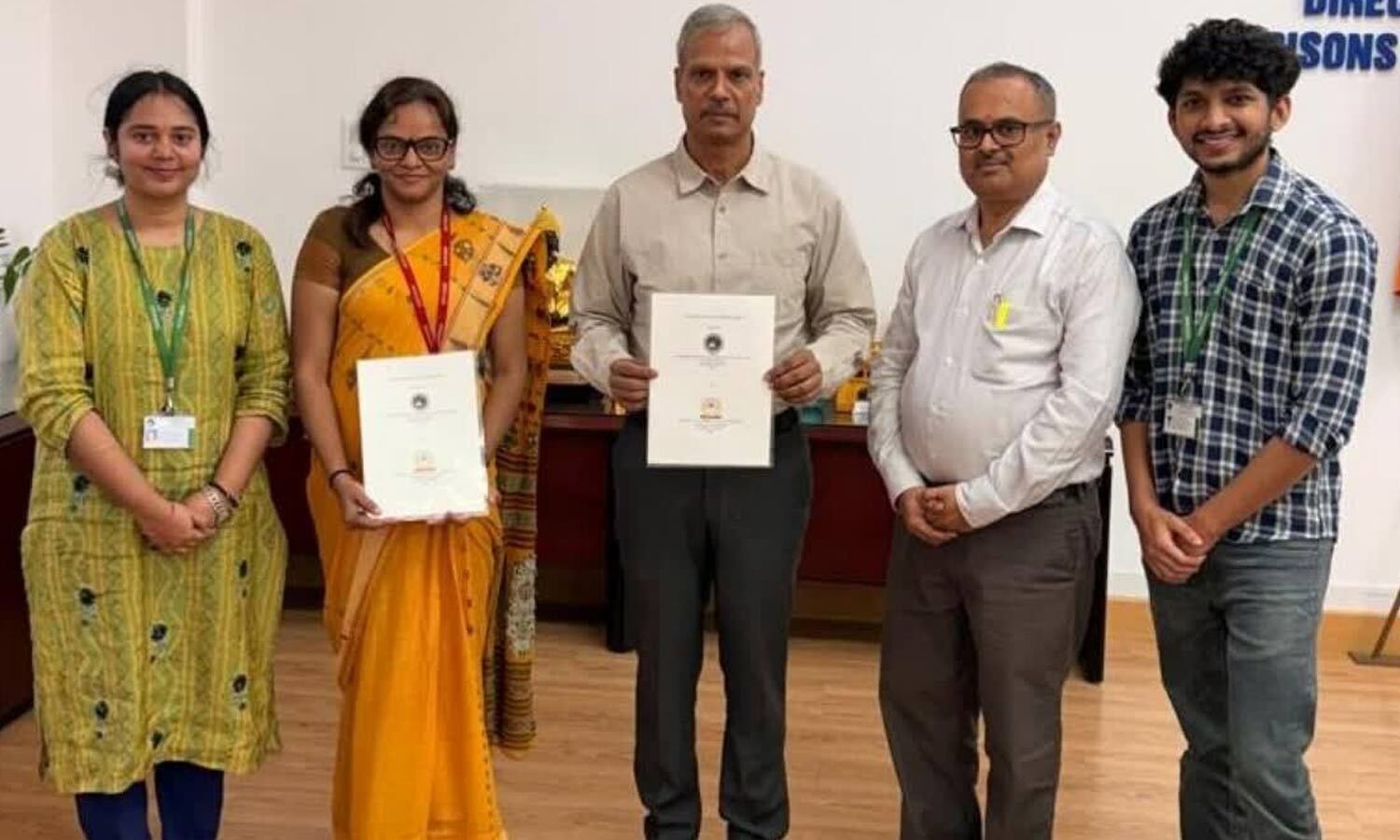
Former Indian Air Force officer Anjani Mishra described developing clinical depression after becoming a full-time mother.
Warning signs can include persistent sadness, withdrawal, irritability, isolation, disrupted sleep and difficulty caring for the baby.
Statements such as “I can’t take it anymore” or “I don’t want to live” should be treated seriously and require immediate medical attention.
Families are advised to provide food, rest, sleep, companionship and practical childcare help without judgment.
Suicidal thoughts or severe symptoms require professional mental-health care; in India, Tele-MANAS can be reached at 14416.
- Who
- New mothers, their families and mental-health professionals; the guidance is provided by Anjani Mishra, a former Indian Air Force officer and life coach.
- What
- The article explains how families can recognize postpartum mental-health difficulties and respond to serious warning signs, including suicidal thoughts.
- Where
- The advice is presented in an Indian context, with Tele-MANAS identified as an available support service in India.
- When
- The guidance was shared around World Suicide Prevention Day; no specific publication date is provided.
- Why
- Early support, shared childcare and professional treatment can help protect a mother’s mental health and safety, as well as the baby’s well-being.
Key facts
- WHO depression estimate
- Around 13% of women who have recently given birth experience depression globally, according to the World Health Organization.
- Developing-country estimate
- The World Health Organization estimates the rate at around 20% in developing countries.
- India review
- A systematic review of 38 studies involving more than 20,000 women estimated India’s pooled postpartum-depression prevalence at 22%.
- Reported risk factors
- Financial difficulties, domestic violence, previous psychiatric illness, marital conflict and lack of spousal support were identified as reported risk factors.
- Urgent warning signs
- Statements about not wanting to live, being unable to continue, sudden withdrawal or being unable to care for herself or the baby require immediate medical attention.
- Family support
- Families are encouraged to provide food, rest, sleep, companionship and practical help with childcare.
- India support line
- Tele-MANAS provides mental-health support in India at 14416.
Quotes
Anjani Mishra
Former Indian Air Force officer and life coach discussing postpartum mental health.
“If the wife mentions, ‘I don’t have the will to live’ or ‘I can’t take it anymore’, or suddenly goes silent, sleeps a lot or is not able to care for the baby, that’s the time the family should intervene and seek medical attention immediately.”
 thebetterindia.com
“It is the duty of the spouse and the family to give time to the new mother for herself.”
thebetterindia.com
Sources
Related news
Sudha Murty urges national policy for postpartum depression screening
Gauahar Khan Discusses Motherhood Pressure and Accepting Help
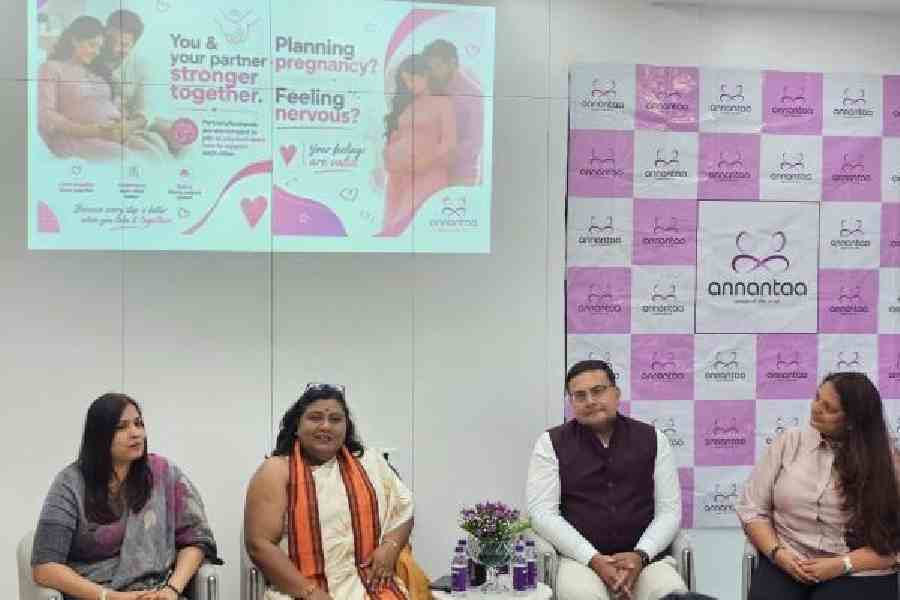
Experts Stress Emotional Health of Mothers From Fertility to Postpartum

Soha Ali Khan Reflects on Motherhood and Asking for Help

Vivek Dahiya Discusses Divyanka Tripathi’s Postpartum Recovery After Twins
Thousands of UK Mothers May Have Undiagnosed Birth Trauma
NEET PG 2026 Answer Key Release Date Remains Unconfirmed

India’s Whisky, Rum and Vodka Labels Face Regulatory Scrutiny
Centre Allocates Four MBBS Seats To Terror Victims’ Families

Anondita Medicare Named L1 Bidder for Over Eight Crore Condoms