1 hr ago
India’s Pharmacists Remain Undervalued Despite Calls for Reform

Pharmacists learn how medicines work and how to help people use them safely.
The article says many pharmacists in India are not given enough chances to do that work.
Some hospital pharmacies mainly hand out medicines and collect payment, instead of offering advice.
It also says some shops may operate without a pharmacist actually being there.
Many pharmacy graduates find only low-paid jobs, while clinical pharmacist jobs are uncommon.
The writer says the rules meant to improve pharmacy practice are not enforced strongly enough.
The article suggests better pay, clearer career paths, and more pharmacist jobs in hospitals.
It also calls for pharmacy colleges to train a number of graduates that matches the jobs available.
The writer argues that real respect means changing these systems, not just holding celebrations once a year.

The article says many Indian hospital pharmacies function mainly as billing counters, with little clinical counselling or oversight.
It argues that pharmacist-presence requirements under the 2015 Pharmacy Practice Regulations are poorly enforced.
Some retail outlets reportedly rely on pharmacists’ licences without the pharmacist being physically present, while untrained staff dispense medicines.
The writer says pharmacists face low pay, limited promotion prospects, and exclusion from some frontline-worker benefits.
Proposed reforms include stronger enforcement, clinical roles in hospitals, better public-sector career paths, and aligning pharmacy education with available jobs.
- Who
- Pharmacists and pharmacy graduates in India; the article is written by an assistant professor at Dadhichi College of Pharmacy.
- What
- An opinion article argues that pharmacists are undervalued and calls for stronger clinical roles, enforcement, and career pathways.
- Where
- India
- When
- The article refers to September 25 as the annual occasion for celebrating pharmacists and discusses the 2015 regulations.
- Why
- The writer says weak enforcement, limited clinical roles, low pay, and inadequate career structures prevent pharmacists from practising fully.
Writer’s assessment
Celebratory recognition
Whether annual tributes amount to recognition
Writer’s assessment
The writer says ceremonies and tributes are inadequate without better pay, enforcement, and professional roles.
Celebratory recognition
The article notes that pharmacy colleges and associations celebrate pharmacists on September 25 and that pharmacists’ pandemic contributions merit acknowledgment.
Pharmacists’ role in medicine dispensing
Writer’s assessment
The writer argues pharmacists should provide clinical oversight and counselling, and says licence-renting and dispensing by untrained staff are serious concerns.
Celebratory recognition
The article describes many pharmacies as primarily dispensing and billing operations, but does not present a defence of that model.
Key facts
- Annual pharmacist observance
- September 25
- Pharmacy Practice Regulations
- Introduced in 2015; the article says they require registered pharmacists and a clinical role in hospital pharmacies.
- Pharmacy graduates
- The article estimates India produces nearly 1.2 lakh pharmacy graduates annually.
- Retail pharmacy outlets
- The article estimates there are 8–9 lakh retail outlets in India.
- Reported retail counter pay
- The article says many graduates compete for jobs paying Rs 10,000–15,000 per month.
- Pharm.D programme
- Launched in 2008, according to the article.
- Suggested reforms
- Enforce pharmacist-presence rules, establish clinical hospital roles, improve public-sector pay and promotions, and rationalise education intake.
Sources
Related news
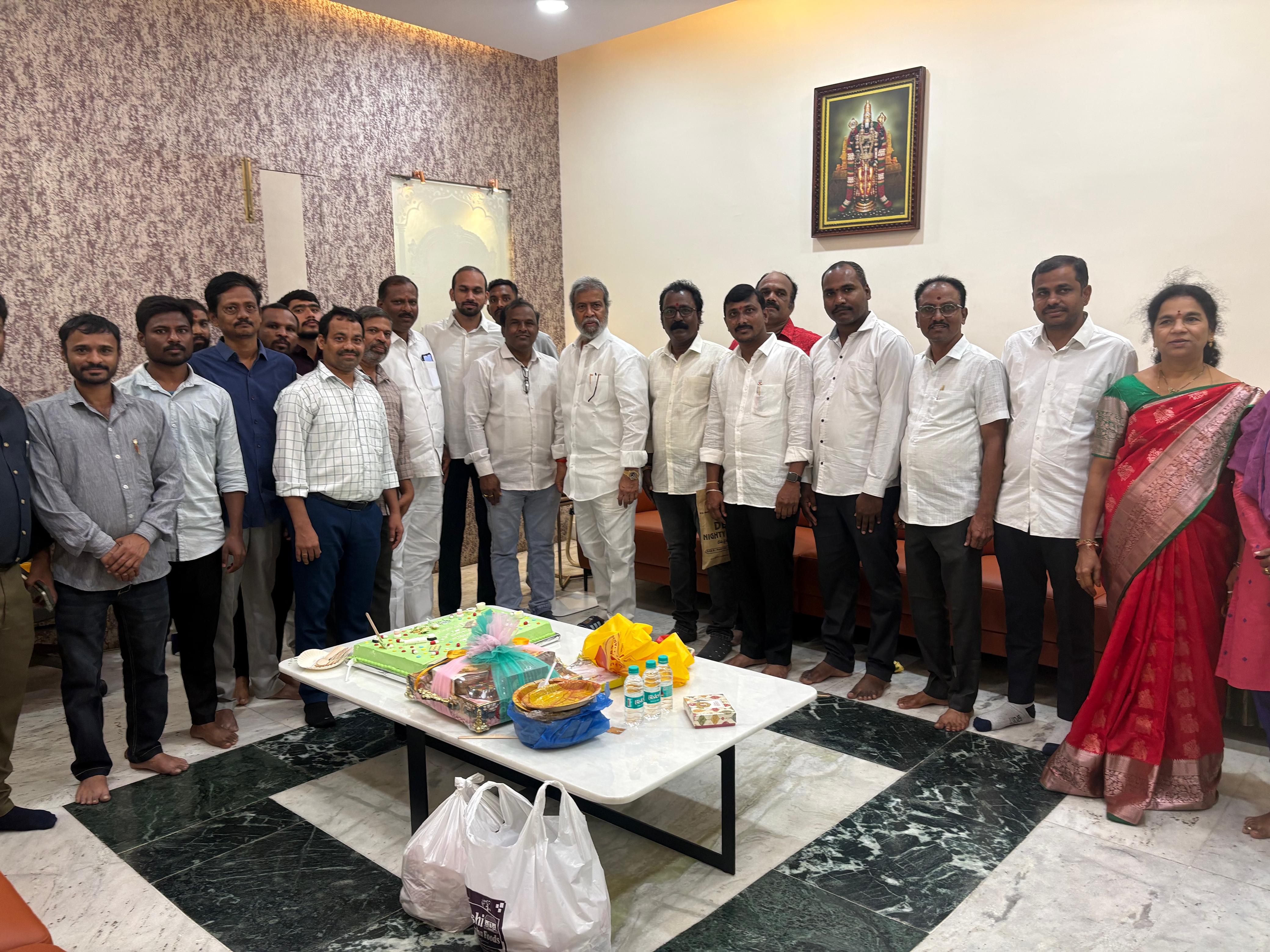
Health Minister Highlights Pharmacists’ Role in Strengthening Healthcare Systems

Institutions Mark World Pharmacist Day With AMR Awareness And Innovation
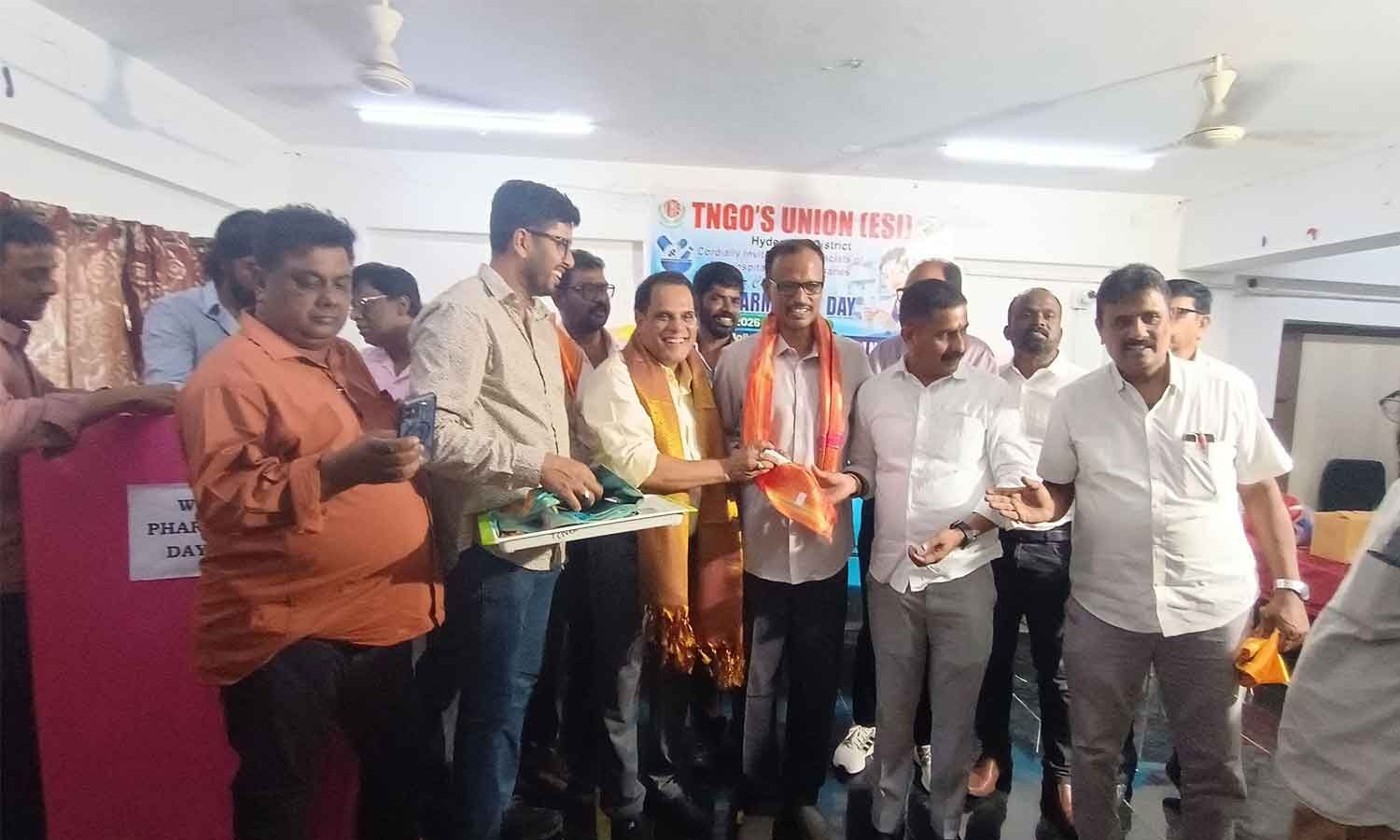
World Pharmacist Day Event Highlights ESI Pharmacists’ Service Concerns
Survey Finds Prescription Gaps as India Proposes CCTV Rules
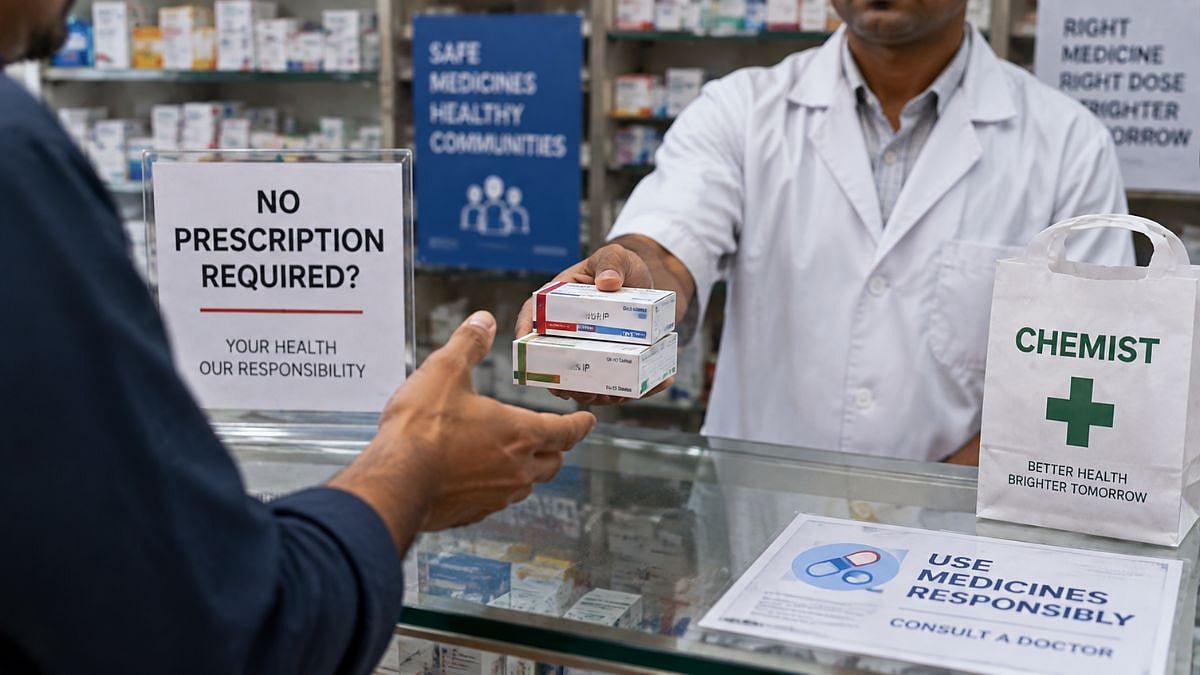
Mumbai Survey Finds Widespread Gaps in Prescription Medicine Checks
India Is Overmedicated in Some Places, Undertreated in Others

Can Structured Breathing Help Adolescents Heal From Childhood Trauma?

Irritability Can Mask Depression in Men, Experts Say

How to read food labels beyond front-of-pack health claims

Mystery Surrounds Russian Lab Technician’s Death as Residents React