1 week ago
Maharashtra Proposes BNS Amendment for Defamatory Social Media Posts
Maharashtra wants to create a clearer law for harmful and defamatory posts on social media.
A government committee suggested changing the Bharatiya Nyaya Sanhita, or BNS.
The committee does not want to bring back the old Section 66A in the same form.
The Supreme Court cancelled Section 66A in 2015 because its words were too vague and could punish lawful speech.
The proposed law would need safeguards to prevent misuse.
It must first be approved by Maharashtra’s legislature.
Then the central government and the President would need to approve it.
The proposal is still being reviewed and is not yet a law.

A Maharashtra government committee has recommended amending the Bharatiya Nyaya Sanhita to address defamatory social media posts.
The committee rejected changing the Maharashtra Police Act or the central Information Technology Act.
Any amendment must pass the state legislature, undergo Centre review, and receive presidential assent.
The proposal aims to avoid the vagueness and overbreadth that led the Supreme Court to strike down Section 66A in 2015.
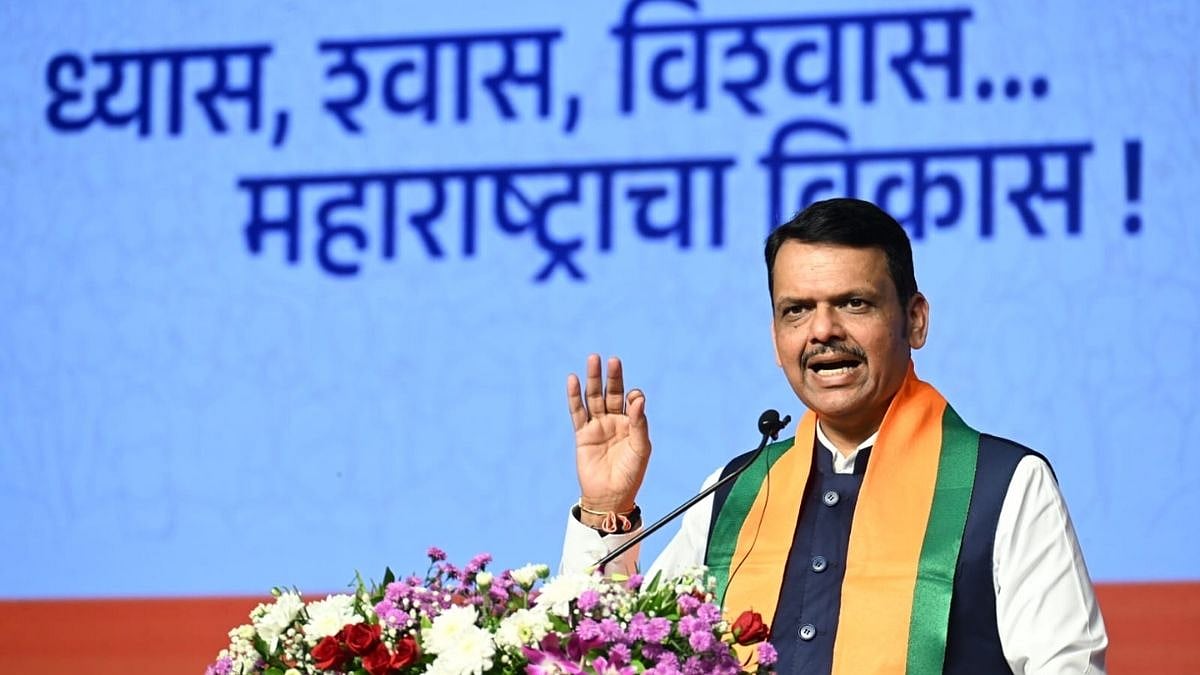
The committee was formed in May 2026 after Chief Minister Devendra Fadnavis cited increasing online defamation without evidence.
- Who
- A Maharashtra government committee headed by the state Director General of Police made the recommendation.
- What
- It recommended a state amendment to the Bharatiya Nyaya Sanhita specifically addressing defamatory social media posts.
- Where
- Maharashtra, India.
- When
- The committee was constituted on May 8, 2026, and was given three months to submit its report.
- Why
- The state says social media is increasingly being used to defame people without evidence, while the proposed safeguards are intended to avoid the constitutional problems associated with Section 66A.
State enforcement argument
Free-speech and legal concerns
Need for a specific online-defamation law
State enforcement argument
Maharashtra officials say existing law does not specifically mention online content and that social media is increasingly used to defame people without evidence.
Free-speech and legal concerns
The Supreme Court’s Section 66A ruling cautioned that broad restrictions on online communication can cover speech that harms neither reputation nor public safety.
Safeguards against misuse
State enforcement argument
The committee intends to draft the amendment with safeguards and says the BNS route would receive review at multiple levels.
Free-speech and legal concerns
Critics of similar state legislation have argued that provisions resembling Section 66A could face legal challenges and be struck down.
Key facts
- Proposed legal route
- Amendment to the Bharatiya Nyaya Sanhita
- Committee formed
- May 8, 2026
- Committee chair
- Maharashtra’s Director General of Police
- Earlier law
- The Supreme Court struck down Section 66A of the Information Technology Act on March 24, 2015.
- Reason Section 66A was struck down
- The Court found it vague and overbroad and held that it violated the right to free speech under Article 19(1)(a).
- Approval required
- The state legislature must pass the amendment, followed by Centre review and presidential assent.
- Comparable state measure
- Kerala withdrew a 2020 Police Act amendment after opposition and court petitions.
Sources
Related news
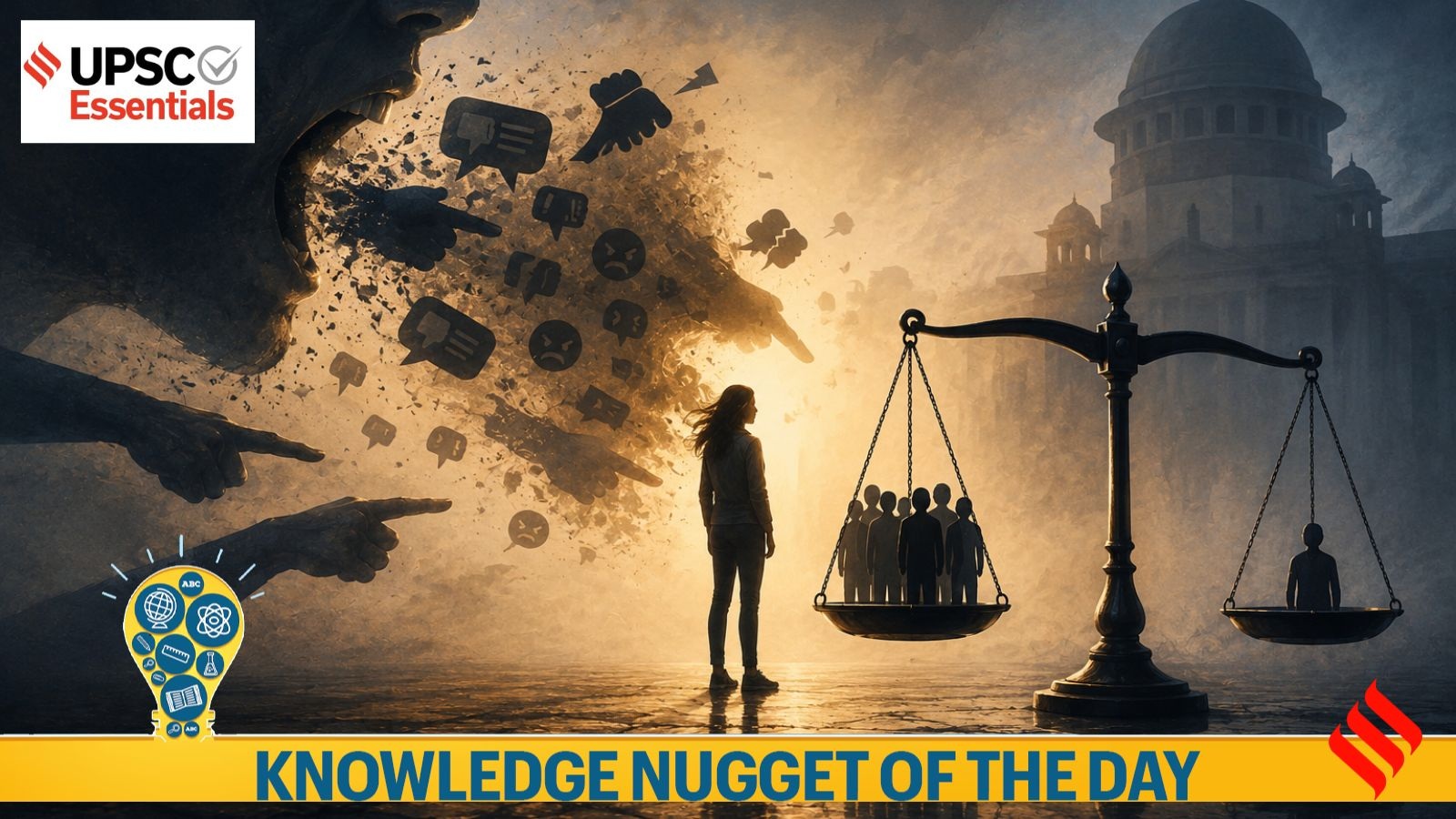
Maharashtra Panel Proposes Criminal Defamation Rules for Social Media

Tripura High Court Upholds Cases Over Abusive PM Posts
Bombay High Court Orders Removal of Defamatory Content Targeting Gadkari
Case registered against Bansdroni resident over comments on Yogi Adityanath
Bombay High Court Orders Removal of Defamatory Posts Targeting Gadkari
India's Social Media Blocking Framework Explained by MeitY Secretary
Maharashtra, Australia Plan Biomanufacturing Task Force for Joint Growth
Jarange Accepts Water, Continues Maratha Reservation Hunger Strike
New Daily Mumbai–Sawantwadi Train To Start September 3

Maharashtra Ministers Seek End to Jarange Patil’s Maratha Quota Fast
Maharashtra Land Bank Aims to Speed Infrastructure Projects