1 week ago
Maharashtra Panel Proposes Criminal Defamation Rules for Social Media
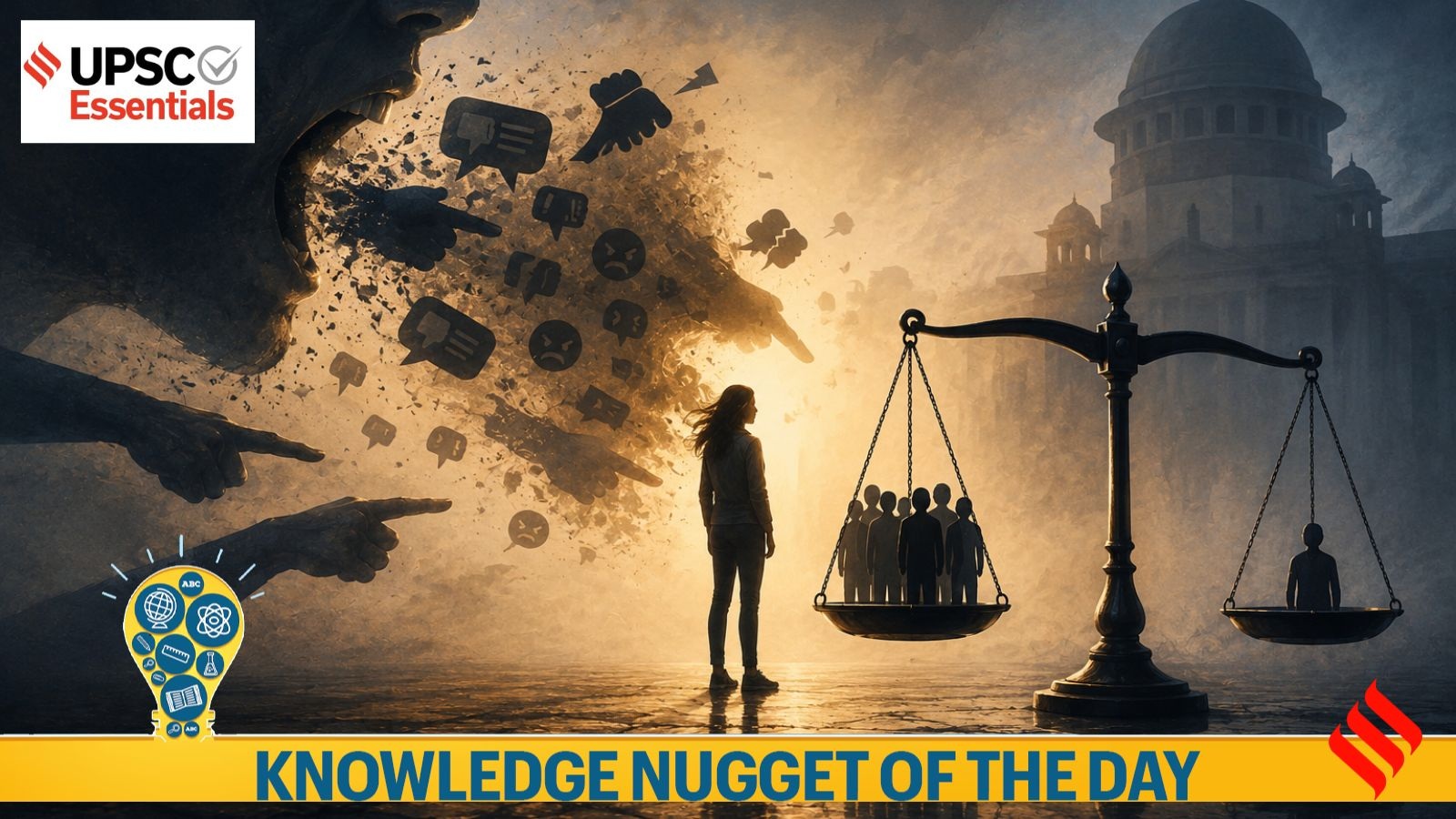
A Maharashtra government panel wants to create a clearer criminal rule for defamatory posts on social media.
Defamation means saying or publishing something about a person that harms their reputation.
The proposal would change the Bharatiya Nyaya Sanhita, but it would need approval from the President of India.
The panel also says safeguards are needed so the rule is not misused.
In 2015, the Supreme Court cancelled Section 66A because its words were too unclear and could punish lawful speech.
Indian law protects both free speech and a person's reputation.
Courts are now considering whether reposting or even liking a harmful post can create legal responsibility.
The main challenge is finding a fair line between protecting people from real reputational harm and allowing honest public discussion.

A Maharashtra government panel has recommended amending the Bharatiya Nyaya Sanhita to cover defamatory social media posts.
The proposed state-level amendment would require presidential assent and include safeguards against misuse.
The Supreme Court struck down Section 66A of the Information Technology Act in 2015 as vague, overbroad and unconstitutional.
Indian law recognizes defamation as both a civil wrong and a criminal offence, while constitutional law balances reputation with free speech.
Recent court decisions have examined liability for republishing, liking or sharing allegedly defamatory online content.
- Who
- The Maharashtra government committee, the Supreme Court of India and courts considering online defamation cases.
- What
- A proposal to amend the Bharatiya Nyaya Sanhita to specifically address defamatory social media posts, with safeguards against misuse.
- Where
- Maharashtra and online platforms, with related rulings discussed from courts including the Kerala High Court and Patiala House court.
- When
- The Maharashtra committee was set up in May; Section 66A was struck down on March 24, 2015, while the article also describes rulings from 2025 and 2026.
- Why
- The committee was asked to examine legal options for dealing with defamatory online content, amid broader concerns about misuse and the impact on free speech.
Free Speech and Misuse Concerns
Reputation Protection and Legal Enforcement
Need for a new social-media offence
Free Speech and Misuse Concerns
Critics worry that a provision aimed at online speech could revive the problems of Section 66A, whose vague terms were found capable of chilling legitimate expression.
Reputation Protection and Legal Enforcement
The Maharashtra panel argues that defamatory online content requires a specific legal response and says safeguards can limit misuse.
Scope of online liability
Free Speech and Misuse Concerns
Treating likes, reposts or shares as republication could impose legal consequences on fleeting or ambiguous digital actions and affect democratic participation.
Reputation Protection and Legal Enforcement
Courts in India and Switzerland have recognized that sharing or repeating allegedly defamatory content can communicate it to third parties and may therefore create liability in some circumstances.
Reports of official proceedings
Free Speech and Misuse Concerns
Journalists and media organizations argue that reporting an official action should not automatically be treated as a defamatory accusation merely because it harms a litigant's reputation.
Reputation Protection and Legal Enforcement
A separate Kerala High Court ruling stated that editors may face criminal defamation proceedings for republishing derogatory statements sourced from social media.
Key facts
- Proposed legal change
- A Maharashtra-level amendment to the Bharatiya Nyaya Sanhita covering defamatory social media posts.
- Approval required
- Because criminal law is on the Concurrent List, the amendment would require presidential assent before taking effect in Maharashtra.
- Section 66A
- The Supreme Court struck down the provision on March 24, 2015, finding it unconstitutional, vague and overbroad.
- Existing defamation provision
- Section 356 of the Bharatiya Nyaya Sanhita defines defamation but does not specifically mention online content.
- Civil defamation
- It is generally treated as a tort and may result in financial compensation or damages.
- Criminal defamation
- It must be proven beyond reasonable doubt and can attract imprisonment of up to two years, with or without a fine.
- Constitutional balance
- Article 19(2) permits reasonable restrictions for defamation, while Article 21 protects dignity, including reputation according to Supreme Court reasoning.
Quotes

The Supreme Court of India
India’s highest constitutional court, which upheld criminal defamation in Subramanian Swamy v. Union of India.
“the right to reputation is no less important than the right to freedom of speech”
 indianexpress.com
Sources
Related news
Maharashtra Proposes BNS Amendment for Defamatory Social Media Posts

Tripura High Court Upholds Cases Over Abusive PM Posts
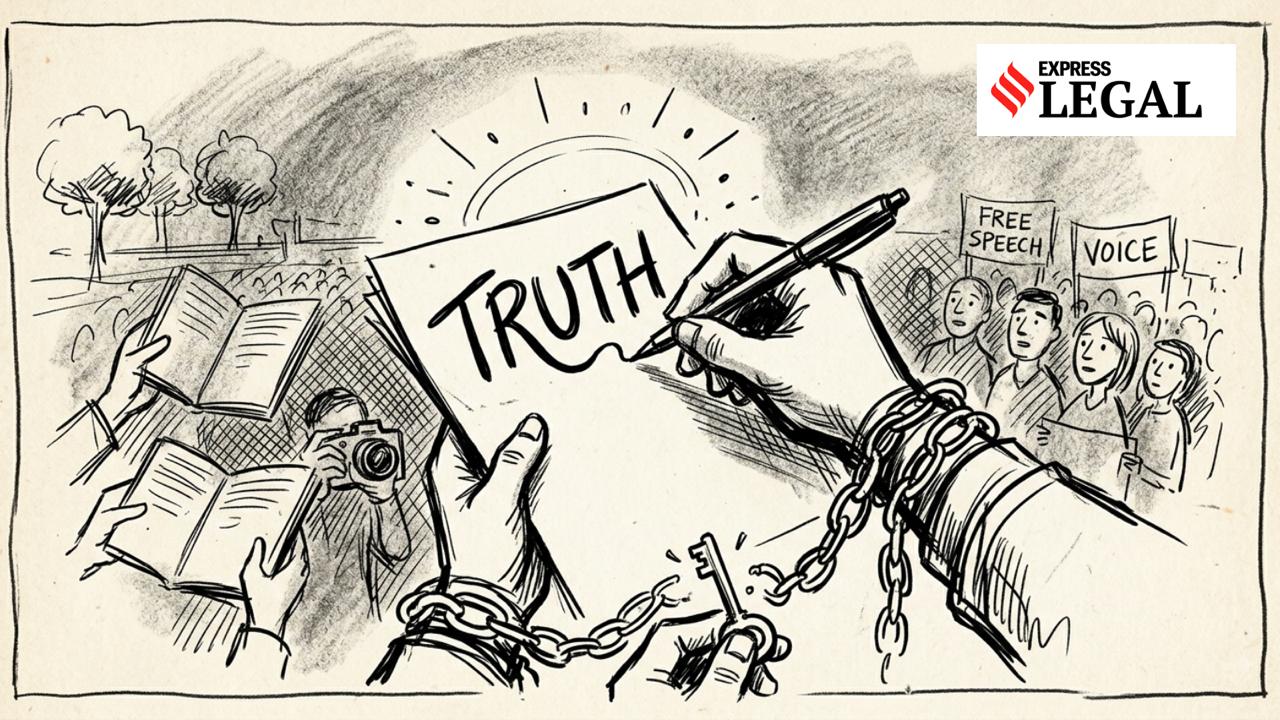
Kerala High Court rules journalist reporting official action is not defamation
Delhi High Court Quashes Defamation Case Against Pinaki Misra
Delhi HC Protects PhysicsWallah Founder Alakh Pandey's Personality Rights

J&K's First International Film Festival to Open New Cultural Chapter
Delhi High Court Withdraws PIL on Internet Shutdown