44 mins ago
Reported US Navy Tanker Sinking Threatens China’s Iranian Oil Supply
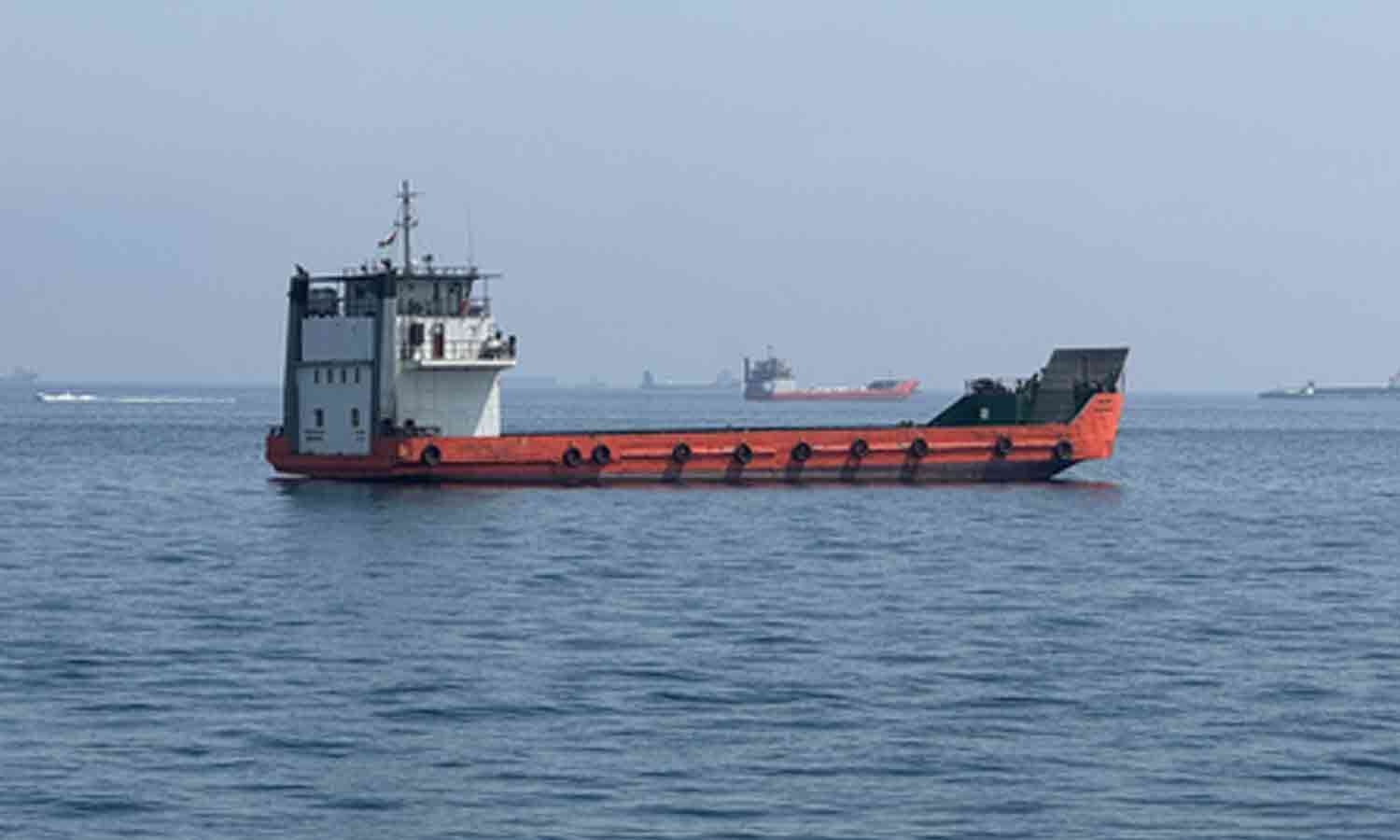
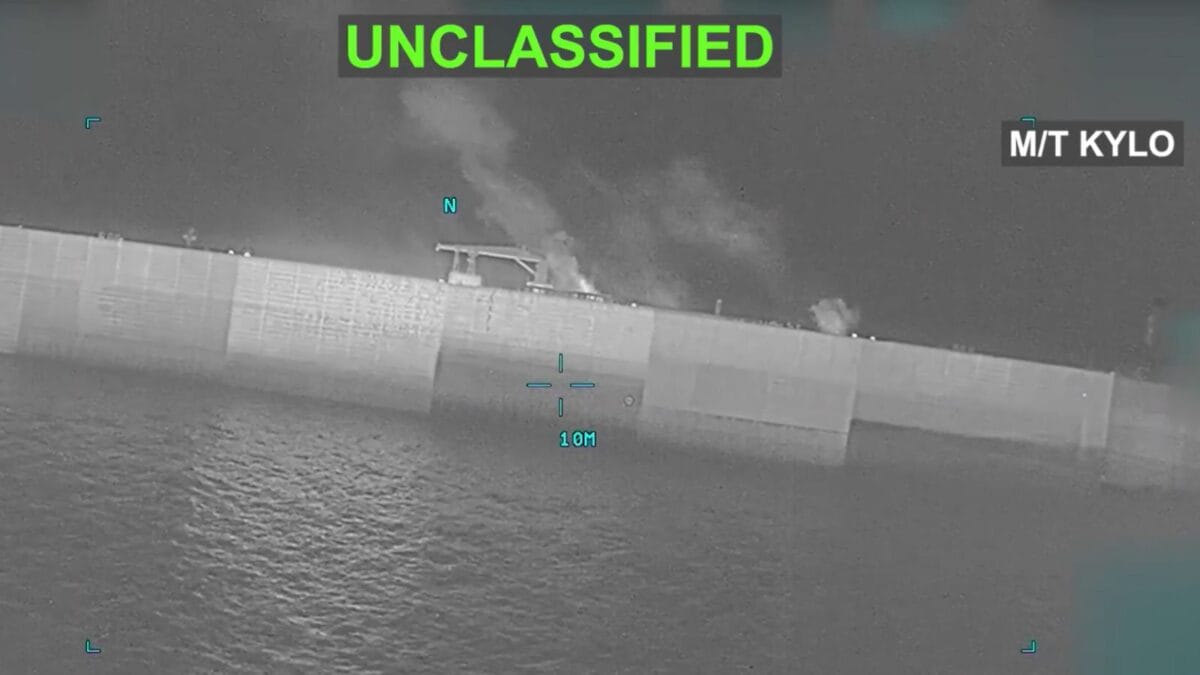
A report says the US Navy sank an Iranian oil tanker near an important Iranian export terminal.
The terminal is called Kharg Island.
The report says much of the oil from Iran is bought by smaller Chinese refineries known as teapots.
These refineries use cheap oil that larger Chinese companies often avoid because of sanctions concerns.
They have found ways to pay for the oil without using normal dollar-based systems.
The report says sinking tankers could make it harder to move this oil to China.
It also says the refineries already have low supplies because shipping through the Strait of Hormuz has been disrupted.
As a result, the report expects the effects to reach Chinese refineries relatively quickly.

A Modern Diplomacy article says US Navy missiles sank an Iranian oil tanker last week while it was loading at Kharg Island.
Kharg Island handles about 90% of Iran’s oil exports, according to the article.
The report says the strike targeted the physical supply chain serving China’s independent “teapot” refineries, which account for 25% of China’s petroleum-products production.
China’s teapots have reportedly bypassed sanctions using domestic payment systems and barter-style transactions to buy discounted Iranian crude.
The article argues that depleted stocks, reduced global supplies, and the loss of tanker capacity could soon raise costs for China’s smaller refineries.
- Who
- The United States Navy, Iran, and China’s independent “teapot” refineries are central to the report.
- What
- The report says a US Navy strike sank an Iranian oil tanker and could disrupt China’s supply of discounted Iranian crude.
- Where
- The tanker was reportedly sunk while loading at Kharg Island, Iran; the expected effects concern Chinese refineries.
- When
- The reported sinking occurred last week; the article does not provide a specific date.
- Why
- According to the report, destroying tankers could disrupt the physical supply chain that has allowed China’s smaller refineries to buy Iranian oil despite sanctions.
Key facts
- Reported action
- US Navy missiles reportedly sank an Iranian oil tanker.
- Loading location
- Kharg Island, the terminal from which the article says 90% of Iran’s oil exports are loaded.
- Affected buyers
- China’s independent coastal “teapot” refineries.
- Teapot production share
- The article says these refineries account for 25% of China’s petroleum-products production.
- Sanctions workaround
- The refineries reportedly use China’s payment systems and barter-style clearing to bypass dollar transactions.
- Supply conditions
- The report says teapots have low stocks and that Strait of Hormuz disruptions have reduced global supplies.
- Economic vulnerability
- The refineries operate on thin margins that depend heavily on discounted sanctioned crude.
Quotes
Modern Diplomacy article
Publication article cited as the source of the analysis
“Unlike China’s state oil majors, which avoid sanctioned crude to protect their access to Western banks and capital markets, teapots built their business model on the opposite trade: buying Iranian, Russian and Venezuelan oil at steep discounts state refiners won’t touch.”
 thehansindia.com
Sources
Related news
Iran Oil Sanctions Put China’s Refiners and Banks Under Pressure
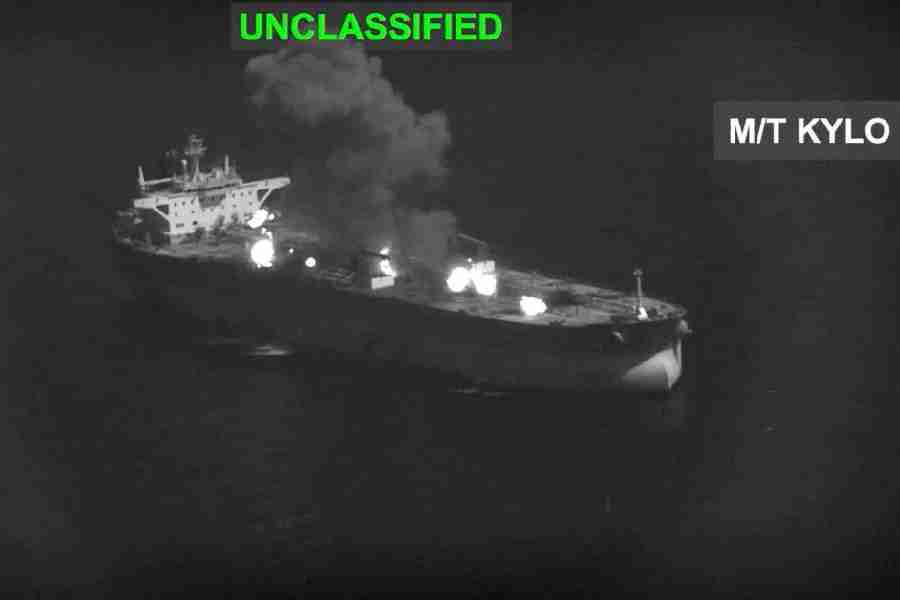
US Strikes Three Iranian Tankers, Threatens Iran’s Oil Fleet
U.S. Sinks Iran-Linked Tanker, Releases Gulf of Oman Footage
US Strikes Three Iranian Oil Tankers After IRGC Attacks

US Confidence in Iran War Tied to China Oil Angle

US Strikes Iranian Tankers After Navy Ships Targeted
India’s August Wholesale Inflation Climbs on Food, Fuel Pressures
Houthi Advance Threatens Bab al-Mandab and Global Shipping

Gold Slips as US Inflation Raises Federal Rate Hike Odds
India’s Wholesale Inflation Reaches 9.92% on Food and Fuel