1 week ago
Iran Oil Sanctions Put China’s Refiners and Banks Under Pressure
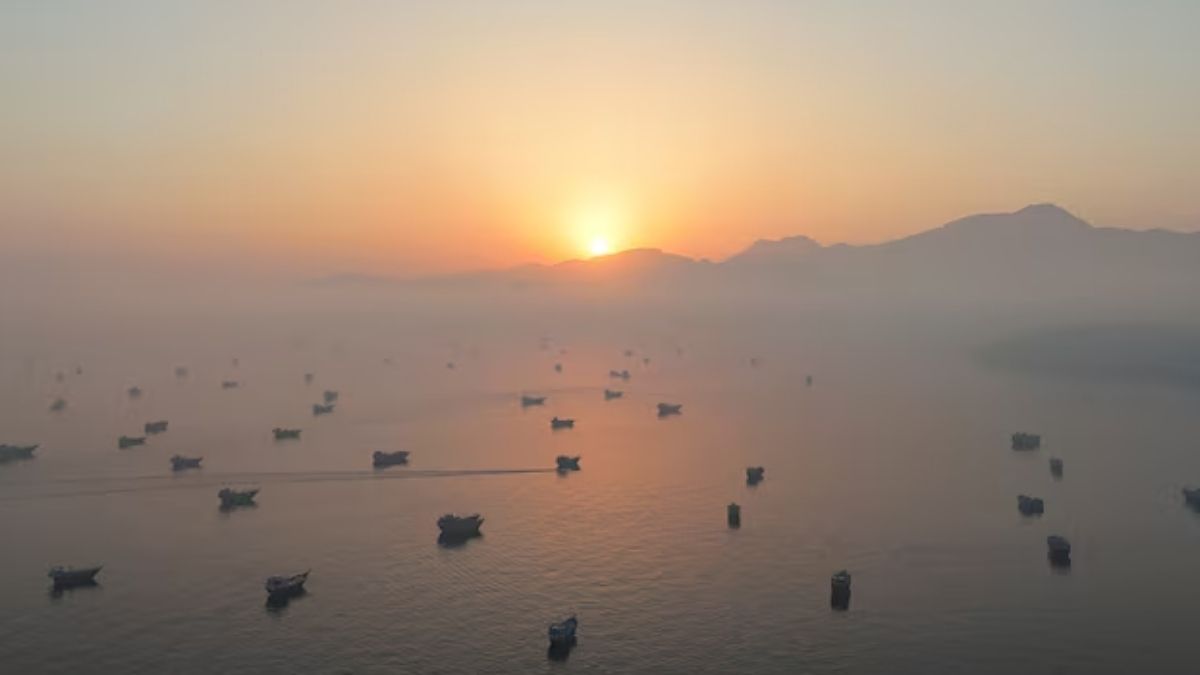
China buys most of the Iranian oil that is shipped to other countries.
The United States plans to announce tougher sanctions against Iran on August 24.
Sanctions are rules meant to make it harder for a country to sell goods or use financial systems.
Iranian oil available to Chinese buyers has already decreased.
Some Chinese refineries now have to pay more or search for oil from Brazil and Iraq.
These smaller refineries are important because they often buy discounted Iranian oil.
The United States could punish companies or banks that help move Iranian oil.
China may oppose the sanctions or respond with its own economic pressure.
The situation could make oil more expensive and increase tensions between China and the United States.

China bought more than 80% of Iran’s shipped oil in 2025, according to Kpler data cited by Reuters.
Chinese imports of Iranian oil fell to 534,000 barrels per day in August so far, below the 2025 average of about 1.4 million barrels per day.
Reduced availability has pushed some Iranian crude from discounts to premiums of about $2 per barrel over ICE Brent.
Chinese independent refineries are considering Brazilian Lapa and Iraqi Basrah crude as alternatives.
The United States is preparing new sanctions that could target companies, traders, financial channels or banks involved in Iran’s oil trade.
- Who
- The United States, China, Iran, Chinese independent refineries and financial institutions involved in the oil trade.
- What
- Washington is preparing another round of sanctions against Iran, while reduced Iranian oil availability is pressuring Chinese buyers to seek alternatives.
- Where
- The effects are centered on the China-Iran oil trade, with about 40 million barrels reportedly held on ships in Malaysian waters east of Singapore.
- When
- Scott Bessent announced the planned sanctions details on August 20, with further details expected on August 24; the cited trade data is from 2025.
- Why
- The United States aims to disrupt Iran’s oil revenue and sanction networks supporting its oil exports, while China seeks to maintain supplies for its refineries.
United States position
China’s position
Purpose of sanctions
United States position
The United States says tougher sanctions are needed to pressure Iran and disrupt oil-sale networks that support its revenue.
China’s position
China rejects unilateral US sanctions and calls for a political and diplomatic solution to the Iran conflict.
Potential bank sanctions
United States position
Washington may use secondary sanctions to restrict companies and banks that help process Iranian oil transactions or funds.
China’s position
Sanctioning major Chinese banks could affect transactions beyond the Iran trade and provoke a stronger response from Beijing.
Economic consequences
United States position
The United States faces the challenge of disrupting Iran’s oil revenue without causing a broader confrontation with China.
China’s position
China may need to buy more expensive or less attractive crude from countries such as Brazil and Iraq, while retaining leverage through trade and critical-mineral supply chains.
Key facts
- China’s share of Iran’s shipped oil
- More than 80% in 2025, according to Kpler data cited by Reuters.
- Chinese Iranian-oil imports
- About 1.4 million barrels per day on average in 2025; 534,000 barrels per day in August so far.
- Iranian crude pricing
- Some barrels were offered at a premium of about $2 per barrel over ICE Brent, compared with a discount of about $3 earlier in the week.
- Floating Iranian oil storage
- About 80 million barrels, down from roughly 105 million barrels before the blockade was reinstated.
- Chinese teapot refineries
- They account for about one-quarter of China’s refinery capacity and have been major buyers of discounted Iranian crude.
- Planned US sanctions announcement
- US Treasury Secretary Scott Bessent said further details would be provided on August 24.
- Potential targets
- Chinese companies, traders, front companies, shadow-fleet shipping networks, financial channels and possibly banks.
Quotes
Sun Jianan
Senior oil analyst at Energy Aspects
“Given the thin Iranian availability amid the US blockade, Chinese teapots are now looking beyond Russia and Iran.”
 financialexpress.com
Sources
Related news
China Warns US Retaliation Over Iran Sanctions Expansion

China Rejects US Sanctions Pressure, Urges Restraint on Iran
China Rejects US Sanctions Threats Over Iran Trade
Trump Signals Possible Sanctions on Chinese Banks Over Iran
Trump Vows to Hit Iran Hard Economically; Options Weighed
US Sanctions on Iran Put China, India, Tehran in Focus

RBI Governor Meets US Fed Chief Kevin Warsh at G20
Indian Firms Invest $40 Billion in U.S., Supporting Jobs
Trump Aides Seek Quiet Iran War Before Midterm Elections
Global Bond Sell-Off Pushes Japan Yields To 30-Year High

US and China Hold Quiet Talks Over Iran Conflict