1 week ago
India's Sugar Prices Rise as Centre Rejects Ethanol Link
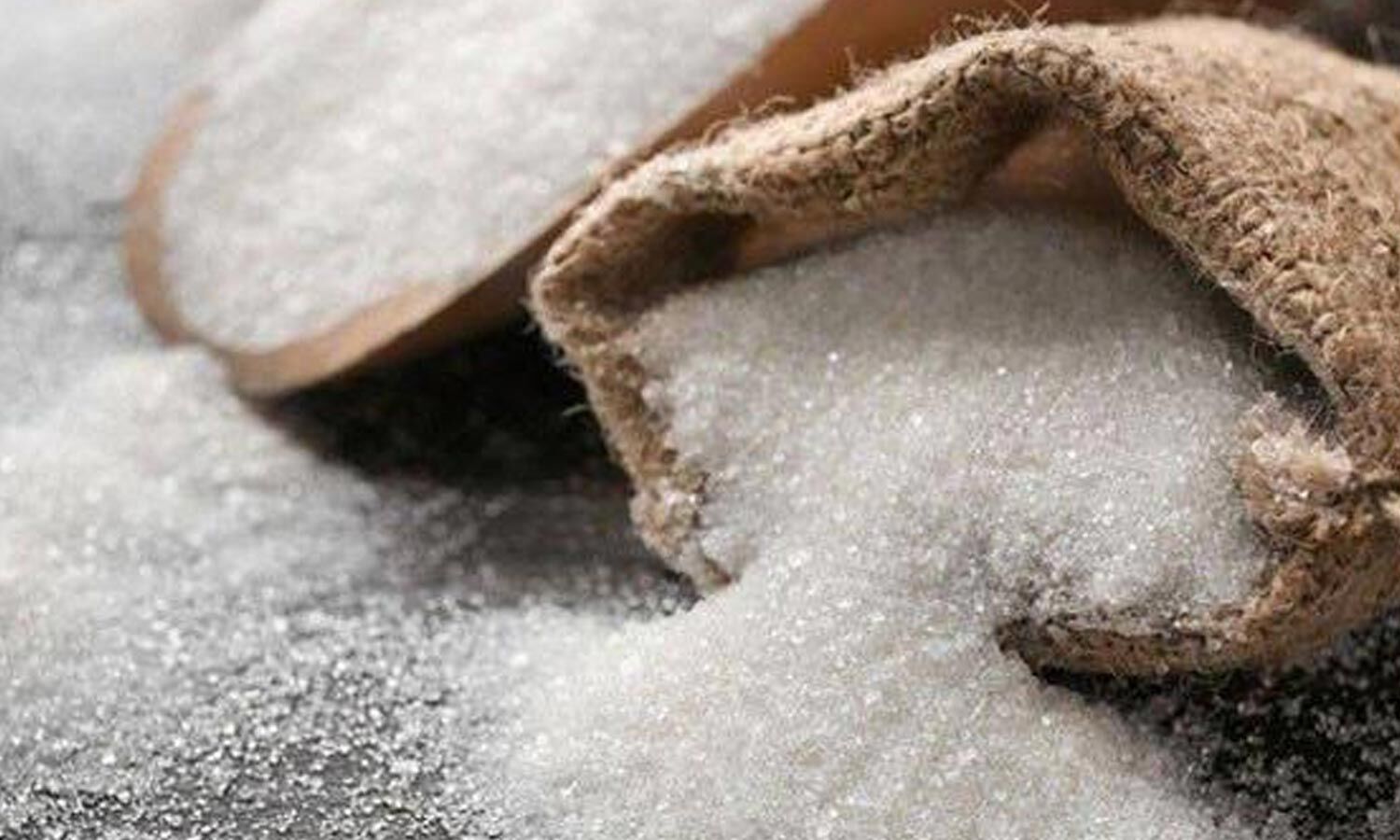
Sugar has become more expensive in India.
Its average price rose from ₹48.18 to ₹55.70 per kilogram in a month.
The government says ethanol production is not the main reason.
It says less sugar is being sent to make ethanol than in earlier years.
Bad weather and crop diseases have reduced the amount of sugarcane available.
People and businesses also buy more sugar during the festive season.
Worldwide sugar supplies are tighter, while some traders may be storing sugar to push prices higher.
The government is importing sugar without duty and limiting stocks to help bring prices under control.

Average sugar prices rose from ₹48.18 to ₹55.70 per kilogram in one month.
The Centre says lower production, festive demand, crop damage, global shortages and hoarding are driving prices.
Domestic sugar production is estimated at 30.6 million tonnes, below the initial 34.3-million-tonne estimate.
Sugar diverted to ethanol reportedly fell from about 12% in 2022–23 to 9% in 2025–26.
The government approved duty-free imports of one million tonnes and tightened trader stock limits.
- Who
- Indian consumers, traders, sugar producers and the Centre, through the Ministry of Consumer Affairs, Food and Public Distribution.
- What
- Sugar prices have risen sharply, while the Centre has rejected ethanol diversion as the primary cause.
- Where
- India, particularly sugar-producing states including Uttar Pradesh, Maharashtra and Karnataka; global supply conditions are also affecting the market.
- When
- Prices rose within one month; festive demand is especially high from August through November, and the cited production season is 2025–26.
- Why
- Lower domestic production, weather and crop damage, festive demand, tighter global supplies, and speculative stocking are increasing pressure on prices.
Ethanol diversion explanation
Centre's supply-and-demand explanation
Main cause of the price rise
Ethanol diversion explanation
Claims that sugar diverted for ethanol production has reduced domestic sugar availability and contributed significantly to higher prices.
Centre's supply-and-demand explanation
The Centre rejects this explanation, saying sugar diversion for ethanol declined and nearly three-fourths of ethanol now comes from grains, particularly maize.
Role of domestic production
Ethanol diversion explanation
The ethanol-focused explanation places greater emphasis on the use of sugar as ethanol feedstock.
Centre's supply-and-demand explanation
The Centre identifies lower domestic production—caused by excess rainfall, waterlogging, diseases and crop problems—as the most significant factor.
Market pressures
Ethanol diversion explanation
The price increase is portrayed primarily as a consequence of policy-driven diversion to ethanol.
Centre's supply-and-demand explanation
The government attributes the increase to a combination of lower production, festive demand, tighter global supplies, and hoarding or speculative stocking.
Key facts
- Average price increase
- Sugar prices rose from ₹48.18 to ₹55.70 per kilogram in one month.
- Current production estimate
- Domestic sugar production is estimated at around 30.6 million tonnes.
- Initial production estimate
- Sugar-producing states initially estimated production at approximately 34.3 million tonnes.
- Ethanol diversion
- The share of sugar diverted to ethanol reportedly declined from around 12% in 2022–23 to about 9% in 2025–26.
- Global price movement
- The global sugar price rose from about $474 per tonne on June 30 to $552 per tonne on August 20.
- Expected global deficit
- The Centre estimates a global sugar-market deficit of around 3.3 million tonnes in 2026–27.
- Government response
- The government authorised duty-free imports of one million tonnes of raw sugar and tightened stock limits for dealers and traders.
Sources
Related news
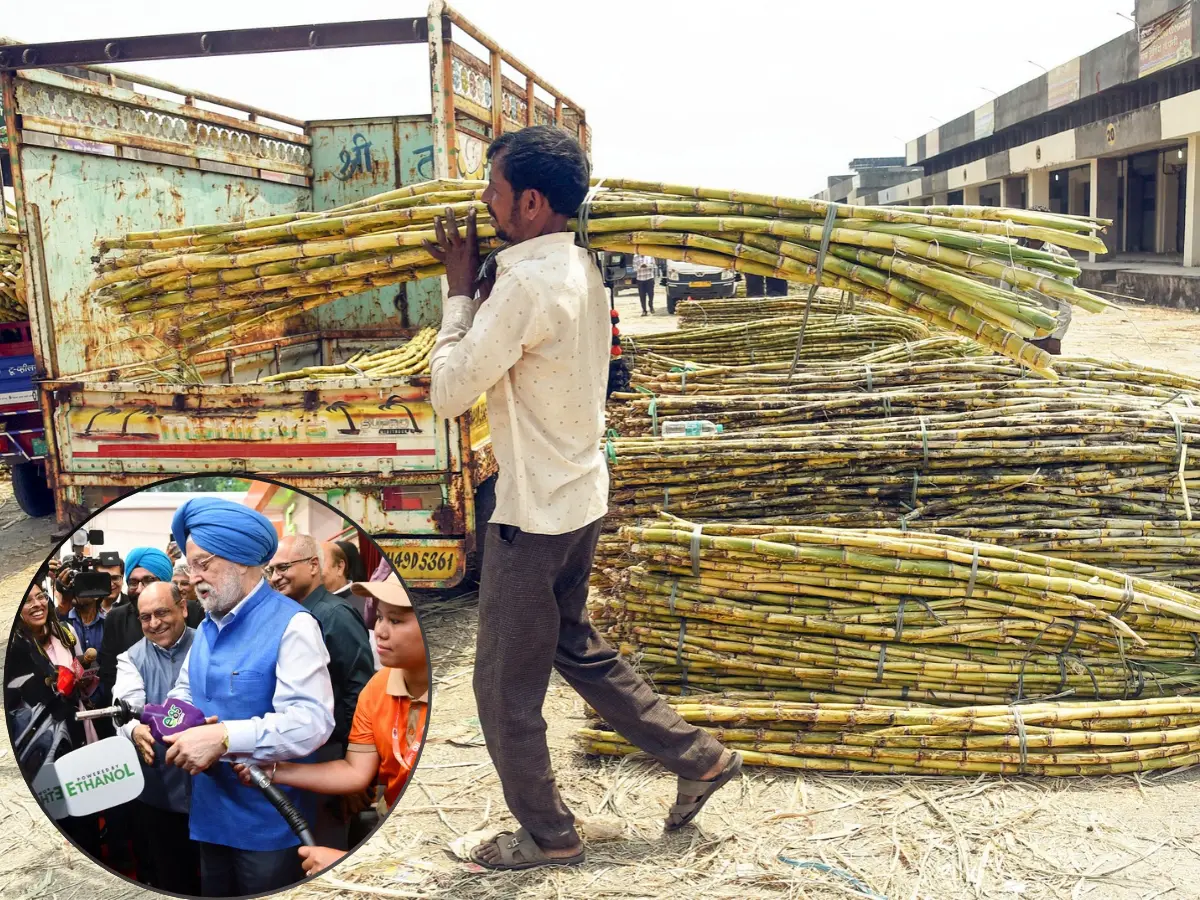
India Sugar Prices Rise as Government Rejects Ethanol Link
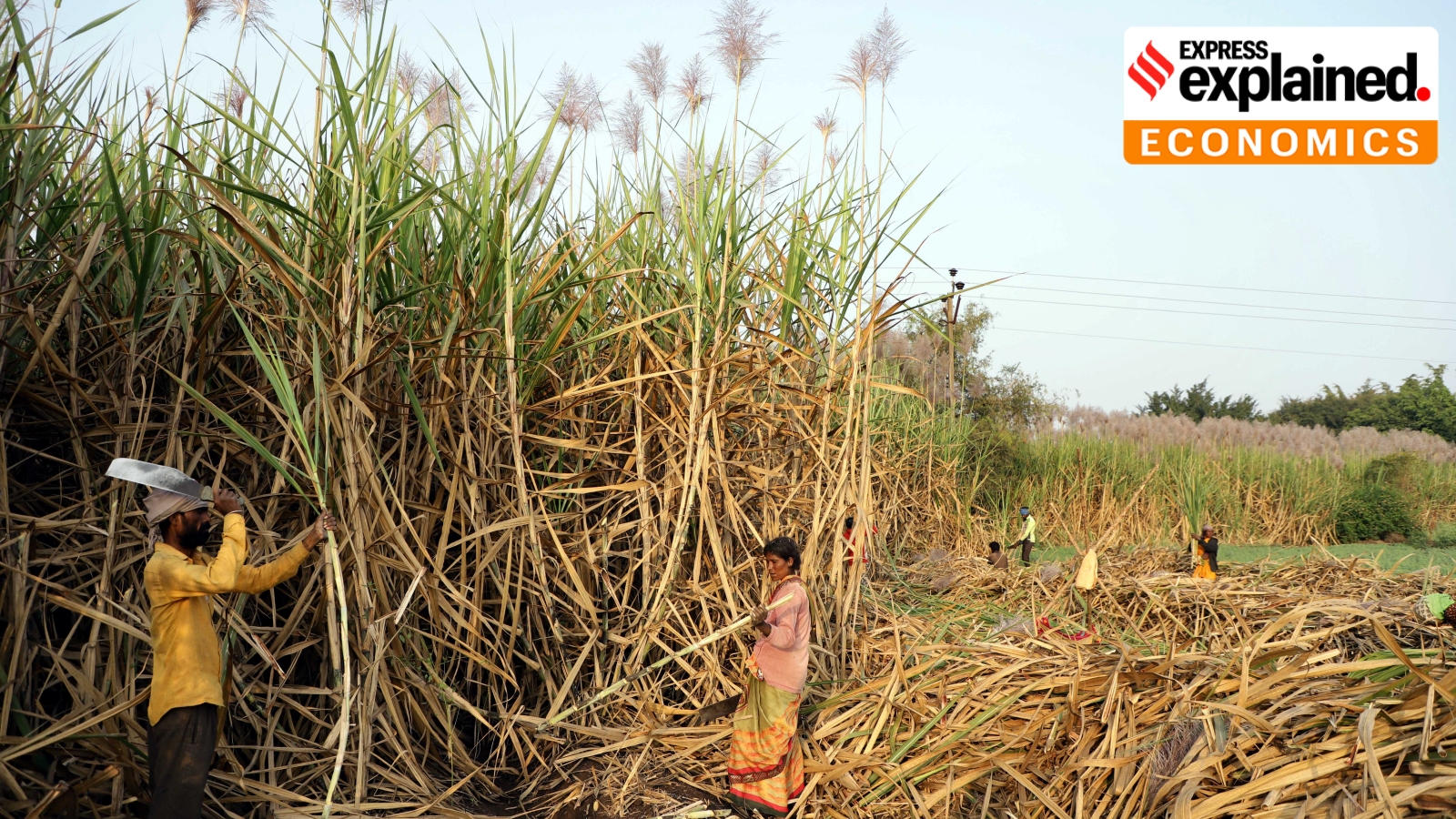
Centre Rejects Ethanol Diversion Link to Rising Sugar Prices
Government Rejects Ethanol Link, Blames Hoarding for India Sugar Surge

India’s Sugar Prices Surge as Demand, Weather and Speculation Weigh
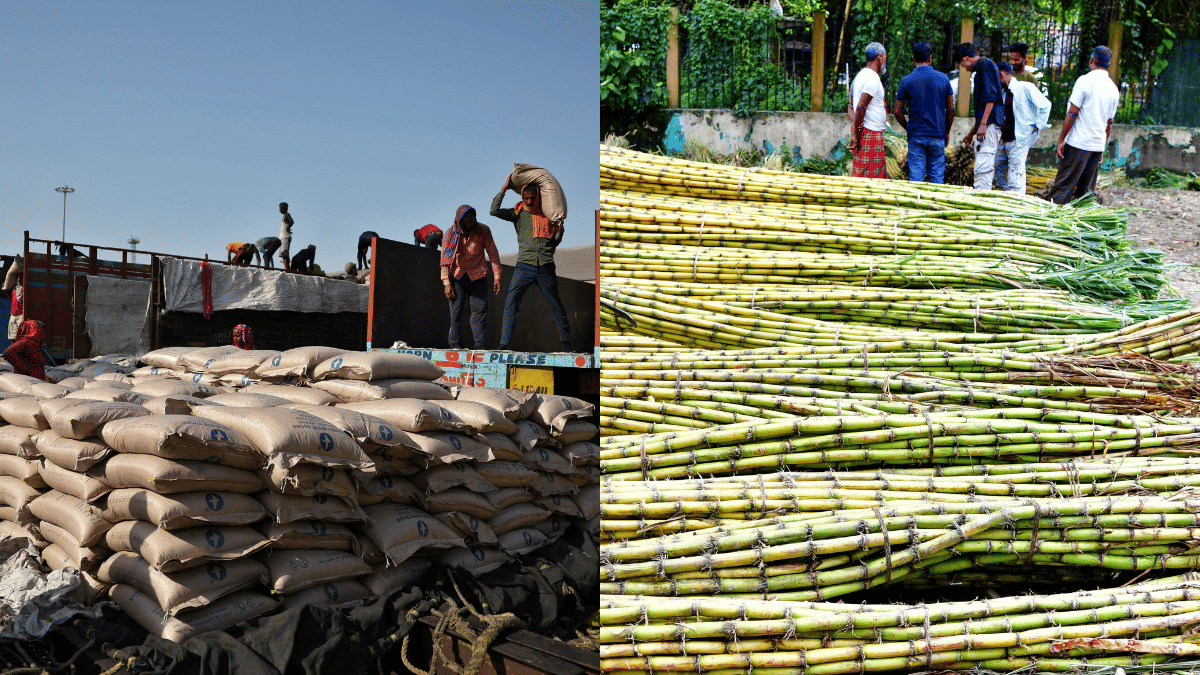
India’s Sugar Prices Surge Amid Supply Crunch, Speculation
Why India Suddenly Needs Sugar Imports as Prices Rise
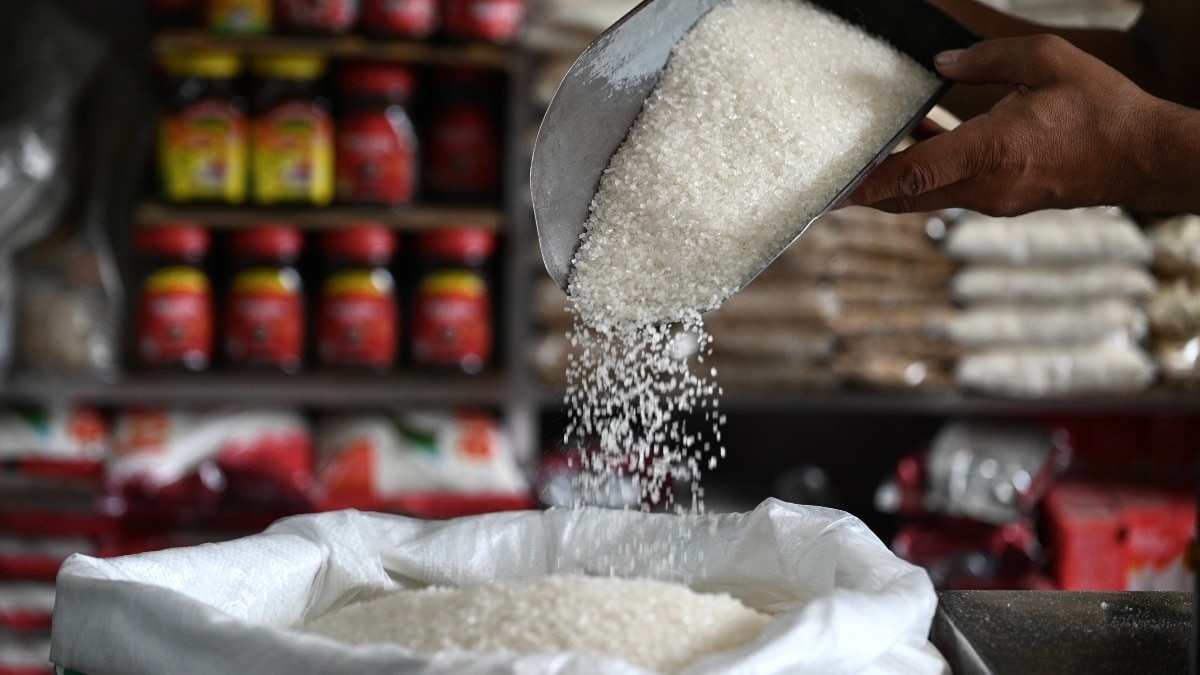
Sugar Industry Rejects Shortage Fears Ahead Of Festive Season

Centre Expands Rs 35 Onion Sales to 19 Cities

India Cuts Sugar Dealers’ Stock Limit Ahead of Festive Season
CBI Books FCI, NERAMAC Officials Over Subsidised Rice Diversion
Buffer Stock Release Sends Lasalgaon Onion Prices Lower