

1 week ago
Why Some Indian Brands Fade While Others Survive
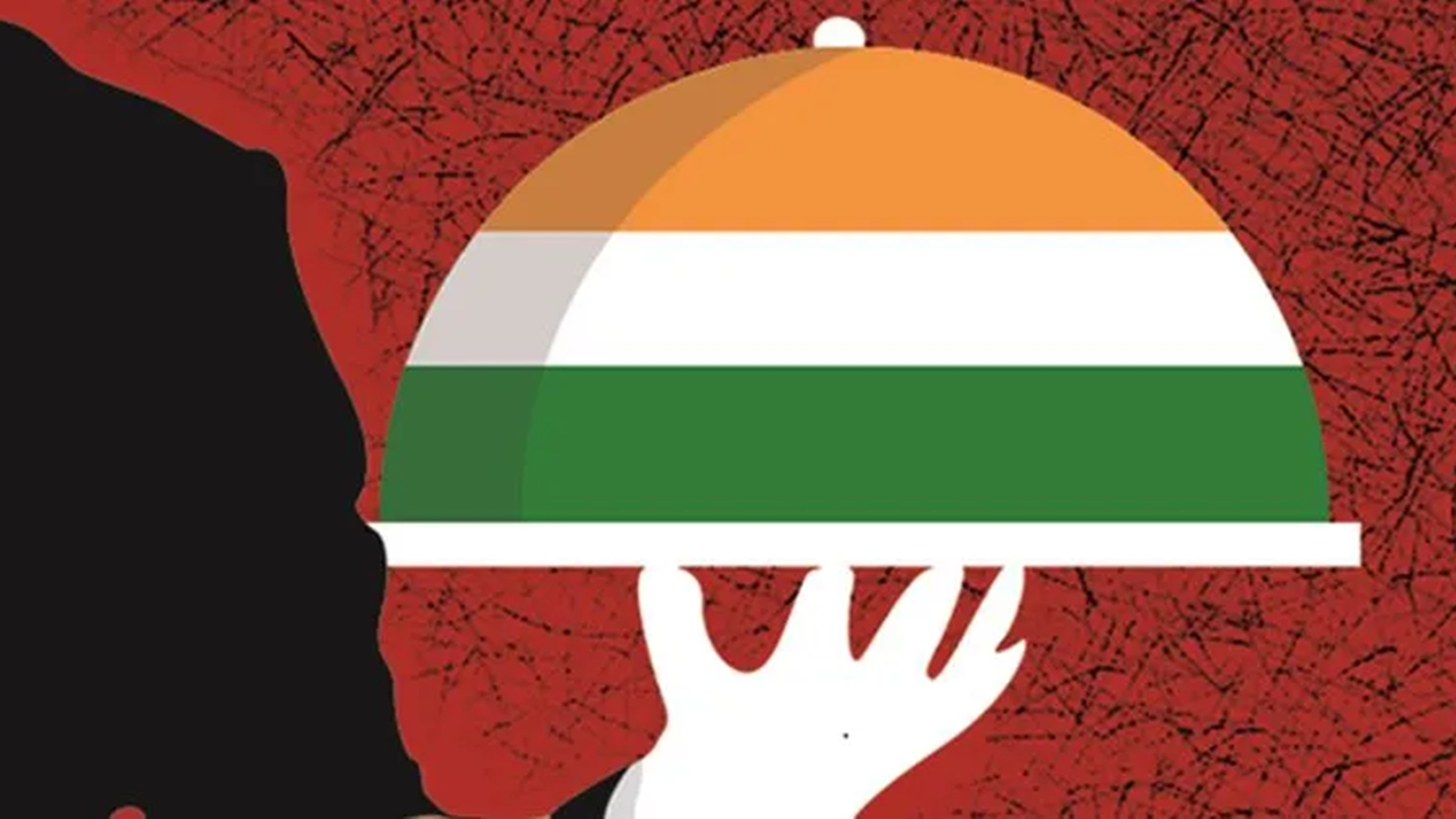
Some famous Indian brands became less popular because people’s needs changed.
Luna was useful when cars and motorcycles were difficult to afford, but rising incomes changed what people wanted.
Dalda lost appeal when people became concerned about hydrogenated fats.
Electronics brands such as Onida faced stronger foreign competition and rapidly changing technology.
Soft drinks such as Gold Spot and Citra struggled after Coca-Cola and Pepsi returned to India.
Campa Cola later received a new opportunity when Reliance acquired it.
Thums Up and Limca survived because consumers saw them as different from other drinks.
The main lesson is that old fame is not enough, so brands must keep finding ways to remain useful.

Luna lost relevance as rising incomes increased demand for motorcycles and cars.
Dalda declined as consumers became wary of hydrogenated fats and cooking habits changed.
Indian electronics brands such as Onida and Videocon struggled against Korean competitors, lower prices and faster technology changes.
Gold Spot and Citra faded after Coca-Cola and Pepsi returned to India’s soft-drink market.
Campa Cola, Thums Up and Limca show that brand equity, uniqueness and adaptation can help brands survive.
- Who
- Indian consumer brands including Campa Cola, Luna, Dalda, Onida, Gold Spot, Citra, Thums Up and Limca, along with companies such as Reliance and Hindustan Motors.
- What
- The article explains why some once-famous Indian brands declined while others survived, evolved or returned.
- Where
- India.
- When
- The examples span the 1970s and 1980s through the 2020s.
- Why
- Brands lost relevance because of changing incomes, technology, regulations, consumer preferences, competition and cultural attitudes; some survived through distinctiveness, adaptation or renewed investment.
Key facts
- Campa Cola
- The 1980s soft-drink brand was acquired by Reliance, which used its remaining brand equity to re-enter India’s soft-beverages market.
- Luna
- Its value proposition weakened as more consumers could afford motorcycles and cars.
- Dalda
- The vanaspati brand declined as nutritional understanding changed and consumers became suspicious of hydrogenated fats.
- Consumer electronics
- BPL, Videocon, Solidaire and Onida faced global supply chains, Korean brands, falling prices and rapidly evolving technology.
- Ambassador
- The car’s position was challenged by Maruti and later global automakers offering better technology, reliability and efficiency.
- Soft drinks
- Gold Spot and Citra faded after Coca-Cola and Pepsi returned to India, while Thums Up and Limca survived.
- Brand survival
- The article argues that surviving brands must continue finding a reason to remain relevant.
Sources
Related news

LG India's Sanjay Chitkara: Long-Lasting Appliances Opportunity, Not Threat
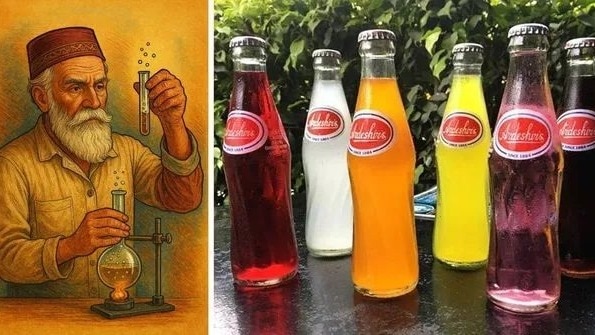
Pune’s 142-Year-Old Soda Brand Survives Beyond Coca-Cola
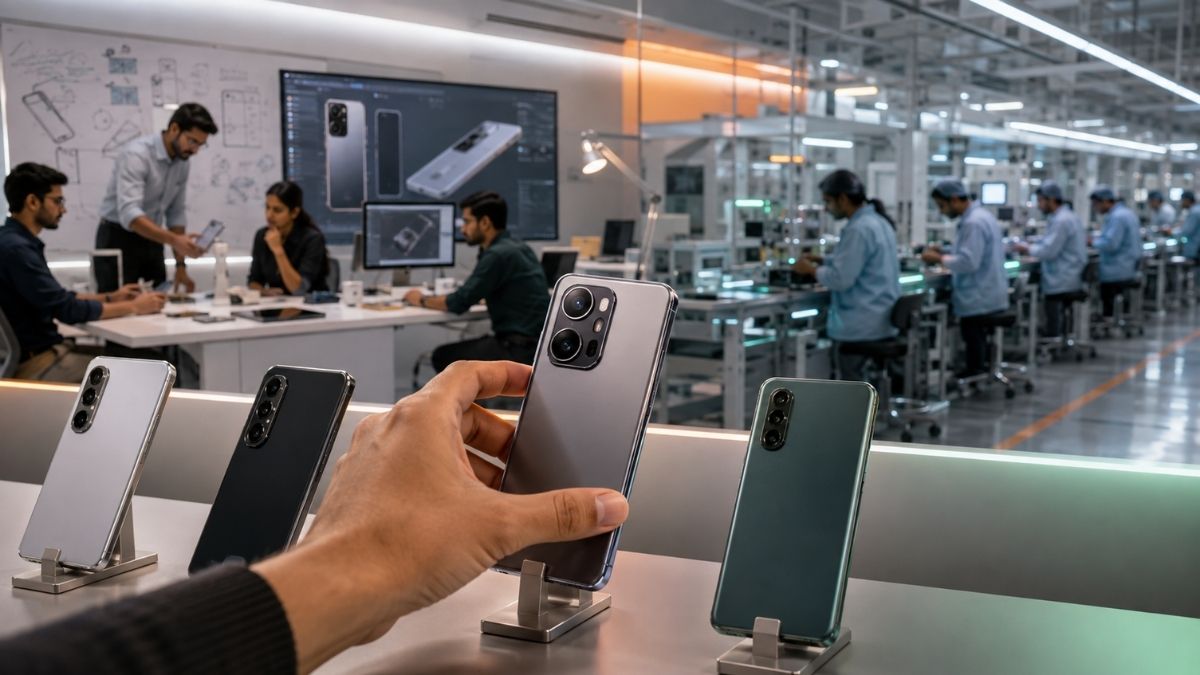
India's New Smartphone Scheme Faces Consumer Product Test

Colgate’s New CEO Faces India’s Changing Toothpaste Market
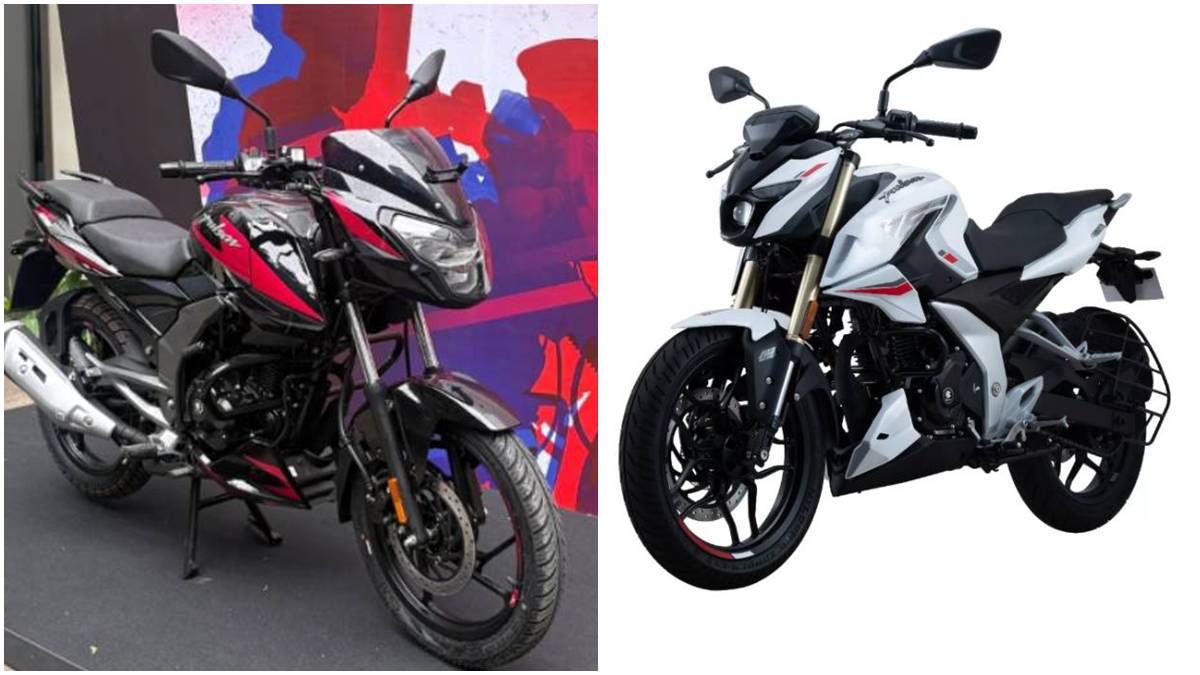
Bajaj Pulsar Refreshes Legacy Brand for Its Next Growth Phase
Andhra Pradesh High Court sets aside Samsung screen labelling case

Last Chance Tonight: Top Smart TV Deals on Amazon.in
Onida reboots growth with iconic Devil mascot
