1 day ago
India’s New UPI MDR Fee Sparks Debate Over Customer Costs
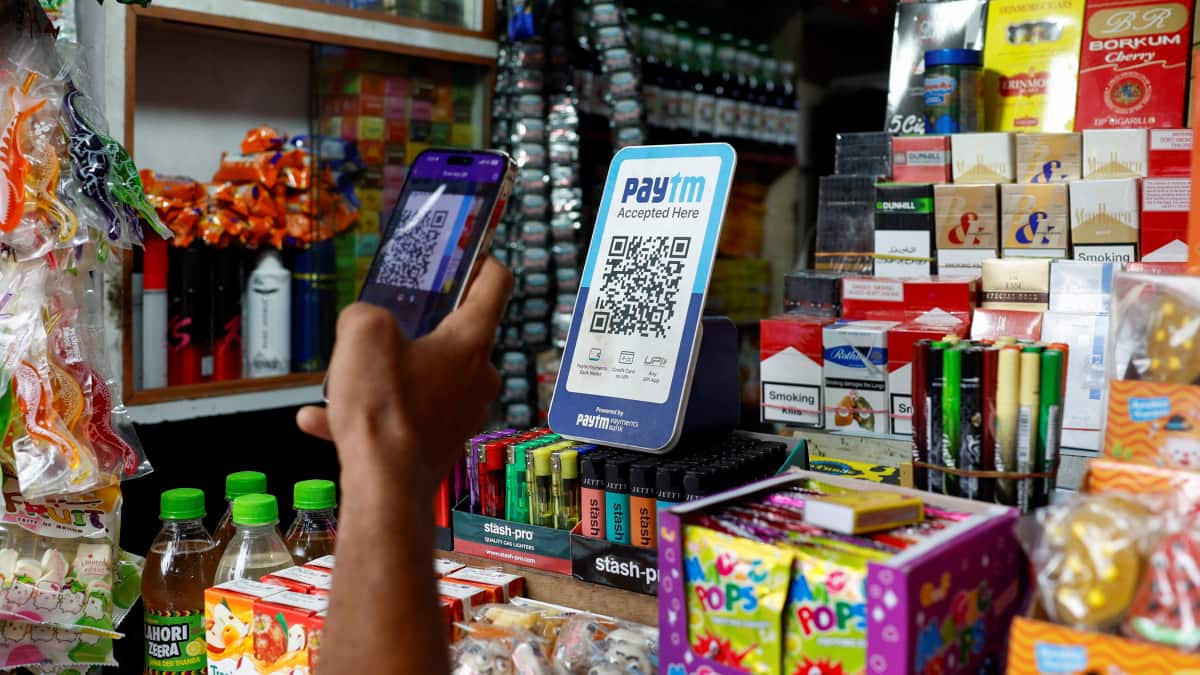
UPI is a way to pay businesses using a phone.
Under the new rule, businesses must pay a small fee when customers make UPI payments above Rs 2,000.
The usual fee is 0.4 per cent of the payment.
It cannot be more than Rs 300 for payments of Rs 75,000 or more.
Customers are officially not supposed to pay this fee.
Payments to friends and family will remain free.
Some essential services will have a fixed Rs 5 fee instead.
Critics worry that some businesses may increase prices or prefer cash.
The government says the money will help maintain and improve the UPI system.

From October 15, UPI person-to-merchant payments above Rs 2,000 will carry a merchant-paid MDR.
The standard MDR is 0.4 per cent, capped at Rs 300 for transactions of Rs 75,000 and above.
Customers are not supposed to pay the MDR, and person-to-person UPI transfers remain free.
Essential services will face a flat Rs 5 MDR, while securities-related payments will face 0.02 per cent MDR.
Critics fear merchants may pass on the cost or favor cash, while the government says the fee supports UPI infrastructure and security.
- Who
- The Indian government, merchants, banks and payment processors are involved; critics include Rahul Gandhi, Ashneer Grover and the Retailers Association of India.
- What
- A new Merchant Discount Rate framework will charge merchants on certain UPI person-to-merchant payments above Rs 2,000.
- Where
- The framework applies to UPI transactions in India.
- When
- The new rules are scheduled to take effect on October 15; the article says the relevant circular was issued on September 15, 2026.
- Why
- The government says the fee will help compensate the UPI ecosystem and support infrastructure, innovation, cybersecurity and customer service.
Government and Payment Ecosystem Rationale
Critics and Retailer Concerns
Purpose of the fee
Government and Payment Ecosystem Rationale
The government says MDR will distribute funds within the UPI ecosystem to support infrastructure resilience, innovation, cybersecurity and customer service.
Critics and Retailer Concerns
Critics question why a previously free payment system needs a new fee and argue that the levy should be clearly described as a tax if its cost ultimately affects users.
Who bears the cost
Government and Payment Ecosystem Rationale
The framework says merchants, rather than customers, will pay the MDR, with no payment passed on to customers.
Critics and Retailer Concerns
Ashneer Grover, Rahul Gandhi and the Retailers Association of India warn that merchants could pass on the cost, hurt smaller retailers with thin margins or prefer cash.
Key facts
- Standard MDR
- 0.4 per cent on direct UPI person-to-merchant payments above Rs 2,000.
- MDR cap
- Rs 300 for transactions of Rs 75,000 and above.
- Customer impact
- The rules state that the MDR will not be passed on to customers.
- Essential services
- Railways, telecommunications, insurance, fuel, utilities, education and agricultural inputs will face Rs 5 per transaction.
- Securities payments
- Mutual funds, securities, stockbrokers and dealers will face 0.02 per cent MDR, capped at Rs 300.
- Exemptions
- Person-to-person payments and automated recurring UPI payments, including bills and subscriptions, will not face MDR.
- Recent UPI activity
- UPI processed 24.51 billion transactions worth Rs 29.90 lakh crore in August 2026, according to the article.
Quotes
Ashneer Grover
Former BharatPe cofounder and critic of the UPI MDR framework
“Then call it tax. Why are you calling it a ‘charge’, ‘MDR’, or claiming that it won’'t affect the customer?”
 firstpost.com
Sources
Related news

UPI MDR Begins October 15, Merchants Face Charges, Customers Don’t

UPI Sets 0.4% MDR on High-Value Merchant Payments

India Adds UPI Merchant Fees Above ₹2,000
New UPI MDR Charge Sparks Debate Over Merchant Costs

New UPI MDR Rules Keep Consumers Free, Charge Eligible Merchants

India Plans Daily Monitoring of New UPI Merchant Fee
FMCG Companies Trim Pack Sizes to Hold Prices Amid Costs

Small Retailers Resist UPI MDR as Cash Payments Loom

Sugar Spike Threatens FMCG Margins Ahead of Festive Season