14 hrs ago
Opinion: Religious Data Drive Could Shape India’s Future

A government committee has asked Indian states for information covering the past 15 years.
It wants figures about births, schools, property and identity documents, sorted by religion.
The article’s author says comparing these records could help spot unusual changes over time.
The author believes this could help protect public benefits, voting lists and tribal land.
Some political groups disagree with the committee’s request.
The CPI(M) asked Tamil Nadu not to answer, and Congress leader Jairam Ramesh criticized the initiative.
The author points out that earlier Indian governments also studied religious communities for policy purposes.
The article is an opinion piece, so its claims and arguments represent the author’s view.

The High-Level Committee on Demographic Changes, chaired by retired judge Prakash Prabhakar Naolekar, requested 15 years of religion-wise data from Indian states.
The requested records include births, school enrolments, property transactions, Aadhaar cards and voter IDs.
The author argues that comparing data across years and sources could help identify unusual patterns and protect welfare systems, electoral rolls and tribal land.
The CPI(M) urged Tamil Nadu to boycott the committee’s questionnaire, while Congress leader Jairam Ramesh called its agenda “patently diabolical.”
The author cites the Sachar Committee and Rangnath Mishra Commission as earlier examples of religion-related data and minority-focused policy work.
- Who
- The High-Level Committee on Demographic Changes, chaired by retired Supreme Court judge Justice Prakash Prabhakar Naolekar; Indian state governments were asked to provide data.
- What
- The committee requested 15 years of religion-wise information on births, school enrolments, property deals and identity documents.
- Where
- India; the article also refers to Jammu, Assam and Jharkhand.
- When
- The article was published on October 4, 2026; the committee’s request concerns a 15-year period.
- Why
- According to the author, the data could help identify demographic patterns and support protection of welfare systems, electoral rolls and land.
Critics’ concerns
Author’s case for the data drive
Purpose and implications of collecting religion-wise data
Critics’ concerns
The article reports that the CPI(M) called for Tamil Nadu to boycott the questionnaire and that Congress leader Jairam Ramesh criticized the committee’s agenda. It also notes that state officials have said departments do not ordinarily maintain much of the requested information by religion.
Author’s case for the data drive
The author argues that religion-wise data is not unprecedented and says a 15-year, cross-referenced record could help identify patterns relevant to public benefits, electoral rolls and land protection.
How to interpret demographic changes
Critics’ concerns
The article records political opposition to the committee’s initiative, but does not provide a detailed account of critics’ reasoning beyond the objections quoted and summarized.
Author’s case for the data drive
The author contends that looking across several records and years can distinguish sustained patterns from one-off changes and may help detect irregular documentation or cross-border inflows.
Key facts
- Committee
- High-Level Committee on Demographic Changes (HLCDC)
- Chair
- Retired Supreme Court judge Justice Prakash Prabhakar Naolekar
- Data period sought
- 15 years
- Requested data
- Religion-wise information on births, school enrolments, property deals, Aadhaar cards and voter IDs
- CPI(M) response
- Urged the Tamil Nadu government to boycott the questionnaire
- Congress response
- Jairam Ramesh described the committee’s agenda as “patently diabolical”
- Earlier initiatives cited
- The Sachar Committee and Rangnath Mishra Commission
Sources
Related news

VHP Defends Demographic Study as Owaisi Warns of Targeting
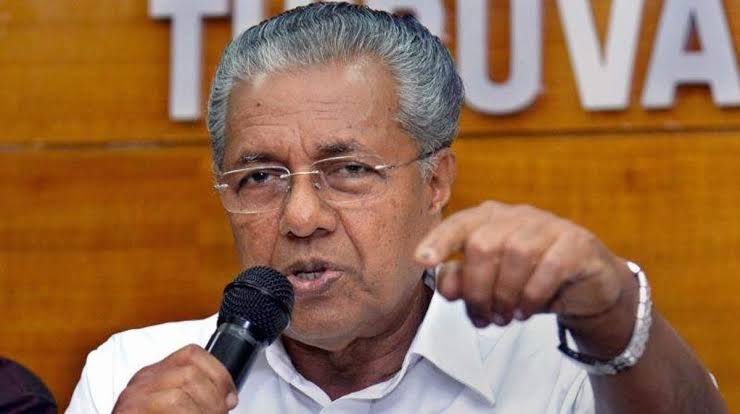
Pinarayi Vijayan Calls Demography Panel Questionnaire Divisive Sangh Parivar Agenda

Tamil Nadu Congress Launches Campaign Over Proposed Caste Census Method
Congress Seeks Verified State Caste Lists for 2027 Census
RSS Calls for Nationwide NRC Amid Census and SIR Debate

Bhatti Calls for Caste Census to Promote Equitable Wealth Sharing
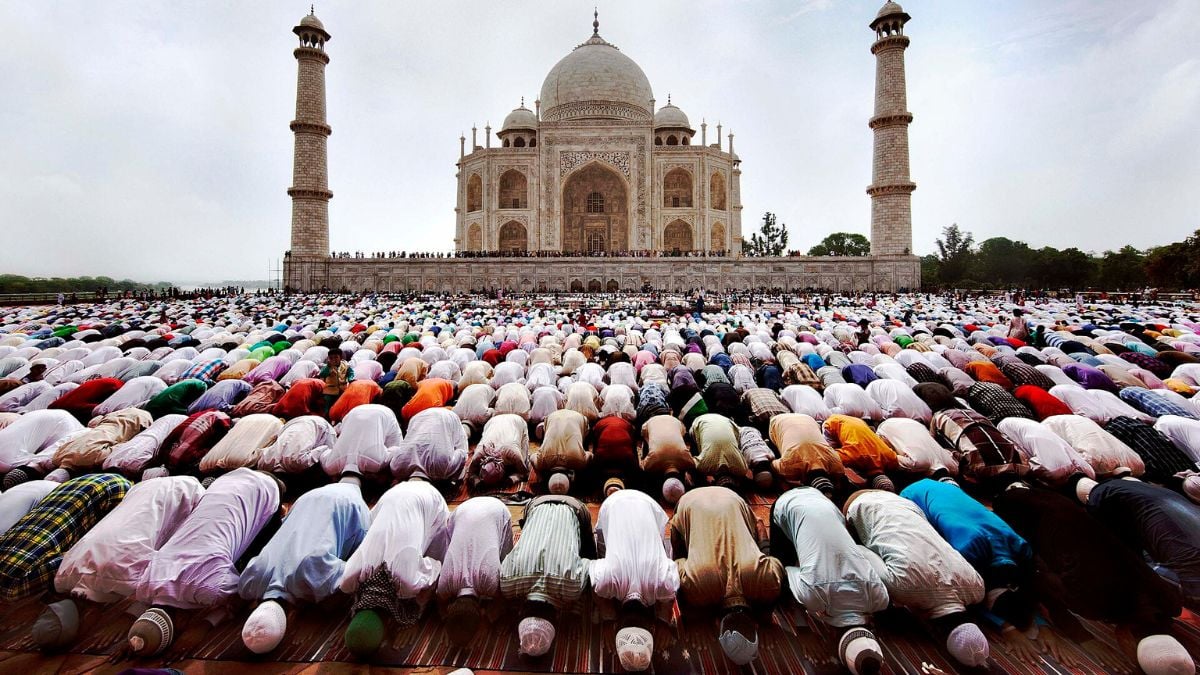
From Shah Bano to Waqf: Muslim Politics Produces Intermediaries

Hijab Classroom Dispute Raises Wider Questions About Education Access