

3 weeks ago
India's Energy Security Needs State-Owned Oil Firms and Strategic Reserves
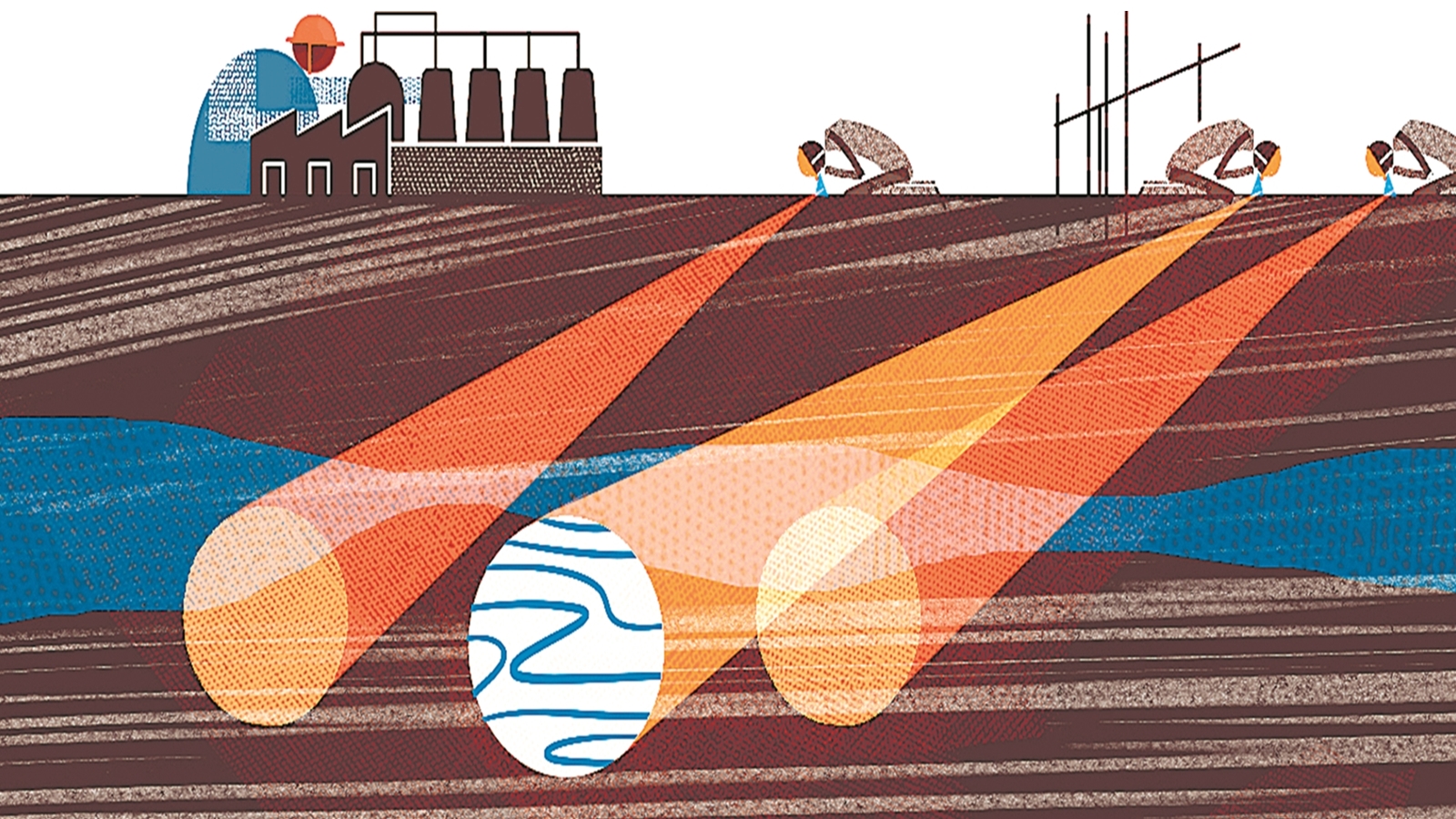
India needs a lot of oil and gas to keep cars moving and power on, and it buys much of that oil from other countries.
Some people think India should sell its big oil companies to private businesses.
This article says that would be a bad idea.
It explains that when the government owns oil companies, it can use them to keep the country safe during hard times.
For example, these companies can keep producing oil even when it is not making much money.
The article also says India should build big underground oil storages.
These storages work like an emergency pantry, keeping oil ready in case supplies stop.
India has also been mixing ethanol, which comes from plants, into petrol, and that has already saved a lot of money and reduced pollution.
The article says the best plan is to do both: keep the government companies and build more backup storage.

A former ONGC chairman argues India should keep ONGC and Oil India state-owned and expand strategic petroleum reserves rather than privatise the companies.
The piece responds to Vikram S Mehta's column asking whether India should privatise ONGC and Oil India amid geopolitical uncertainty.
ONGC holds about an eighth of Petronet LNG and a seventh of IOC, and privatisation would weaken government influence over roughly 40 MMtoe of domestic oil and gas production.
Finding costs in ONGC's focus areas, including the Godavari, Mahanadi and Andaman basins, could reach $60-80 a barrel while forward Brent nears $70.
Ethanol blending has reached 20 per cent ahead of the 2030 target, displacing 310 lakh tonnes of imported crude and saving over Rs 1.90 lakh crore in foreign exchange.
- Who
- The article's author, a former chairman and managing director of ONGC who is unnamed in the text, responding to a column by Vikram S Mehta.
- What
- An argument that India should retain ONGC and Oil India as state-owned producers while expanding strategic petroleum reserves, rather than treat privatisation and reserves as an either-or choice.
- Where
- India
- When
- Not clearly stated; the article responds to a column published on August 3 by Vikram S Mehta.
- Why
- To strengthen India's energy security amid geopolitical uncertainties and potential supply disruptions.
Privatisation view
Public-sector view
Ownership of ONGC and Oil India
Privatisation view
Vikram S Mehta's column asks whether India should privatise ONGC and Oil India amid recent geopolitical uncertainties.
Public-sector view
The author argues government ownership lets PSUs pursue broader national objectives, whereas private companies are guided by shareholder interests and the bottom line.
Strategic reserves vs domestic production
Privatisation view
The column is described as treating the continuity of ONGC and OIL as state-owned entities and strategic petroleum reserves as an either-or question.
Public-sector view
The author argues reserves and domestic production serve different but complementary purposes, and India needs both to withstand supply disruptions.
Commercial viability of discoveries
Privatisation view
With finding costs in ONGC's focus areas as high as $60-80 a barrel and forward Brent near $70, even a discovery may not be commercially viable.
Public-sector view
Geology and the forward curve are indifferent to the shareholding pattern; a barrel not commercially viable for PSUs will not be viable for a private entity either.
Key facts
- Finding costs (ONGC focus areas)
- $60-80 per barrel
- Forward Brent price
- Near $70 per barrel
- ONGC stake in Petronet LNG
- About one-eighth
- ONGC stake in IOC
- About one-seventh
- Offshore no-go areas cleared
- 99 per cent
- Area opened for exploration
- Nearly 1 million sq km
- Ethanol blending level
- 20 per cent, ahead of the 2030 target
- Crude displaced by ethanol blending
- 310 lakh tonnes
Sources
Related news

PM Narendra Modi urges energy self-reliance amid resource weaponisation warnings

India plans new strategic petroleum reserves in Rajasthan, Madhya Pradesh

India doubles LNG sourcing to 15 nations amid supply risks
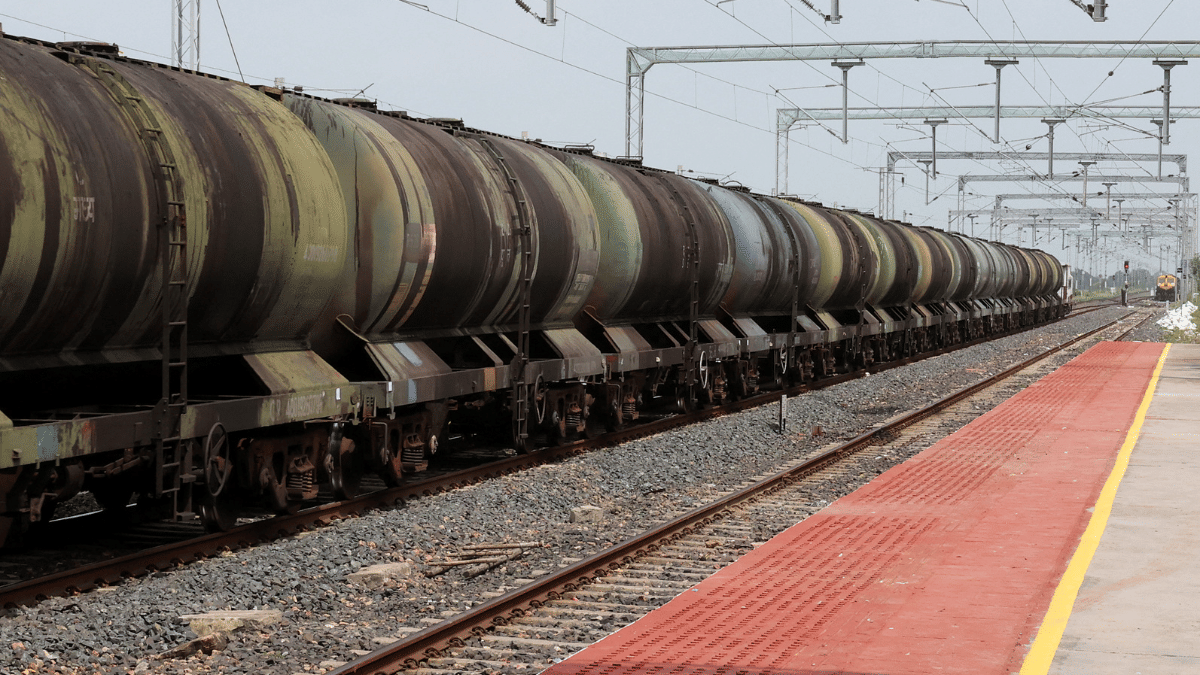
Parliament panel urges 90-day crude oil reserves, flags expansion delays

Supreme Court Allows Oil India Fresh Plea On Drilling

OIL Green Energy Signs Haryana Waste-to-Energy Agreements

Haryana Signs MoUs for Four Waste-to-Energy Plants by 2028
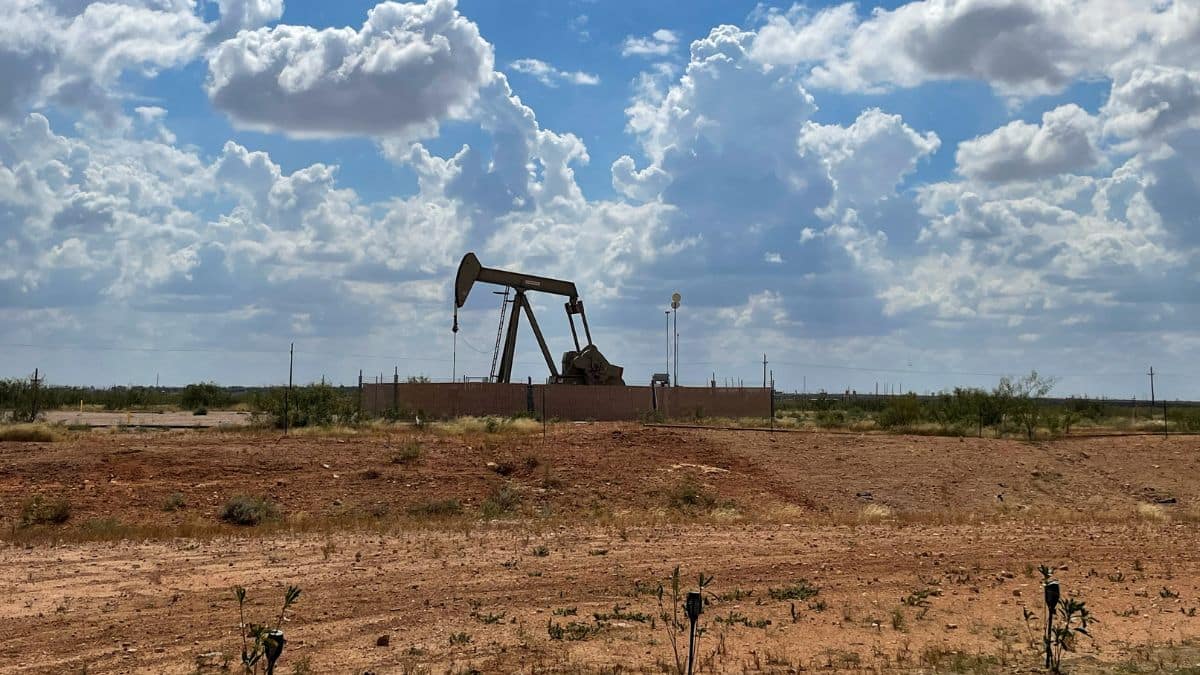
India’s Samudra Manthan Funds Deepwater Exploration to Cut Oil Imports

Energy Leaders Launch MC²+ Ignite Deep-Tech Accelerator for India
