

3 weeks ago
Parliament panel urges 90-day crude oil reserves, flags expansion delays
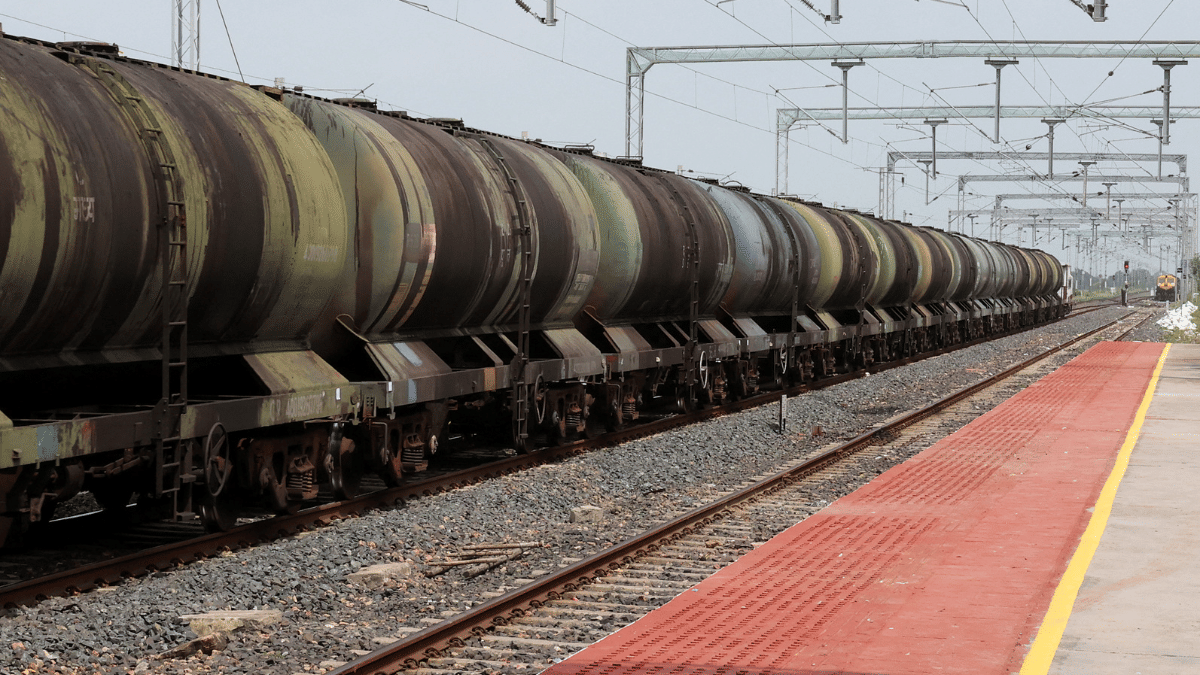
India buys a lot of oil from other countries to keep its cars, trucks and factories running.
If that supply is suddenly cut off, the country could get into trouble.
One way to stay safe is to store extra oil in big underground tanks.
Many countries follow a rule of keeping enough oil for 90 days.
Right now, India's special tanks can hold only about nine days' worth of oil.
A group of Indian lawmakers called a parliamentary committee is asking the government to build more storage tanks.
The government already approved two new storage sites, but the work has been slow and the money was reduced.
The lawmakers want the government to spend the money it was given and finish the work on time.
Having more stored oil gives India more time to find other suppliers if something goes wrong.

India's parliamentary standing committee urged the government to achieve the global benchmark of 90 days of crude oil storage to protect energy security.
India's current strategic reserves of 5.33 MMT at Visakhapatnam, Mangaluru and Padur cover only about nine days of the country's crude requirement, with oil marketing companies holding another 65 days.
The committee flagged repeated cuts to Phase 2 strategic petroleum reserve funding, including a reduction from Rs 508 crore to Rs 40 crore in 2023-24 and from Rs 408 crore to Rs 30 crore in 2024-25.
Phase 2 projects approved in July 2021, a 4 MMT facility at Chandikhol and a 2.5 MMT facility at Padur, face delays in land acquisition, bidding and public-private partnership processes.
The government reported 400 acres acquired at Chandikhol and a Padur-II concessionaire agreement signed on 1 October 2025, with new projects at Bikaner and Bina under consideration.
- Who
- The Standing Committee on Petroleum and Natural Gas and India's petroleum ministry, with Indian Strategic Petroleum Reserves Limited (ISPRL) managing the storage facilities.
- What
- The committee urged India to reach the 90-day crude oil storage benchmark and flagged delays and repeated budget cuts in expanding strategic petroleum reserves.
- Where
- New Delhi, where the report was tabled; India's existing SPR sites at Visakhapatnam, Mangaluru and Padur, and planned facilities at Chandikhol, Bikaner and Bina.
- When
- The report on the Demand for Grants 2026-27 was tabled in Parliament on Wednesday, reviewing allocations from 2023-24 to 2026-27.
- Why
- To protect India's energy security from geopolitical disruptions and global supply shocks, given that India is the world's third-largest oil importer.
Parliamentary Committee
Government / Petroleum Ministry
Pace of strategic reserve expansion
Parliamentary Committee
The committee says expansion is too slow: budget allocations have been repeatedly scaled down, and funds for projects of strategic national importance should be fully utilised with milestones met on time.
Government / Petroleum Ministry
The government attributes delays to finalising the bidding process, land acquisition and steps under the public-private partnership framework, citing progress such as 400 acres acquired at Chandikhol and a signed Padur-II concessionaire agreement.
Key facts
- Current strategic reserve capacity
- 5.33 MMT across Visakhapatnam, Mangaluru and Padur
- Coverage
- About 9 days of crude requirement from SPR; oil marketing companies hold another 65 days
- Phase 2 approval
- July 2021; two facilities totalling 6.5 MMT (Chandikhol 4 MMT, Padur 2.5 MMT)
- 2024-25 budget allocation
- Cut from Rs 408 crore to Rs 30 crore; Rs 17.25 crore spent
- 2026-27 allocation
- Rs 20 crore
- Padur-II concessionaire agreement
- Signed 1 October 2025; financial closure in progress
- Chandikhol land acquired
- 400 acres; request for proposal under review
- IEA benchmark
- 90 days of net oil imports for member countries; India is not a full IEA member
Quotes
Standing Committee on Petroleum and Natural Gas
Parliamentary standing committee on petroleum and natural gas
“"The committee also urges (the Ministry) that the global standard of maintaining 90 days of crude oil storage within the country for strengthening the nation’s energy security may be achieved as soon as feasible."”
 theprint.in
Sources
Related news

India plans new strategic petroleum reserves in Rajasthan, Madhya Pradesh

India doubles LNG sourcing to 15 nations amid supply risks

India's Crude Oil Bill Jumps 26% Despite Buying Less Oil
IOC, HPCL rush to secure crude cargoes through November
India Weighs LPG, Gas Levies to Fund $42 Billion Reserve

BPCL, CSE Partner on Biofuels and Circular Economy
Bhopal GRP Recovers ₹62.26 Lakh in Train Theft Crackdown
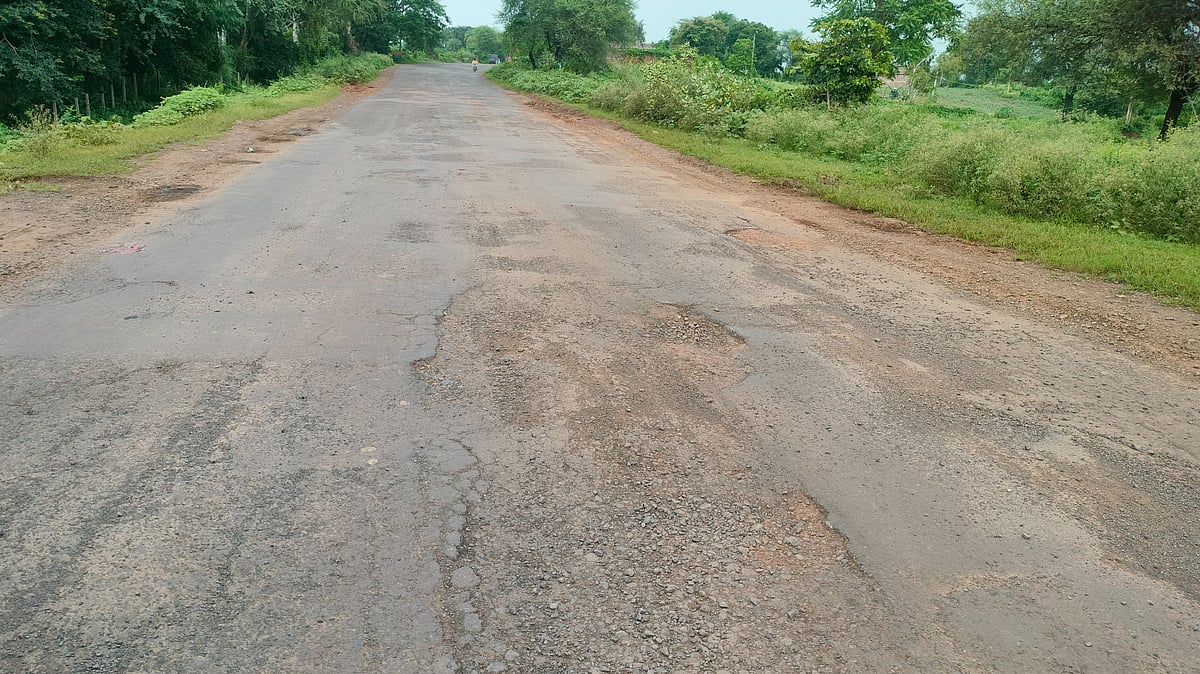
Pothole-Riddled Sironj-Kurwai-Bina Road Sparks Toll Collection Anger Among Residents

Railways Add Special Train To Manage Raksha Bandhan Rush
Railways Announce Train Cancellations Amid Agasod Yard Remodelling
