2 days ago
OIL Green Energy Signs Haryana Waste-to-Energy Agreements

OIL Green Energy has made agreements with four municipalities in Haryana, India.
The agreements are for building four projects that process city waste.
Together, the projects could handle 5,000 tonnes of waste every day.
First, the waste will be separated so recyclable materials can be recovered.
Wet waste, such as biodegradable material, will be turned into Compressed Biogas, or CBG.
Dry waste that cannot be recycled will be used to make electricity.
The projects are expected to produce 70–75 tonnes of CBG and about 50 megawatts of green power each day.
The plan is meant to reduce landfill use and support cleaner energy and better waste management.

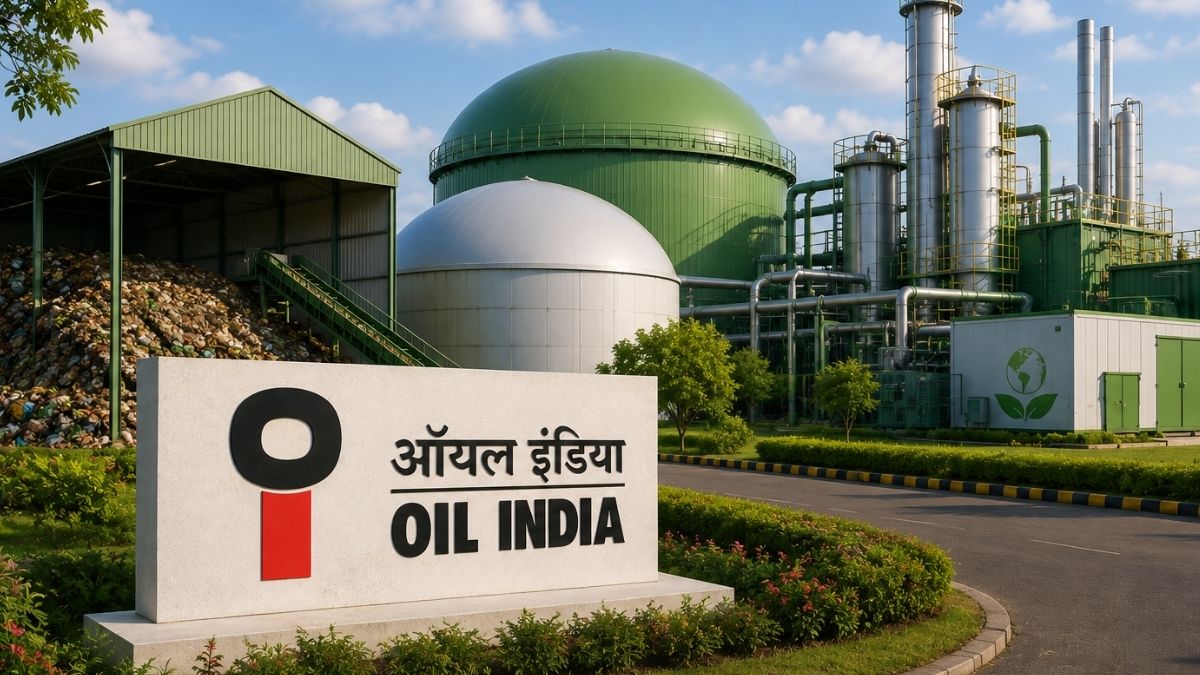
OIL Green Energy Limited signed MoUs with municipalities in Gurugram, Faridabad, Hisar and Ambala.
The four projects will collectively process 5,000 tonnes of municipal solid waste daily.
The proposed facilities are expected to produce 70–75 tonnes of Compressed Biogas and 50 MW of green power daily.
Recyclables will be recovered, wet waste converted into CBG and non-recyclable dry waste used to generate electricity.
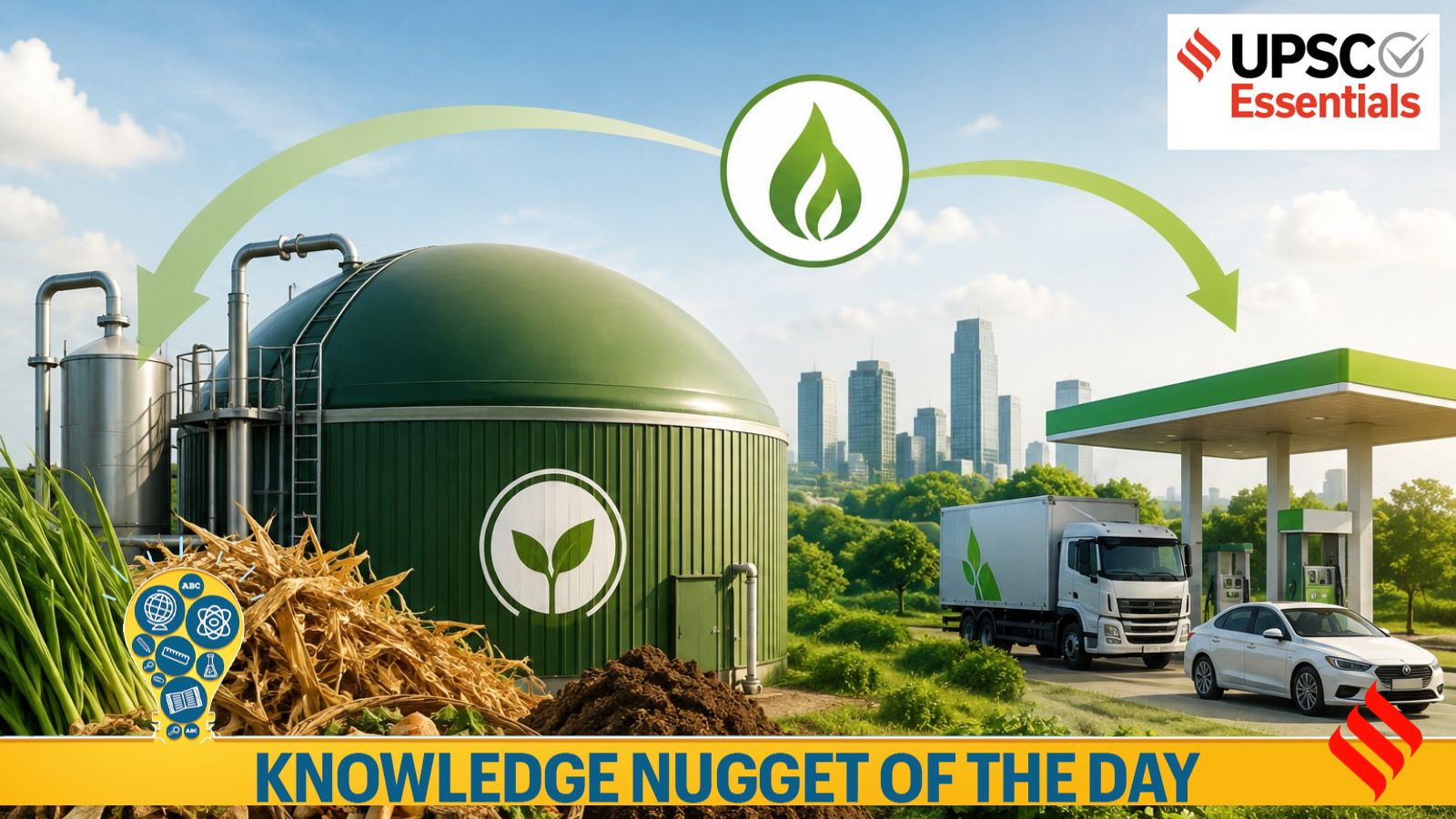
The initiative supports Haryana’s waste-management efforts and aligns with the GOBARdhan National Circular Bioenergy Scheme 2026.
- Who
- OIL Green Energy Limited, a wholly owned subsidiary of Oil India Limited, and municipalities in Gurugram, Faridabad, Hisar and Ambala.
- What
- They signed MoUs to develop four integrated Compressed Biogas and Waste-to-Energy projects with a combined capacity of 5,000 tonnes of municipal solid waste per day.
- Where
- The projects are planned in the Hisar, Ambala, Faridabad and Gurugram clusters of Haryana, India.
- When
- The articles do not specify the date of the MoUs; they were signed in the presence of Haryana Chief Minister Nayab Singh Saini and other officials.
- Why
- To improve scientific and sustainable waste management, recover recyclable materials, reduce dependence on landfills and produce CBG and green electricity.
Key facts
- Project locations
- Hisar, Ambala, Faridabad and Gurugram clusters in Haryana
- Combined processing capacity
- 5,000 tonnes of municipal solid waste per day
- Individual capacities
- Hisar: 500 TPD; Ambala: 900 TPD; Faridabad: 1,600 TPD; Gurugram: 2,000 TPD
- Expected CBG output
- 70–75 tonnes per day
- Expected green power
- Approximately 50 MW
- Processing model
- Scientific pre-processing and segregation, recycling, CBG production from wet waste and electricity generation from non-recyclable dry waste
- Policy alignment
- Government of India’s GOBARdhan – National Circular Bioenergy Scheme 2026
- Oil India share performance
- Oil India’s share price was trading flat intraday and had risen 13.16% so far that year
Quotes
OIL/OGEL statement
Statement issued by Oil India Limited and its subsidiary OIL Green Energy Limited
“The projects envisage an integrated waste processing and resource-recovery approach, wherein municipal solid waste will undergo scientific pre-processing and segregation to maximise resource recovery.”
 thestatesman.com
Sources
Related news

Haryana Signs MoUs for Four Waste-to-Energy Plants by 2028
Cabinet approves Rs 23,731-crore GOBARdhan scheme to boost CBG production
Cabinet approves Rs 23,731 crore GOBARdhan scheme for biogas fuel

Cabinet Approves GOBARdhan Bioenergy Scheme and Guwahati-Tezpur Highway
Cabinet Clears Rs 23,731 Crore GOBARdhan Scheme to Boost Biogas

India’s Rs 23,731 Crore GOBARdhan Scheme Fuels CBG Investment Debate

Haryana Records Highest SGST Growth Among States in 2026-27
Haryana sanitation workers’ strike puts BJP government under pressure
Hooda Accuses Haryana Government of Evading Assembly Questions

Four-Time India Gold Medallist Drives Cab Amid Support Wait

Tamil Nadu Police Arrest Suspect in Two Chennai ATM Robberies