2 hrs ago
How Matcha Became a Modern Lifestyle Trend Beyond Ancient Tea
Matcha is a bright green powdered tea with a very long history.
It began in China during the Song dynasty.
Buddhist monks helped bring the practice to Japan, where it became part of tea ceremonies.
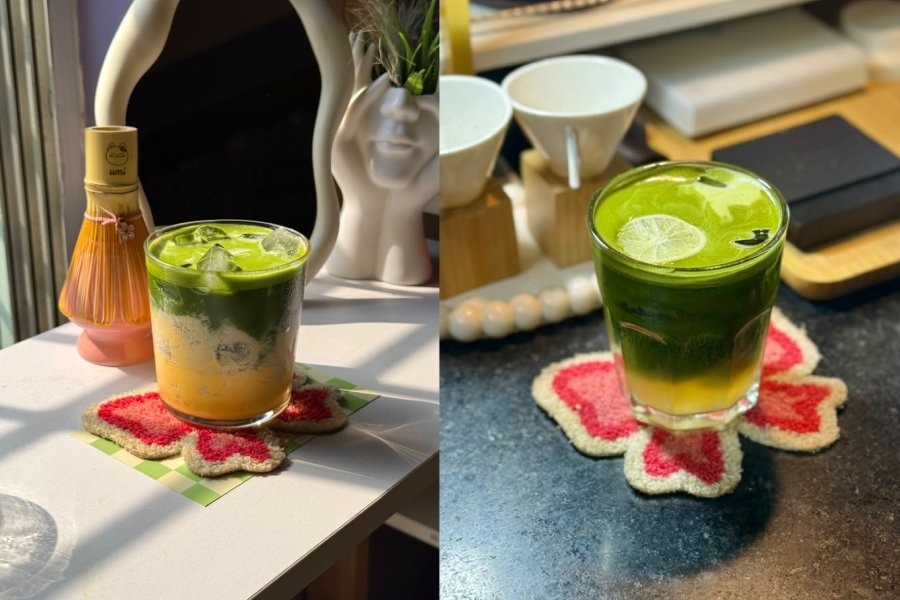
Today, people often drink matcha with milk, ice or sweet flavors instead of preparing it traditionally.
Many people like it because it contains caffeine and L-theanine.
Others enjoy its unusual taste and beautiful green color.
Instagram and TikTok made matcha especially easy to photograph and share.
Health experts say it may offer antioxidants, but too much caffeine or added sugar can reduce its benefits.
Matcha is now both a traditional drink and a modern lifestyle trend.

Matcha originated in China during the Song dynasty, when powdered tea was whisked into hot water.
Buddhist monks carried the practice to Japan, where it became linked to Zen Buddhism and tea ceremony.
Matcha later entered global wellness culture as interest grew in green tea and perceived antioxidant benefits.
Cafes popularized sweetened iced matcha lattes, desserts and milk-based flavor combinations.
Instagram and TikTok helped drive its popularity through matcha’s vivid color, visual appeal and preparation rituals.
- Who
- Matcha drinkers, cafes, wellness advocates, social-media creators and young consumers, including people in Kolkata.
- What
- Matcha has developed from a traditional powdered tea into a globally popular lifestyle beverage and ingredient.
- Where
- The practice began in China, flourished in Japan and now has a global presence, including in Kolkata and on social media.
- When
- Its origins date to China’s Song dynasty, while its major modern boom accelerated over the past decade.
- Why
- Its popularity is linked to perceived wellness benefits, its distinctive taste, visual appeal and promotion through Instagram and TikTok.
Wellness and Tradition
Aesthetic and Adaptation
Why matcha is popular
Wellness and Tradition
Supporters emphasize matcha’s caffeine, L-theanine, antioxidants and connection to a longstanding Japanese tea tradition.
Aesthetic and Adaptation
Others say its growth is driven substantially by its vivid green color, branding, pop-culture presence and social-media visibility.
Matcha versus coffee
Wellness and Tradition
Matcha advocates view it as a potentially gentler alternative that may provide energy without the same crashes or jitters.
Aesthetic and Adaptation
Coffee supporters may prefer coffee’s greater flexibility and easier adaptation to individual tastes; the article also notes that matcha can still cause caffeine-related problems.
Health value of modern drinks
Wellness and Tradition
Plain or lightly prepared matcha can provide caffeine and antioxidants and may fit into an exercise routine.
Aesthetic and Adaptation
Sweetened lattes and dessert-style products can add substantial sugar, while matcha alone should not be treated as a meaningful weight-loss or metabolism solution.
Key facts
- Origins
- China during the Song dynasty, from 960 to 1279 CE.
- Japanese connection
- Buddhist monks helped carry powdered-tea practices to Japan, where matcha became associated with Zen Buddhism and tea ceremony.
- Caffeine
- The article cites approximately 35-80 milligrams of caffeine per serving.
- Key compounds
- Matcha contains caffeine, L-theanine, catechins and EGCG, according to the cited nutritionist.
- Popular formats
- Matcha lattes, iced drinks, oat-milk combinations, strawberry combinations and ice cream.
- Social-media appeal
- Its vivid green color, layered drinks and preparation process work well in photos and short-form videos.
- Health caution
- Excess caffeine and heavily sweetened matcha drinks may cause problems or undermine perceived health benefits.
Quotes
Samriddhi Chakrabarty
Undergraduate student in Kolkata
“It also has powerful polyphenols like catechins & EGCG, which are antioxidants. It is low in calories with beneficial plant proteins and amino acids. It is also a natural heavy metal detoxifier. Matcha is less acidic than coffee, making it gentler on a sensitive stomach and teeth.”
 telegraphindia.com
“I think its branding and pop-culture influences give it an aesthetic appeal. Even the sage-green colour is presented as fashionable and appeals to a certain age group, along with the tag of being ‘Pinteresty’.”
telegraphindia.com
Sources
Related news

Soha Ali Khan Shares Protein Matcha Pre-Workout Drink Recipe
Assam Estate Produces India’s First Commercial Matcha

Handmade Souvenirs, Lac Bangles and Indulgent Matcha Finds

How Generation Z Turns Healthy Swaps Into Food Culture
Kyoto Cocktail Bar Bee’s Knees Brings Japanese Flavors to India
How Indian Paan Shop Bags Became Unexpected Global Fashion Icons
Yu Zidi Wins Second Gold; Asian Games Doping Case Emerges

AI by 2030: Work, Economy, Energy, Rules and Geopolitics
India and Japan Set for One-Off T20I Before Asian Games
Patil targets 50m rifle event after twin Asian Games medals