4 days ago
How Indian Paan Shop Bags Became Unexpected Global Fashion Icons
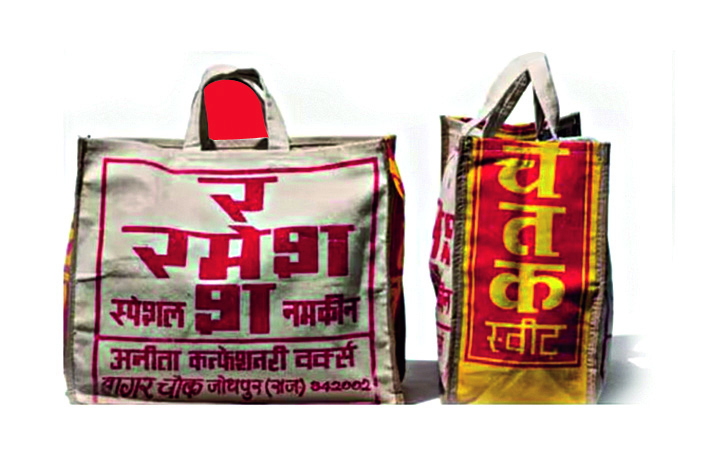
Simple Indian shopping bags have recently become popular fashion items.
These bags usually come from paan shops, sweet stores or neighbourhood shops.
They carry names such as Vimal, Ramesh, Chetak and Annapurna.
Tourists and social-media creators sometimes carry them with expensive clothes and shoes.
This makes the bags look funny and surprising to many Indians who see them every day.
The trend is part of a style movement that celebrates colourful, ordinary objects from India.
Some people think it is a fun way to appreciate Indian culture.
Others wonder why these objects are valued only after people abroad make them fashionable.

Vimal, Ramesh, Chetak and Annapurna bags have become fashion accessories on social media and in cities worldwide.
Some of the bags reportedly sell online for Rs 2,000 to Rs 5,000 outside India.
Tourists, thrift enthusiasts and content creators are drawn to their bright designs and everyday Indian associations.
Stylists describe the trend as part of “India-core” and a wider movement turning ordinary objects into fashion.
Some Indians see harmless cultural appreciation, while others question why these items gain value after Western validation.
- Who
- Foreign tourists, thrift enthusiasts, content creators, stylists and Indian observers are involved in the trend.
- What
- Everyday Indian canvas and carry bags have been reimagined and sold as ironic fashion accessories.
- Where
- The bags are appearing on Instagram Reels, travel vlogs and streets from Mumbai to Milan, with online sales in the United States and elsewhere.
- When
- The articles describe the trend as current and growing through social-media activity.
- Why
- Their colourful branding, cultural associations, ironic appeal and ability to generate online attention have made them desirable.
Cultural Appreciation
Cultural Double Standard
Meaning of the trend
Cultural Appreciation
The bags introduce international audiences to everyday Indian visual culture beyond familiar images such as elephants and palaces.
Cultural Double Standard
Objects that are mundane or looked down upon in India appear to gain status only after being reframed by Western audiences.
Why people carry them
Cultural Appreciation
Their bright designs, nostalgia, originality and ironic contrast with luxury clothing make them enjoyable conversation starters.
Cultural Double Standard
The popularity may reflect internet humour and exoticisation rather than meaningful appreciation of the culture connected to the bags.
Role of fashion
Cultural Appreciation
Fashion has a history of borrowing ordinary objects, including supermarket, IKEA and laundry bags, and transforming them into style pieces.
Cultural Double Standard
The transformation can expose a double standard in which global approval makes local everyday objects seem valuable.
Key facts
- Featured bags
- Vimal Pan Masala, Ramesh Namkeen, Chetak Sweets and Annapurna canvas bags
- Reported prices
- Rs 2,000 to Rs 5,000 in the United States and other parts of the world
- Where they originated
- Neighbourhood grocery stores, sweet marts and paan shops
- Fashion framing
- The bags are associated with “India-core,” kitsch and anti-fashion becoming fashion.
- Online visibility
- Instagram Reels and travel vlogs have helped turn the bags into viral style objects.
- Central debate
- The trend is viewed either as cultural appreciation or as evidence of Western validation shaping value.
Quotes
Aditi Fernandes
Mumbai-based chartered accountant reacting to the international trend.
“Luxury today isn’t always about expensive products—it’s about originality. Objects that feel ordinary to locals can become exciting design pieces when viewed from a completely different cultural lens. The Vimal bag is a perfect example of that.”
 deccanchronicle.com
“I grew up seeing these bags everywhere. Watching someone call it ‘vintage Indian aesthetic’ is honestly hilarious. But at the same time, it’s kind of nice that people are appreciating everyday Indian culture beyond elephants and palaces.”
deccanchronicle.com
Sources
Related news

Statement Bags Redefine Luxury as Wearable Works of Art
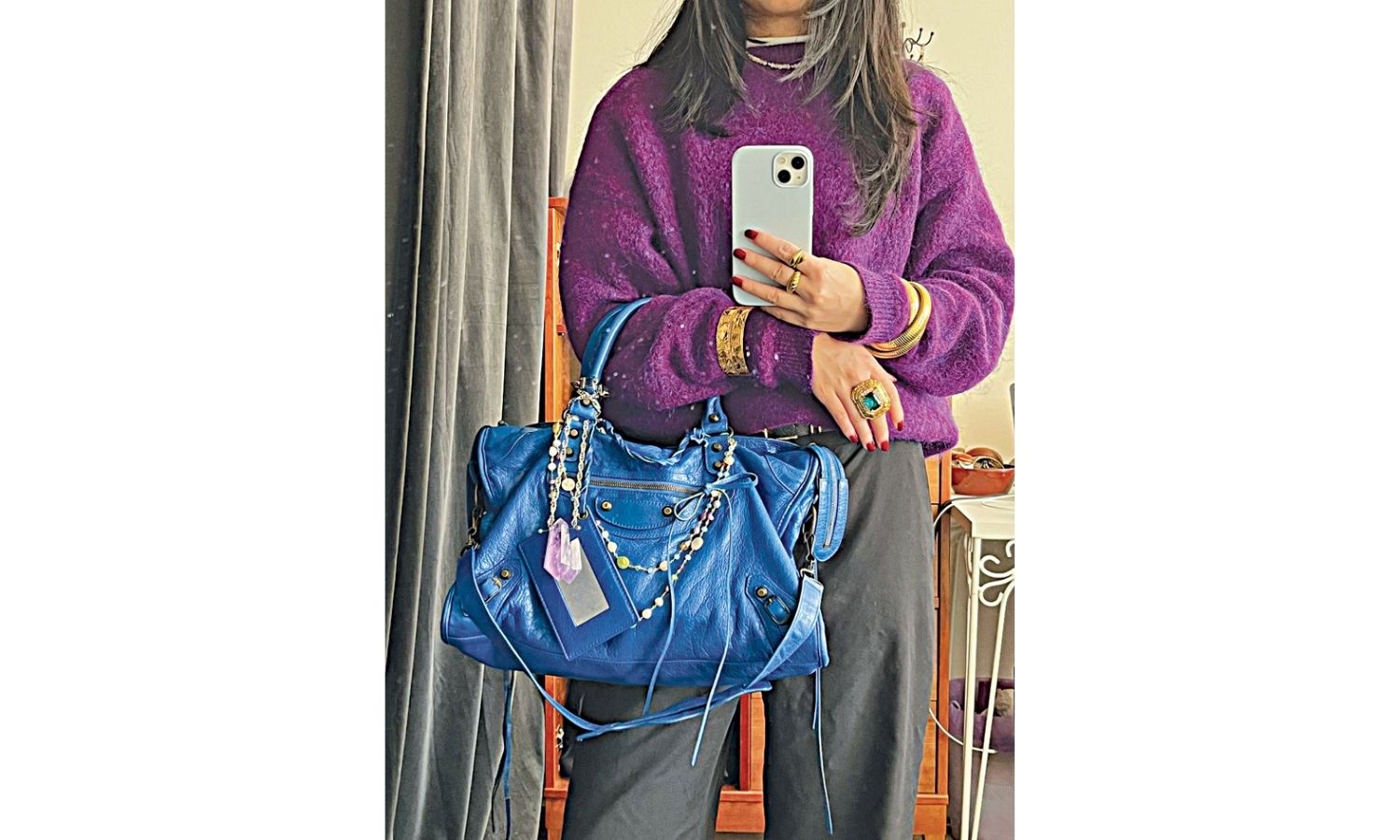
Bag Charms Turn Personal Style Into Fashion’s Happiest Obsession

Naughty Rituals Seeks to Democratize Luxury Lingerie in India
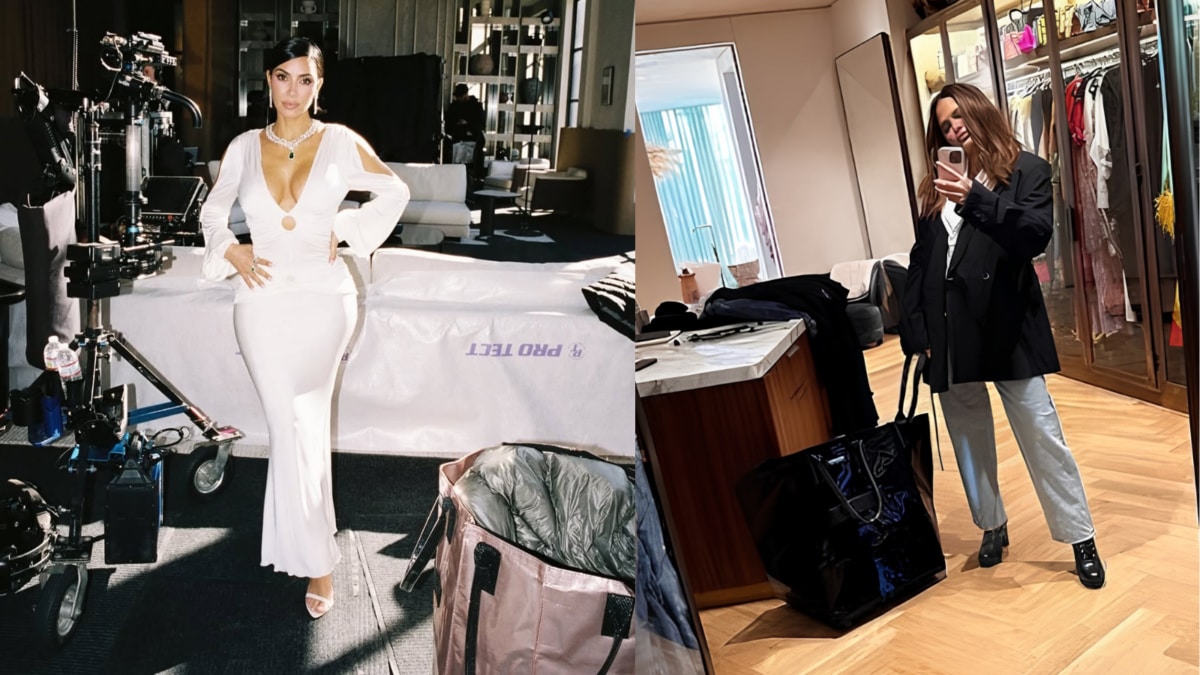
Hulken Rolling Tote Becomes Summer’s Unexpected Fashion Status Symbol

Charmee Zaveri's Luxury Handbag Collection Is Worth A Fortune
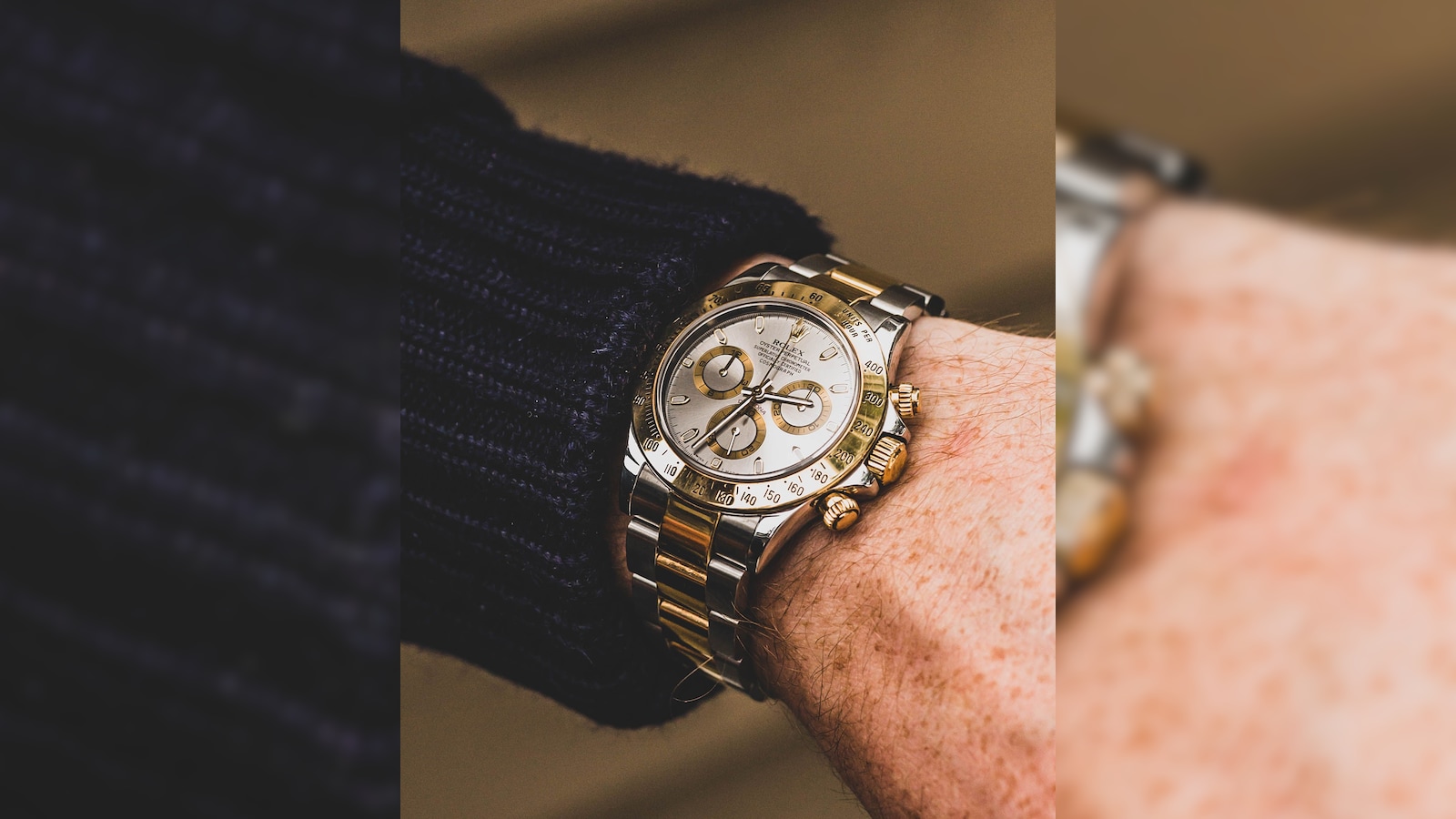
Businessman's Rs 10,000 Fake Rolex Reveal Sparks Luxury Debate

Eco-Friendly Toilet Papers Have Varied Environmental Impacts

Traders to launch 'Vocal for Local' drive

BMC Appoints New Contractor for Worli Seafront Cleaning

Ready-to-Eat Pasta Meals Recalled Due to Deadly Listeria Outbreak