2 hrs ago
New MOF Process Targets Toxic Metals and Recovers Rare Earths
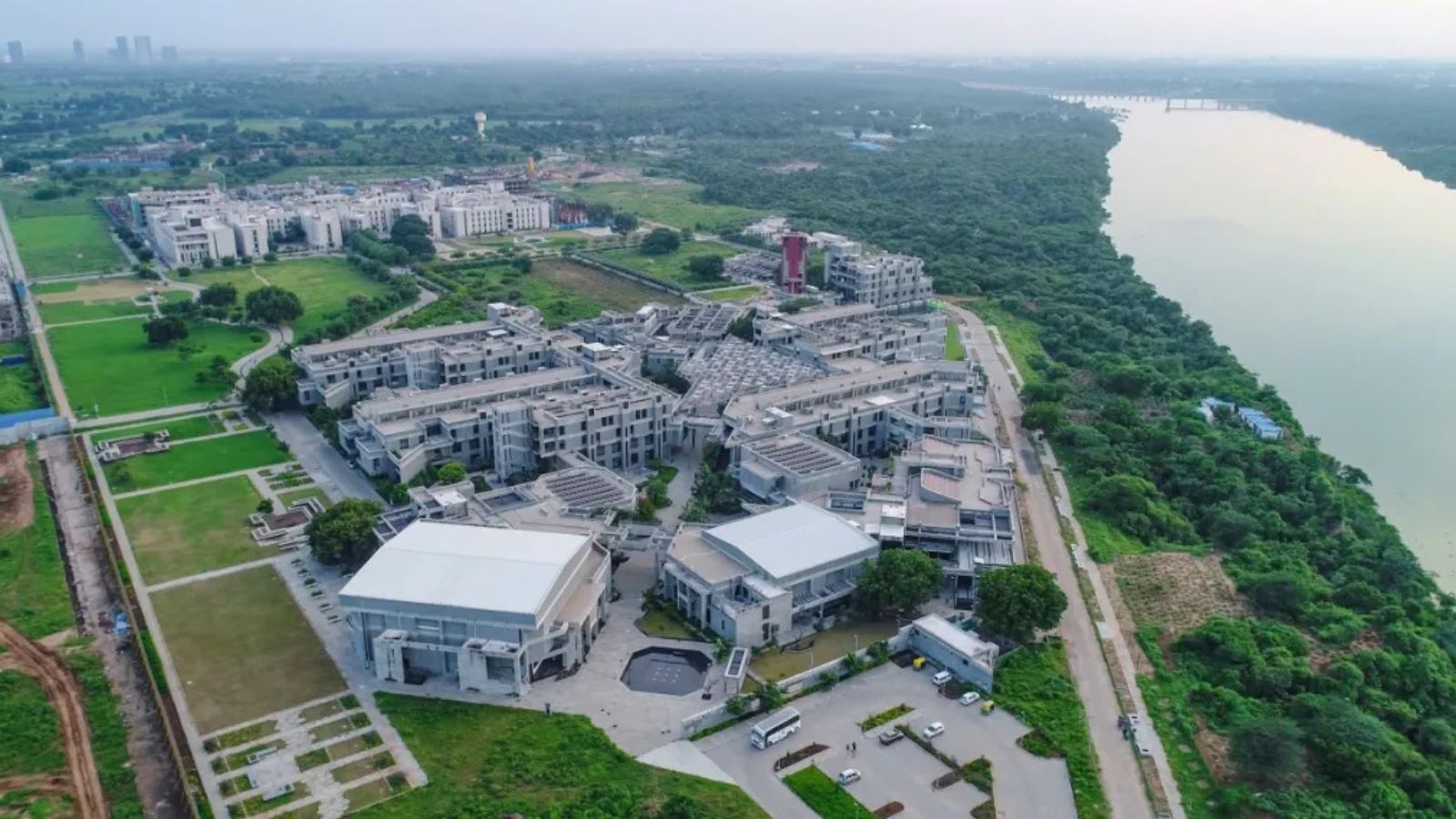
Researchers have developed a way to catch some metals in wastewater.
It uses materials called metal-organic frameworks, or MOFs, which have many tiny pores.
The pores and special chemical sites can hold onto particular metals.
The method aims to remove harmful metals while also collecting rare earth elements that can be useful in products such as batteries.
Researchers tested it with several challenging kinds of water, including artificial seawater and wastewater made alkaline and cloudy.
In experiments, a small amount of the material captured measurable quantities of lead and other metals.
The researchers say more work is needed to understand how well it could be made and used at a large scale.

Researchers from IIT Gandhinagar, the University of Cambridge and the University of Birmingham developed a protocol using metal-organic frameworks to remove metals from wastewater.
The porous materials are designed to capture selected toxic metals and valuable rare earth elements.
Tests included alkaline, turbid wastewater with high dissolved solids, artificial seawater and samples derived from electronic waste.
One gram of the copper-based MOF captured up to 490 milligrams of lead and 264 milligrams of cadmium in experiments.
Researchers said large-scale production, costs, life-cycle assessment and regulatory testing remain to be examined.
- Who
- Researchers from the Indian Institute of Technology Gandhinagar, the University of Cambridge and the University of Birmingham.
- What
- They developed and tested a metal-organic framework protocol to remove toxic metals and recover rare earth elements from wastewater.
- Where
- The research involved institutions in India and the United Kingdom, and tests included wastewater, artificial seawater and e-waste-derived samples.
- When
- The study was published in Nature Protocols; no publication date is given in the article.
- Why
- To address harmful metal pollution in water while recovering valuable rare earth elements.
Key facts
- Material
- Metal-organic frameworks (MOFs), highly porous adsorbents with selectively designed chemical sites.
- Publication
- Nature Protocols
- Lead capacity reported
- 490 mg per gram of copper-based MOF
- Other toxic metals reported
- Cadmium: 264 mg/g; manganese: 226 mg/g
- Rare earth elements reported
- Neodymium: 351 mg/g; yttrium: 343 mg/g; dysprosium: 335 mg/g; terbium: 337 mg/g; europium: 345 mg/g
- Test conditions and samples
- Alkaline wastewater above pH 8.5, turbid water with high dissolved solids, artificial seawater and e-waste-derived samples
- Next steps identified
- Large-scale fabrication, cost analyses, life-cycle assessment and regulatory testing
Quotes
Dr Superb Misra
Materials researcher involved in the study
“We generally throw away a broken camera lens, earphones, or an old phone that has stopped working and is beyond repair.”
 indianexpress.com
“There is a need for approaches that can solve multiple environmental challenges simultaneously.”
indianexpress.com
Sources
Related news
IISc Bengaluru Develops More Effective Uranium Extraction Method
Singapore Pilot Uses Fruit Peels to Recover Battery Metals

IIT Guwahati Bacterium Breaks Down Toxic Textile Dye
Heavy metals in Yamuna vegetables raise food safety concerns

Why Water Purifier Filter Combinations Matter More Than Stage Counts

Telangana Plans Recycled Musi Water Sales for Growing Industries
Home Urine Test Shows Promise for Detecting Bladder Cancer

Rocky Horror Star Tim Curry Dies at 80

Liver Specialist Debunks Detox Myths
UK’s University of Birmingham Offers £12,500 Scholarship for Indian Students