1 hr ago
Heavy metals in Yamuna vegetables raise food safety concerns
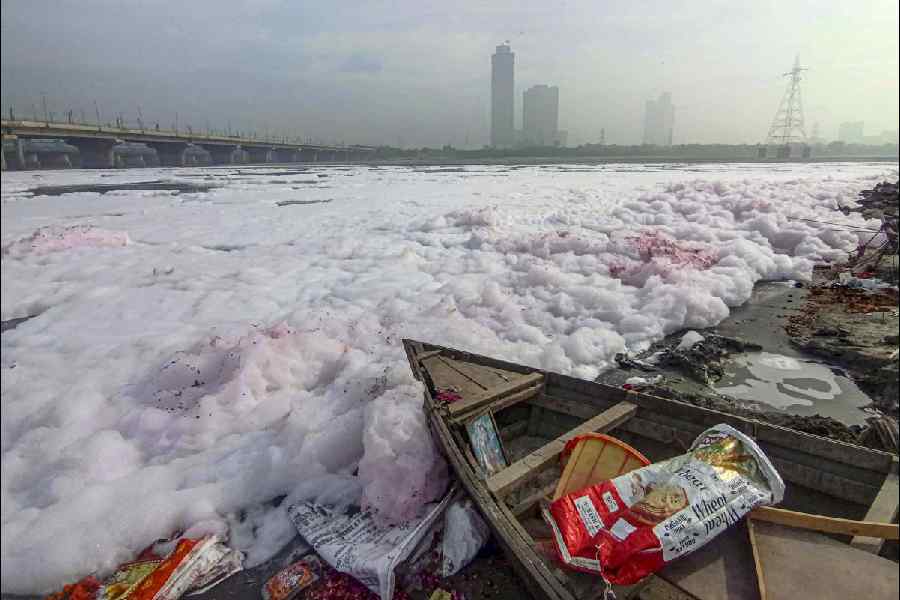
Researchers tested vegetables grown beside a polluted part of the Yamuna River near Delhi.
They found metals such as nickel, chromium, lead, and molybdenum in the vegetables.
Some amounts were much higher than food-safety limits.
Potatoes had especially high nickel levels, while red radishes had high molybdenum levels.
Eating these vegetables regularly could expose people to potentially harmful metals.
The researchers estimated that red radish had the highest possible cancer risk among the vegetables studied.
They also found that molybdenum contributed most to estimated non-cancer risks.
The scientists said polluted irrigation water may carry metals into edible plant parts.
They recommended treating wastewater and checking water and crops regularly.

University of Delhi researchers found multiple heavy metals above food-safety limits in vegetables grown near Delhi’s Yamuna.
Nickel levels were 181 times the limit in potatoes and 97 times in spinach.
Molybdenum in red radish reached 68 times the limit, while chromium and lead also exceeded limits in several vegetables.
Researchers identified red radish as having the highest estimated cancer risk, with nickel and chromium as major contributors.
The study urged wastewater treatment, regular irrigation monitoring, safer crop choices, and improved river-water quality.
- Who
- Researchers from the University of Delhi, led by botany professor Dinabandhu Sahoo, studied the vegetables.
- What
- The study found heavy-metal contamination in vegetables grown along a stretch of the Yamuna, with several concentrations exceeding food-safety limits.
- Where
- The samples came from the Kalindi Kunj stretch of the Yamuna in southeast Delhi.
- When
- The study was published in the journal Energy Nexus on Saturday; the article does not provide a calendar date.
- Why
- The vegetables were grown using water affected by untreated industrial wastewater, inadequately treated domestic sewage, and urban runoff.
Key facts
- Study location
- Kalindi Kunj, southeast Delhi, along the Yamuna
- Researchers
- University of Delhi researchers led by Dinabandhu Sahoo
- Highest reported excess
- Nickel in potatoes was 181 times the Food and Agriculture Organization limit
- Other major finding
- Molybdenum in red radish was 68 times the stated limit
- Estimated cancer risk
- Highest through red radish, with nickel and chromium identified as principal contributors
- Estimated non-cancer risk
- Molybdenum was the most significant contributor across most vegetables
- Study limitation
- Total chromium was measured without distinguishing the more toxic chromium VI from chromium III
Quotes
Dinabandhu Sahoo
University of Delhi botany professor who supervised the study
“How much of which metal goes into which specific tissues of any vegetable depends on the metabolism of the particular plant. But such studies could help guide decisions on cultivation in areas with metal contamination.”
 telegraphindia.com
“There is an urgent need for periodic monitoring of irrigation water and the river water quality should improve through scientific interventions”
telegraphindia.com
Sources
Related news

Bihar Warns Against Unknown Fish Carried By Nepal Floodwaters

Supreme Court Restricts Construction Near Polluted Rajasthan Jojari River

Jojari River Pollution Ravages Rajasthan Villages as Court Orders Protection
Why Newspapers Should Never Wrap Food, Health Experts Explain
Untreated Dyeing Wastewater Continues Polluting Nagari’s Water Sources