1 hr ago
Delhi Needs Wider Strategy as El Niño May Trap Pollution
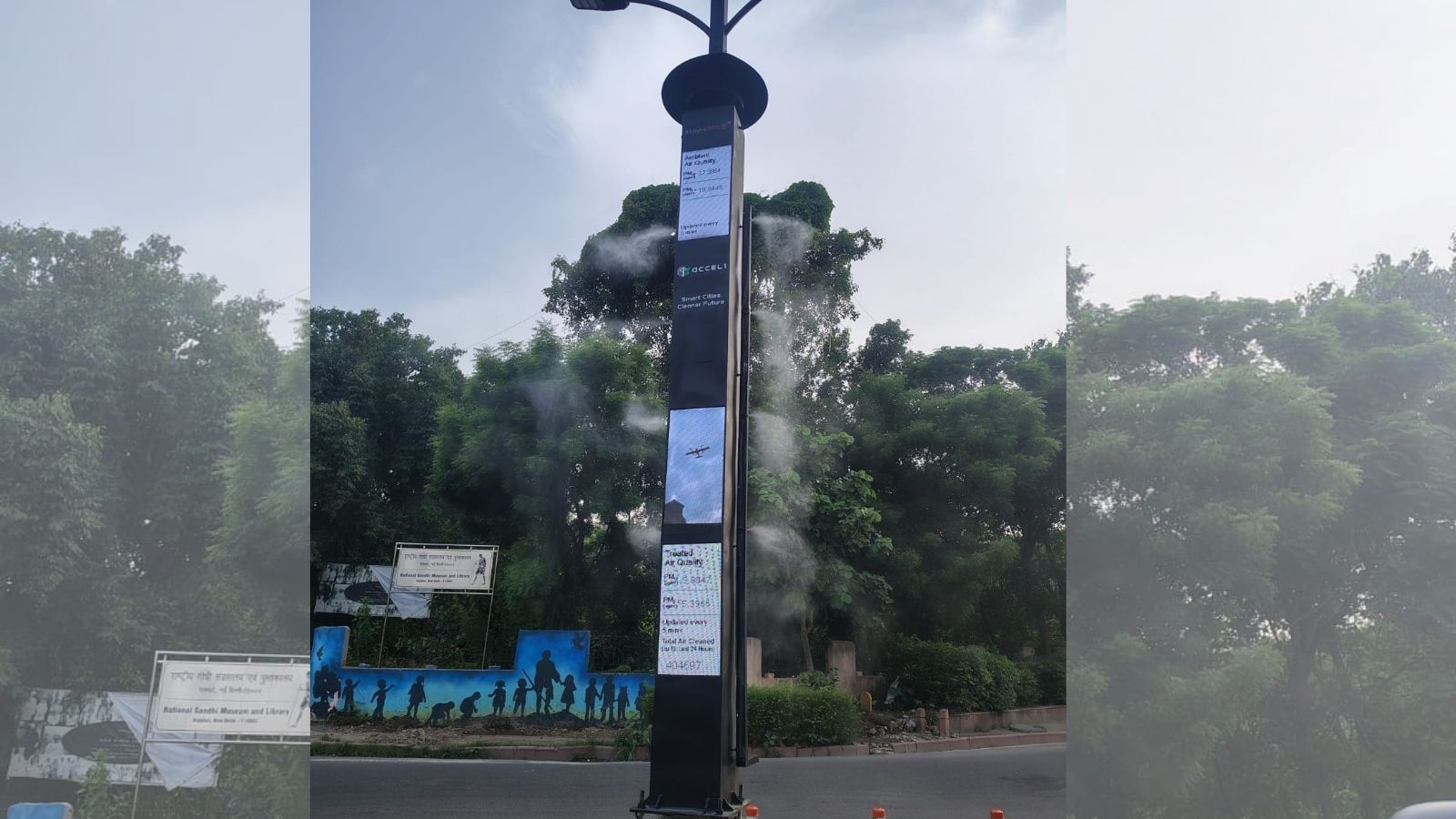
Delhi is preparing steps to reduce pollution during winter.
The author says cars and other transport are important sources of tiny particles called PM₂.₅.
The article says policies have often focused more on dust and PM₁₀, partly because of how progress is measured.
A strong El Niño does not create pollution, but it may change the weather in ways that keep pollution near Delhi.
Weaker winds could make it harder for dirty air to spread out.
Less rain could mean fewer chances for the air to clear.
Cooler nights and still air could also trap pollution close to the ground.
The author says Delhi needs a pollution plan that considers these wider weather effects.

The author says transport contributes around 40 per cent of Delhi’s PM₂.₅ emissions, based on SAFAR findings presented nearly a decade ago.
The article argues that air-quality policy has focused heavily on PM₁₀ and dust partly because the National Clean Air Programme measures progress through PM₁₀ reductions.
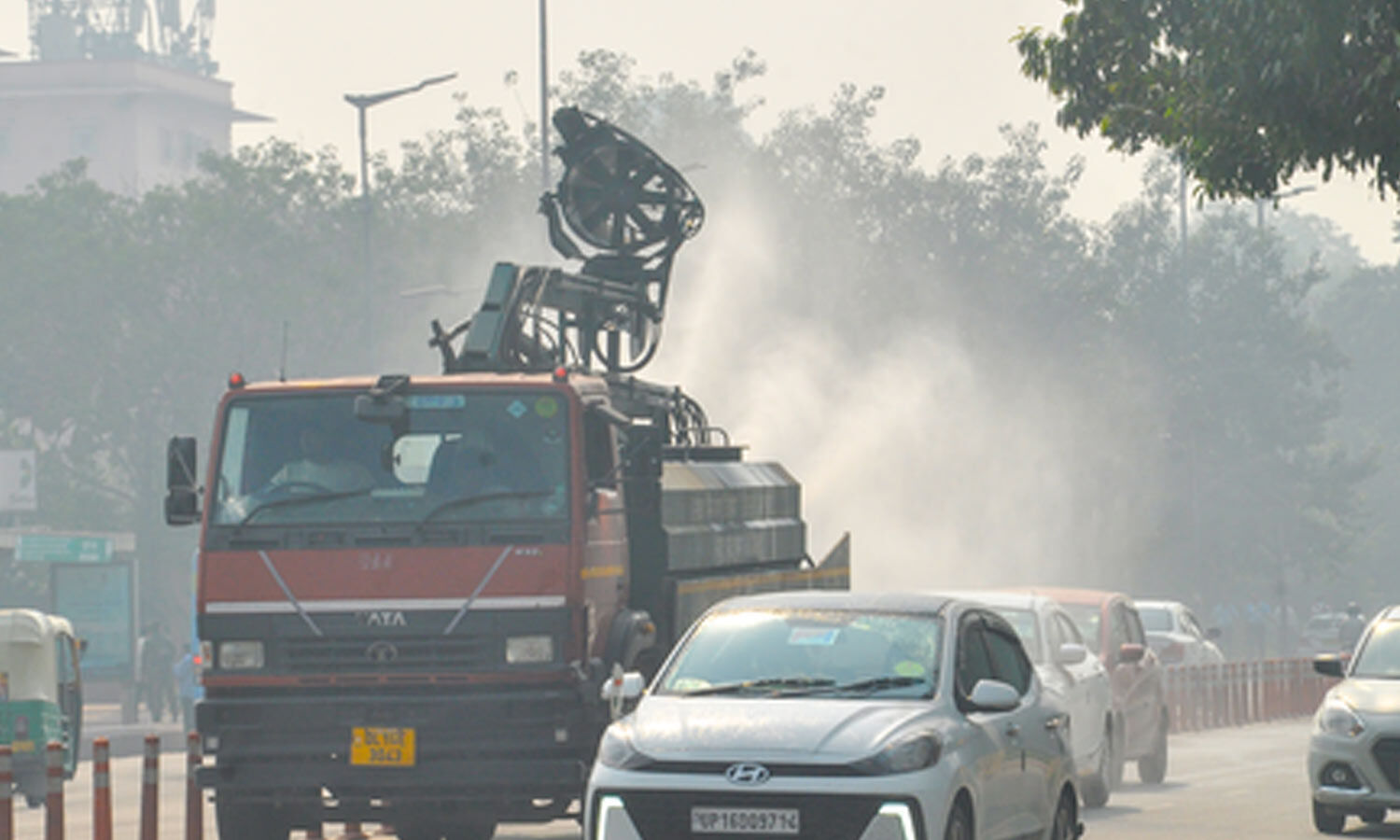
Delhi’s Winter Action Plan includes narrow road-sweeping machines, doubled parking charges and work-from-home provisions under GRAP.
The author warns that a severe El Niño could slow winds over North India and reduce rain that would otherwise help clear pollutants.
The article says milder winter conditions and stagnant air could limit vertical mixing, trapping pollution near the ground and worsening episodes.
- Who
- Delhi policymakers and authorities, and the author, who reports SAFAR findings and cites a study conducted at the National Institute of Advanced Studies.
- What
- The article argues that Delhi’s pollution strategy should account for transport emissions and weather conditions that may trap pollutants.
- Where
- Delhi and North India.
- When
- As Delhi begins work on its Winter Action Plan; the article discusses the coming winter.
- Why
- A severe El Niño may bring weaker winds, fewer rain-clearing breaks and stagnant conditions that limit pollutant dispersion.
PM₂.₅ and transport focus
PM₁₀ and dust focus
What pollution policy should prioritize
PM₂.₅ and transport focus
The author argues that PM₂.₅ is especially harmful and that transport is a major source, so policy should give these pollutants and emissions greater attention.
PM₁₀ and dust focus
The article says the National Clean Air Programme uses PM₁₀ reductions to gauge progress, a metric that gives dust a prominent role in mitigation priorities.
Key facts
- Transport contribution
- The article cites SAFAR findings that transport accounted for around 40 per cent of Delhi’s PM₂.₅ emissions.
- Winter Action Plan measures
- Narrow road-sweeping machines, doubled parking charges and work-from-home provisions under GRAP.
- National rainfall
- India’s monsoon ended with a 13 per cent rainfall deficit, described as the highest in a decade.
- Delhi rainfall
- Delhi recorded a 17 per cent rainfall surplus.
- Pollutants identified
- PM₂.₅ from stubble burning, transport, biofuel and open waste burning.
- Policy measurement
- The article says the National Clean Air Programme assesses funding, performance and mitigation progress using percentage reductions in PM₁₀.
- Weather risks described
- Reduced wind speeds, likely absence of westerly disturbances, and winter conditions that could restrict pollutant dispersion.
Quotes
A Delhi minister
A minister in Delhi, whose name is not given in the article.
“PM₁₀ does not travel as far as PM₂.₅, so the construction contributes far less to pollution than vehicular emissions.”
 indianexpress.com
Sources
Related news
Delhi Winter Action Plan Faces Questions Over Enforcement and Science
Delhi Winter Anti-Pollution Plan Faces Implementation Test
Delhi Air Quality Moderate as Several Areas Record Poor Levels
Delhi Begins October With Highest Pollution in Four Years

Western Disturbances May Forecast North India’s Winter Pollution

El Niño, Stubble Burning Raise Concerns Over Delhi's Winter Air
New Blue Economy Centre Aims to Advance Sustainable Ocean Growth

Are recommendation letters still needed in 2026?
AI-Detection Tools Questioned in AI-Dominated World