2 months ago
Are recommendation letters still needed in 2026?
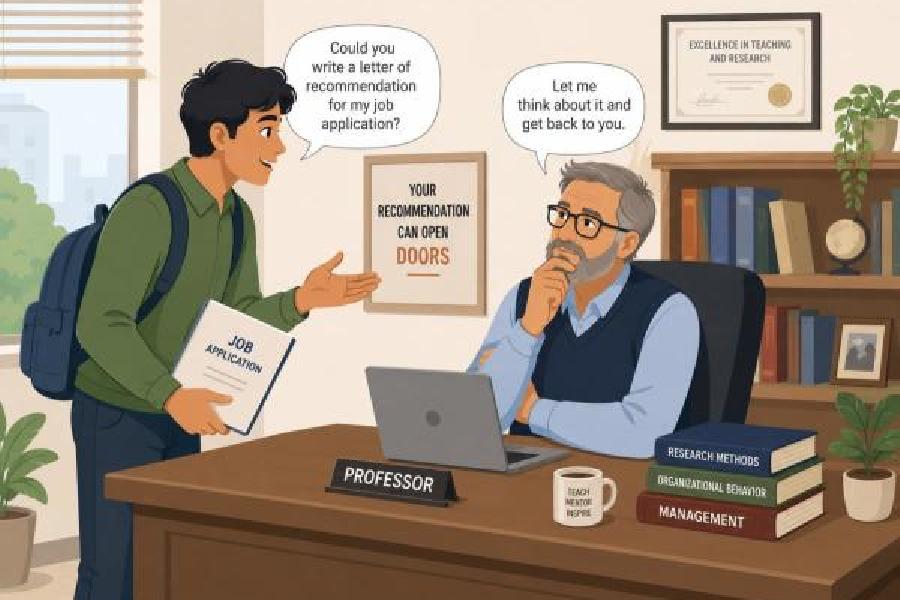
The article discusses whether recommendation letters are still necessary in the hiring process, especially in academia.
The author argues that while recommendation letters can provide personal insights, they are no longer essential at the initial stages of hiring.
In today's digital age, professional achievements are easily verifiable, making recommendation letters less important.
The author also highlights the emotional and professional burden on job seekers, especially those in toxic work environments.
The proposed solution is to use objective evidence for initial assessments and request references later in the recruitment process.

Recommendation letters have historically been crucial in the hiring process, especially in academia.
In today's digital age, professional achievements are easily verifiable, reducing the need for recommendation letters.
Supporters argue that recommendation letters provide personal assessments of character and professional conduct.
Critics highlight the emotional and professional burden on job seekers, especially in toxic work environments.
The author proposes using objective evidence for initial assessments and requesting references later in the recruitment process.
- Who
- Biju Dharmapalan, Dean of Academic Affairs at Garden City University, Bengaluru, and adjunct faculty at the National Institute of Advanced Studies, Bengaluru.
- What
- An opinion piece questioning the necessity of recommendation letters in the hiring process, especially in academia.
- Where
- The article was published in Telegraph India.
- When
- The article was published in 2023, but the discussion is relevant for the year 2026.
- Why
- To argue that recommendation letters should be used later in the hiring process to reduce the burden on job seekers and to align with modern hiring practices.
Proponents of Recommendation Letters
Critics of Recommendation Letters
Purpose and Value
Proponents of Recommendation Letters
Recommendation letters provide a personal assessment of character, teamwork, leadership, integrity, and professional conduct, which metrics cannot capture.
Critics of Recommendation Letters
In today's digital age, professional achievements are publicly documented and instantly verifiable, making recommendation letters less necessary.
Impact on Job Seekers
Proponents of Recommendation Letters
Recommendation requirements help identify serious candidates who are genuinely interested in the job.
Critics of Recommendation Letters
The process can be emotionally exhausting and may discourage talented individuals from applying, especially those in toxic or challenging work environments.
Timing in the Hiring Process
Proponents of Recommendation Letters
Recommendation letters should be requested early to assess a candidate's seriousness and qualifications.
Critics of Recommendation Letters
Recommendation letters should be requested later in the recruitment process, after initial assessments based on objective evidence.
Key facts
- Author
- Biju Dharmapalan
- Current Position
- Dean, Academic Affairs, Garden City University, Bengaluru; Adjunct Faculty, National Institute of Advanced Studies, Bengaluru
- Primary Argument
- Recommendation letters should be used later in the hiring process, not at the initial stages.
- Key Issue
- The emotional and professional burden on job seekers, especially in toxic work environments.
- Proposed Solution
- Use objective evidence for initial assessments and request references later in the recruitment process.
Sources
Related news

JLR Targets NATO Markets With New Defender Military Vehicles

Plugin4Shell Hits Four Major AI Coding Assistants; Two Unpatched

India and Ghana Seek Wider Cooperation During Jaishankar Visit

AI Assistants Turned Account Access Into OpenAI Code Breach

RGUKT Students Develop China Clay Coating for Industrial Applications

Coforge Expands Kraków Centre, Targets 660 Professionals by 2027

Readers Debate Whimsymaxxing, 9/11, Teachers, and Cricket’s Future

R Madhavan Recalls Wife's Reaction to His Shirtless Photos

Durga Puja Souvenir Awards Honour Writers Across Seven Categories
Modi's 'Dimaagi Naxal' remark sparks political row over dissent
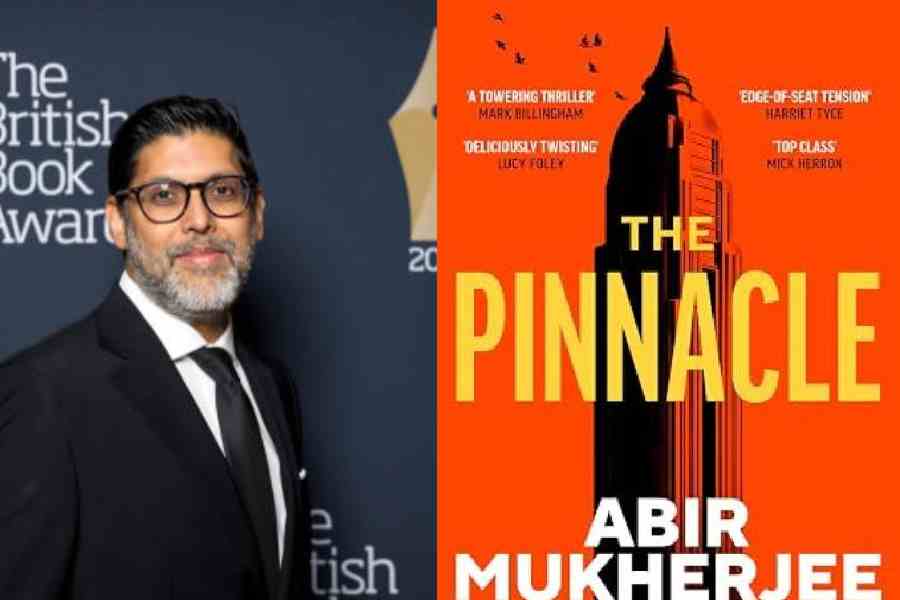
Abir Mukherjee's 'The Pinnacle' explores Indian society through crime fiction