1 hr ago
El Niño, Stubble Burning Raise Concerns Over Delhi's Winter Air

The article warns that Delhi could have very dirty air during winter.
It says calmer winds linked to a possible Super El Niño could make it harder for pollution to move away.
Fireworks and smoke from burning leftover paddy plants may add more pollution in November.
The article says this is a concern because parts of northern India had much less rain than usual.
Some farmers may have planted paddy early, which could mean they harvest earlier too.
The author says some farmers now burn fields in the afternoon rather than the morning.
That could make fires easier to miss for satellites that usually take morning pictures.
The author says better fire counting is important for dealing with the pollution.

The author warns that calmer winds linked to a possible Super El Niño could worsen Delhi's winter pollution.
The second week of November may bring firecracker emissions as winter conditions and paddy harvesting are underway.
The article says Punjab, Haryana, Uttar Pradesh and the wider Indo-Gangetic Plain had a severe monsoon rainfall deficit; Punjab's was about 40%.
Earlier paddy sowing could lead to earlier harvesting, and the author says early October air-quality readings showed initial signs.
The author says farmers shifted stubble burning to afternoons, which may be missed by satellites that usually observe in the forenoon.
- Who
- Delhi residents, farmers in the paddy-growing region, and those monitoring air pollution.
- What
- The author warns that firecracker emissions, stubble burning and calmer winds could combine to worsen Delhi's winter air pollution.
- Where
- Delhi and the wider Indo-Gangetic Plain, including Punjab, Haryana and Uttar Pradesh.
- When
- The festive firecracker period is expected in the second week of November; early October air-quality signs are also mentioned.
- Why
- The article says calmer winds could trap pollutants while fireworks and crop-residue fires add emissions.
Key facts
- Punjab monsoon rainfall deficit
- Around 40%, according to the article.
- Firecracker period
- The second week of November.
- Potential harvest timing
- Earlier paddy sowing could mean earlier harvesting.
- Stubble-burning timing
- The author says farmers shifted burning from forenoon to afternoon.
- Satellite comparison
- The article says KOMPSAT-2A views the region every few minutes, while NASA's MODIS satellites typically provide forenoon snapshots.
- Unresolved question
- The impact of the rainfall deficit on the rice crop and farmers' use of matchstick burning methods remains uncertain.
Sources
Related news

Delhi Rain Surplus Defies Regional Deficit Amid El Niño Concerns
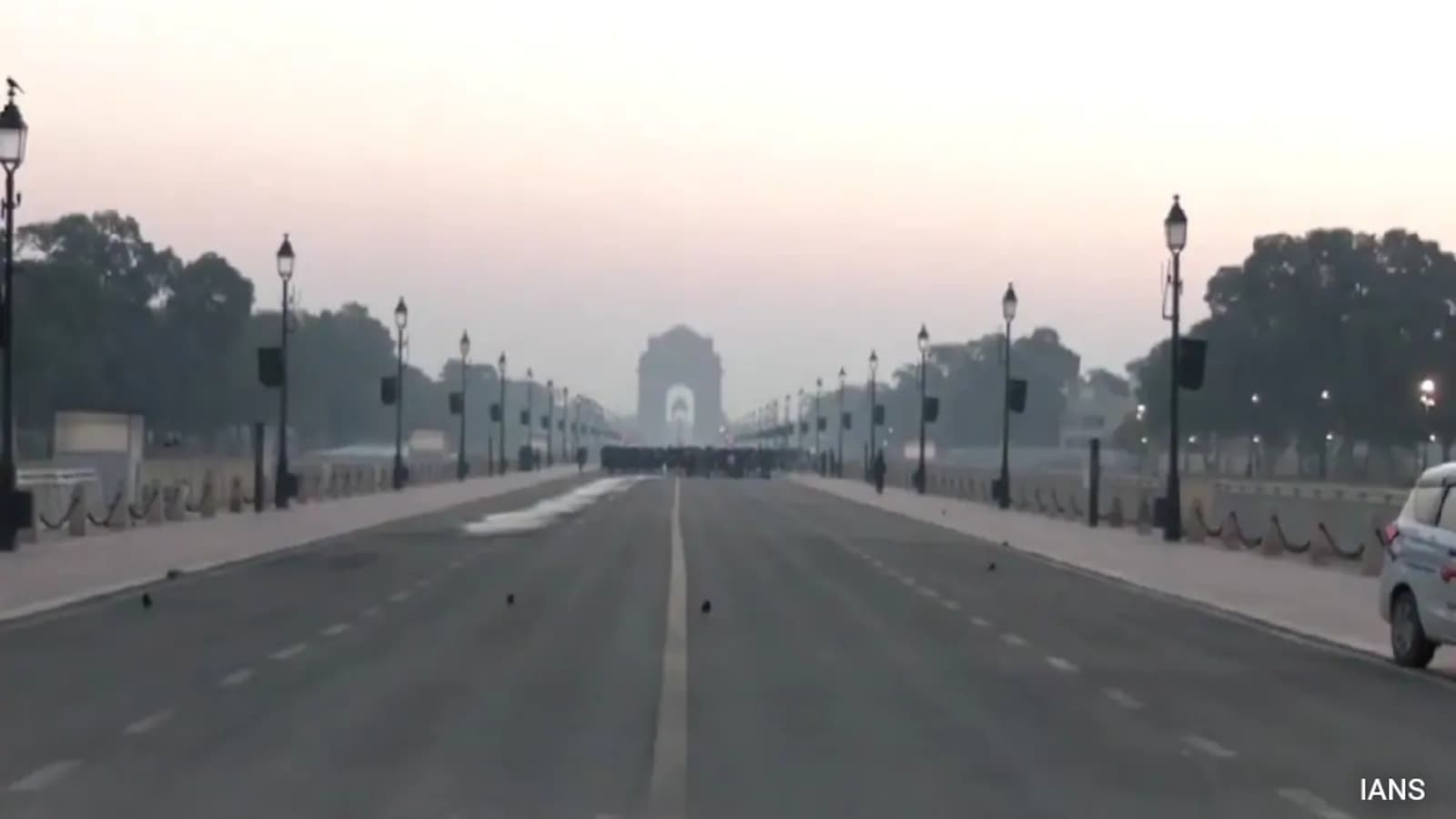
Delhi AQI Turns Moderate as Stubble Burning Hits Six States
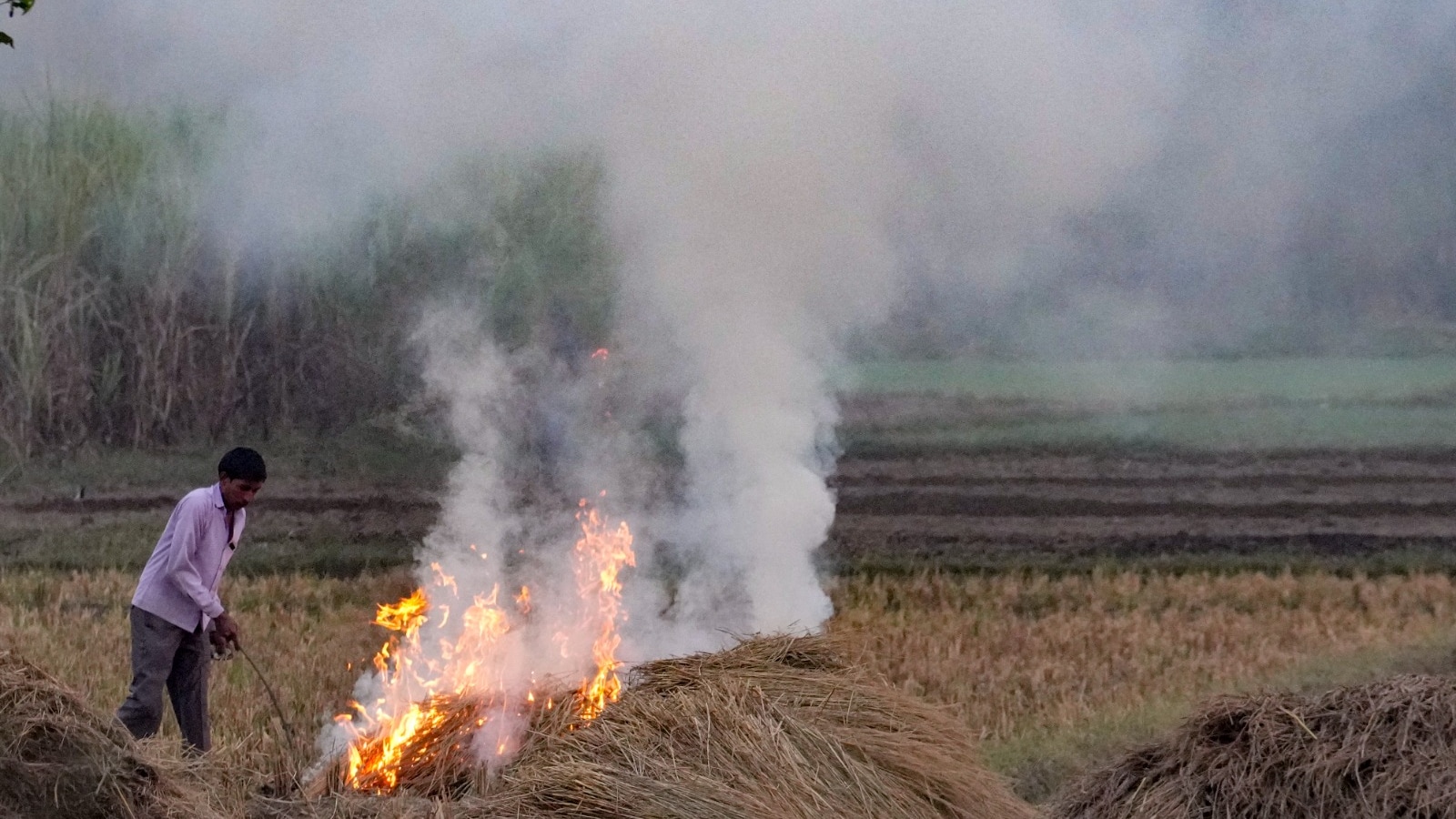
Punjab Stubble Fires Decline as 2027 Politics Intensifies

India Faces Driest Monsoon Since 2009, Raising Food-Price Fears

Bhagwant Mann Defends Punjab Farmers Ahead of Smog Season
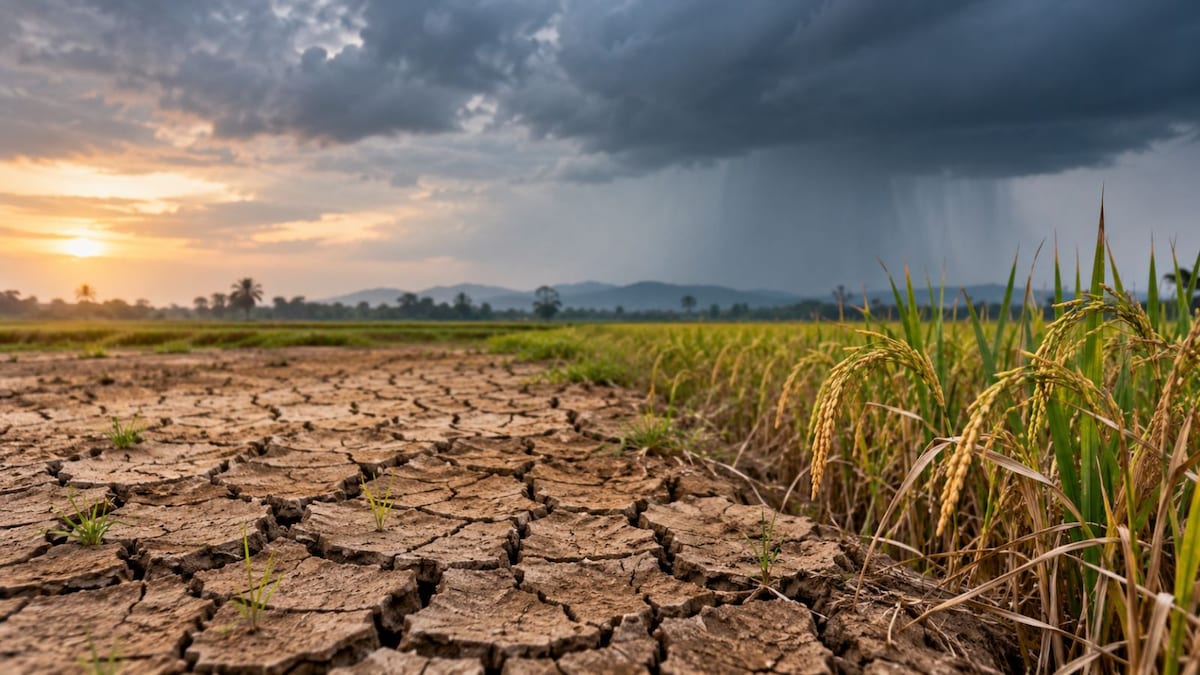
India's Weakest Monsoon Threatens Crops, Prices and Rural Demand
Shah Calls October 7 Historic as Modi Marks 25 Years
College Ordered to Pay MBBS Graduate Rs 2.40 Lakh
Delhi Police Arrest Three in Assault Case, Video Investigation

Delhi ACP Faces Harassment Allegations and Separate Fake-Video Probe