2 hrs ago
Delhi Winter Action Plan Faces Questions Over Enforcement and Science
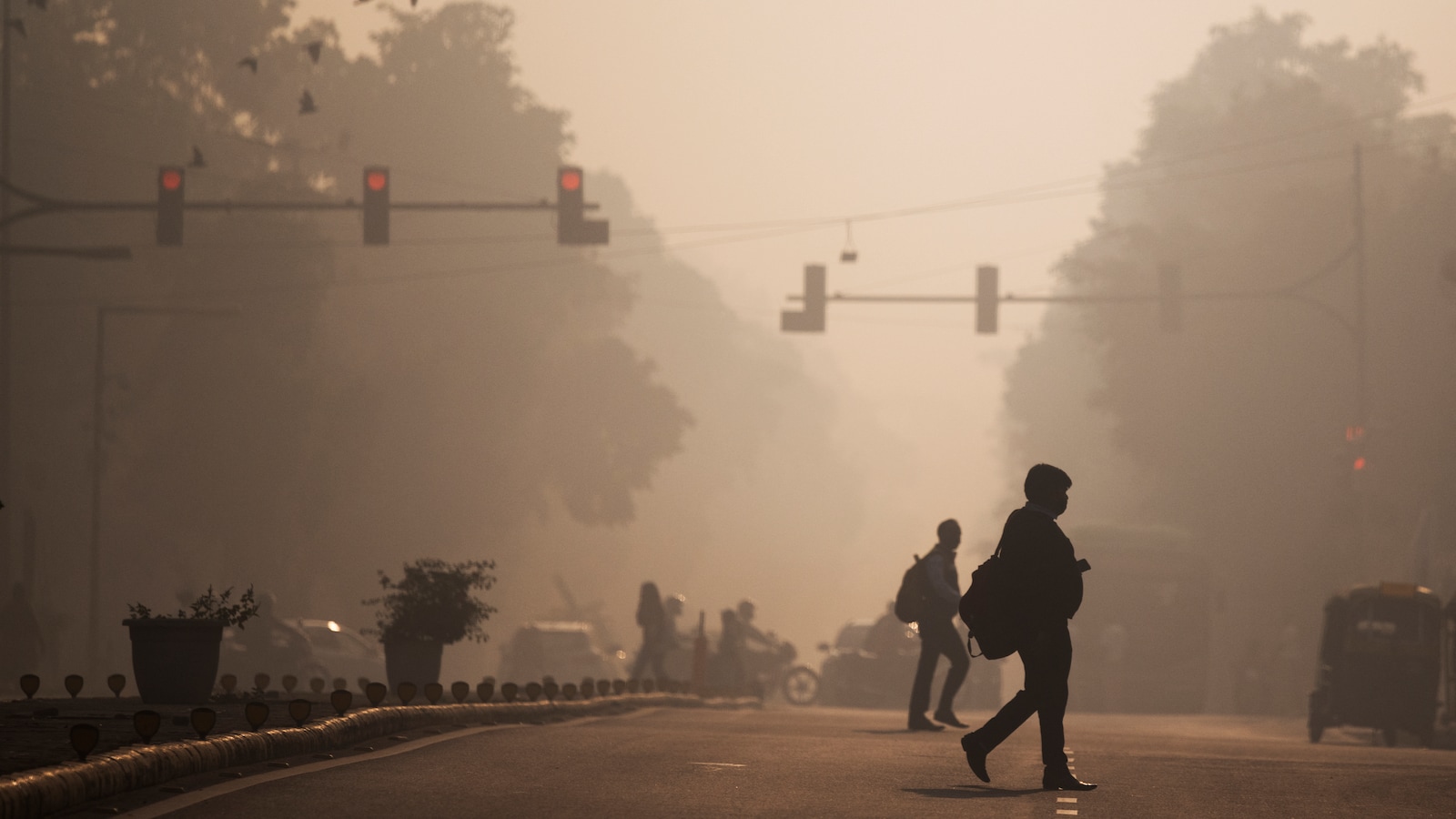
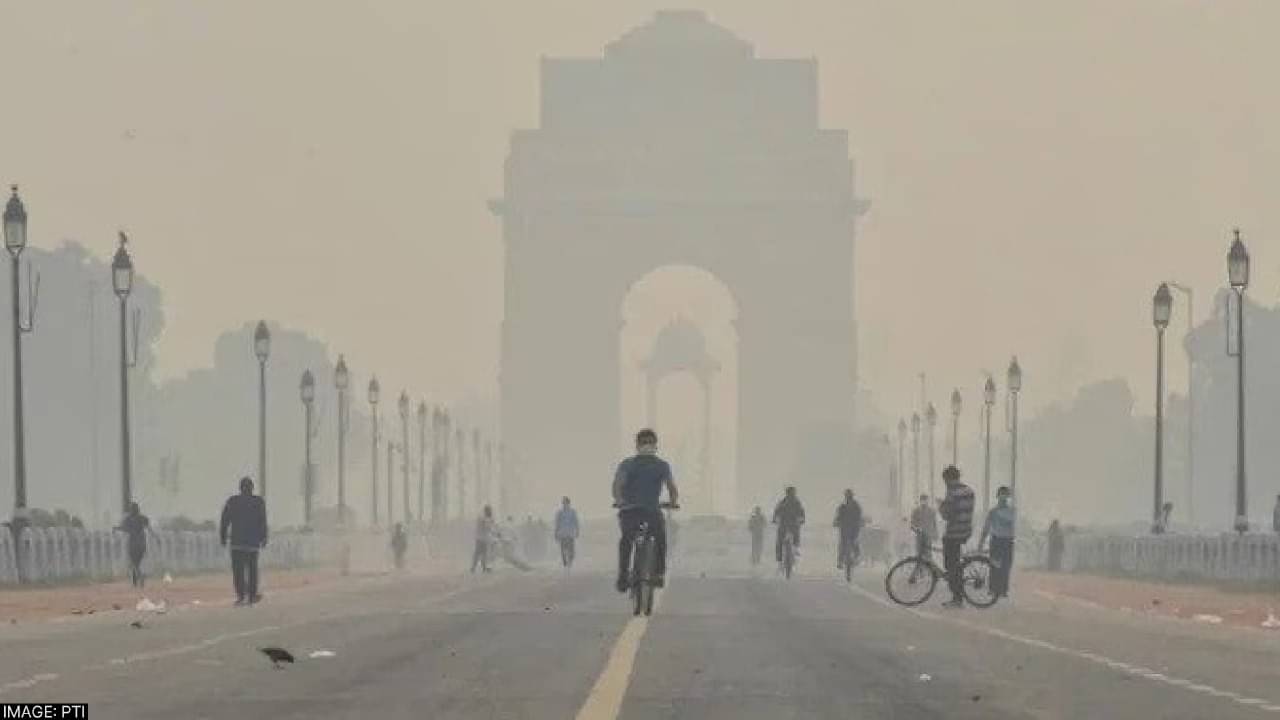
Delhi has announced a plan to reduce air pollution during winter.
It includes rules for vehicles and construction, as well as changes to offices and parking.
The plan also calls for cleaner roads and more monitoring.
Environmentalist Bhavreen Kandhari says many of these rules already exist and need to be enforced better.
She says pollution builds up all year, not just in winter.
Analyst Manoj Kumar says the plan should pay more attention to PM2.5 pollution and the gases that help create it.
Experts say the plan’s success should be judged by whether pollution and emissions actually fall.

Delhi’s 2026–27 winter plan includes vehicle restrictions, construction curbs, higher parking fees and workplace changes.
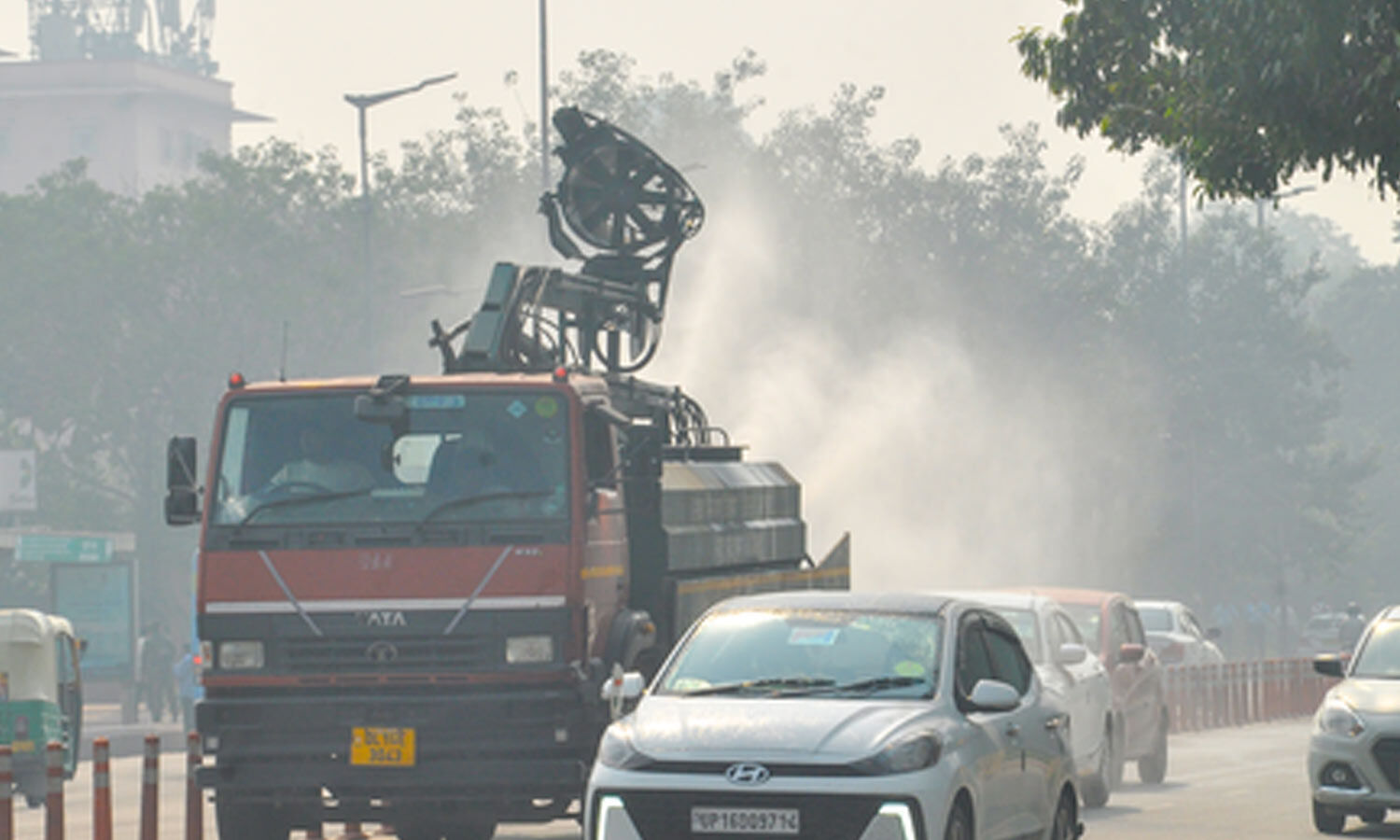
The plan also calls for road dust control, more metro use, inspections and AI-enabled monitoring.
Environmentalists say many measures repeat existing rules and may fail without stronger enforcement and accountability.
Experts argue pollution builds throughout the year, so action should not be limited to winter.
A CREA analyst says the plan focuses heavily on dust and PM10, while insufficiently addressing PM2.5 and gaseous pollutants.
- Who
- The Delhi government, coordinating with central and local agencies; environmentalist Bhavreen Kandhari and CREA analyst Manoj Kumar commented on the plan.
- What
- Delhi’s 2026–27 Winter Action Plan proposes seasonal pollution controls, which experts say may fall short without stronger enforcement and year-round measures.
- Where
- Delhi and the National Capital Region.
- When
- The plan covers winter 2026–27; the stated vehicle and construction measures begin on October 1 and November 1, with construction restrictions running into January.
- Why
- The plan aims to tackle seasonal air pollution, while experts argue that pollution sources need year-round control and better enforcement.
Support for the plan
Experts’ concerns
Value of seasonal measures
Support for the plan
The government’s plan sets out measures to address winter pollution, including vehicle restrictions, construction controls, dust management and monitoring.
Experts’ concerns
Bhavreen Kandhari says many measures repeat existing GRAP provisions and need reliable enforcement to make a difference.
Timing of pollution controls
Support for the plan
The plan introduces restrictions and interventions for the winter pollution period.
Experts’ concerns
Kandhari argues pollution accumulates year-round and calls for continuous source reduction, transparent data and accountability.
Pollution priorities
Support for the plan
The plan includes dust control and road-cleaning measures among its actions.
Experts’ concerns
Manoj Kumar says the focus should shift toward PM2.5 and gaseous pollutants, which he says receive limited attention in winter measures.
Key facts
- Plan
- Delhi Winter Action Plan 2026–27
- Fuel-station enforcement
- The “No PUCC, No Fuel” rule is to be enforced at 500 fuel stations using ANPR systems from October 1.
- Vehicle restriction
- Entry ban for out-of-state petrol and diesel vehicles below BS-VI standards starts November 1.
- Construction restrictions
- Demolition and outdoor civil works are restricted from November 1 to January 31; a total construction-and-demolition ban is specified for December 10 to January 20.
- Workplace measures
- The plan recommends 50% work-from-home or two WFH days weekly, alongside staggered government and MCD office timings.
- Parking
- Parking fees are to be doubled.
- Key criticism
- Experts say the plan needs stronger enforcement and year-round controls, including greater attention to PM2.5 and gaseous pollutants.
Quotes
Bhavreen Kandhari
Environmentalist commenting on Delhi’s winter pollution plan.
“Delhi does not need another winter ritual of announcing restrictions, it needs to see them enforced on the ground. The Winter Action Plan brings several necessary measures, but most are already part of GRAP and have been announced before.”
 NDTV
NDTV
Manoj Kumar
Analyst at the Centre for Research on Energy and Clean Air.
“The bigger gap is that many existing measures are still aimed at controlling PM 10 and dust, while PM 2.5 is the dominant pollutant in Delhi's winter pollution. A significant share of PM 2.5 is also formed in the atmosphere from gases released by vehicles, industries and other sources, yet there are limited winter measures targeting these gaseous pollutants.”
NDTV
Sources
Related news
Delhi Winter Anti-Pollution Plan Faces Implementation Test

Delhi Unveils Time-Bound Winter Plan to Curb Air Pollution
Delhi Winter Plan Adds WFH, Vehicle and Construction Pollution Curbs
Delhi Announces Winter Pollution Curbs, WFH and Construction Bans

Delhi Intensifies Pollution Curbs, Construction Ban Begins December
Delhi Leaders Finalize Winter Air Plan With Vehicle Curbs, WFH
CAQM Orders Wider Camera Coverage at NCR Industries

Delhi Sees Above-Normal Temperatures as Air Quality Remains Moderate
Delhi AQI Reaches 83-Day High, Near Upper Moderate Range
Delhi Air Quality Moderate as Several Areas Record Poor Levels