6 days ago
Why Doctors Ask Patients to Sing During Brain Surgery

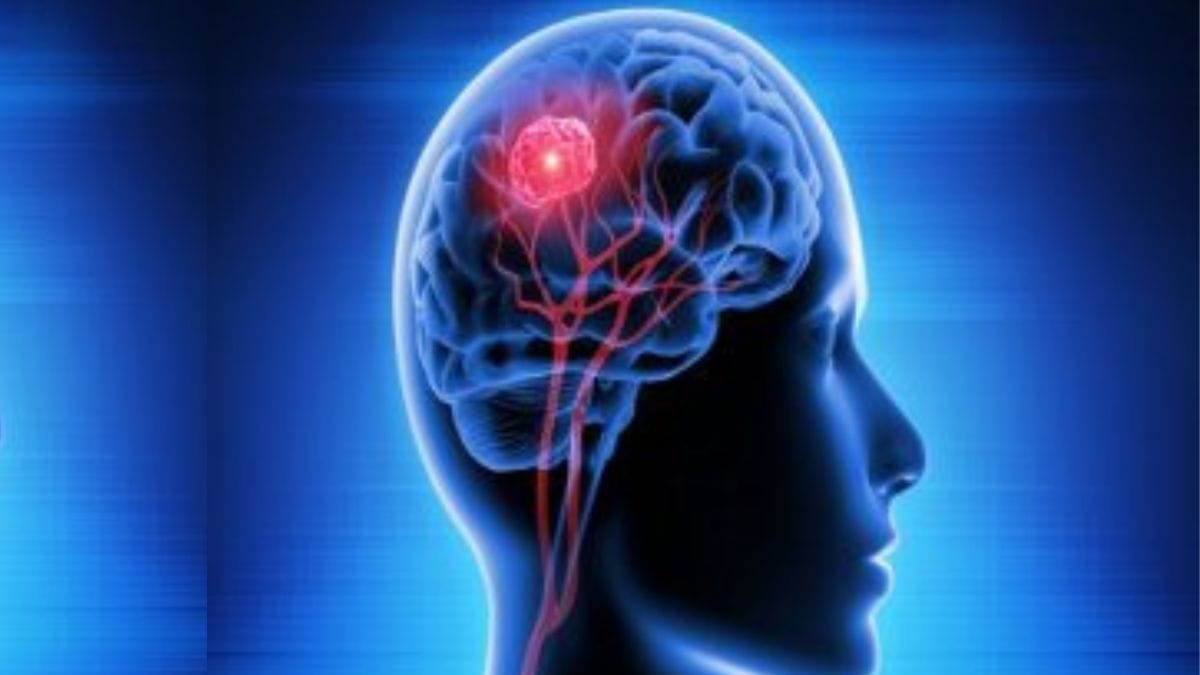
Some brain surgeries are done while the patient is awake.
During part of the operation, doctors may ask the patient to sing or talk.
They might also ask the patient to count, read, name things, or move a hand or leg.
At the same time, surgeons carefully test different parts of the brain.
If a test suddenly affects speech or movement, that area is important.
The surgeons can then avoid damaging it.
This helps protect abilities such as talking, moving, and understanding.
Singing is one way to check how the brain is working during the operation.

Patients may be asked to sing, speak, count, read, name objects, or move a limb during brain surgery.
These tasks are part of the procedure’s brain-function mapping phase.
Surgeons stimulate specific brain areas while monitoring the patient’s responses.
Changes in speech or movement can reveal regions that are functionally important.
Awake brain surgery helps doctors protect speaking, moving, and understanding abilities.
- Who
- Surgeons and patients undergoing awake brain surgery.
- What
- Doctors ask patients to perform tasks such as singing while mapping brain functions during surgery.
- Where
- In the operating room during awake brain surgery; a more specific location is not stated.
- When
- During the mapping phase of the operation.
- Why
- To identify brain regions important for speech, movement, and understanding so surgeons can avoid damaging them.
Key facts
- Procedure
- Awake brain surgery
- Mapping tasks
- Singing, speaking, counting, reading, naming objects, and moving a hand or leg
- Monitoring method
- Surgeons stimulate particular brain areas and observe changes in the patient’s responses
- Key signal
- Changes in speech or movement indicate that a stimulated region is functionally important
- Abilities protected
- Speaking, moving, and understanding
- Source cited
- Mayo Clinic
Quotes
Dr. Patil
Doctor explaining how stimulation and patient responses help surgeons map important brain regions.
“If a particular brain area is stimulated and the patient's speech or movement changes, surgeons can identify that region as functionally important and avoid damaging it.”
 timesnownews.com
Sources
Related news

Sonu Nigam Sings Mohammed Rafi Classic During Surgery

World’s First Live AI-Assisted Surgery Removes Brain Tumour
London Surgeons Use AI in World-First Brain Tumour Operation

Unexpected Findings During Surgery Don't Automatically Indicate Cancer

Bengaluru Hospital Music Night Sparks Backlash, CEO Defends Event

Body Signals That Show When You Need More Rest

AI Helps Target ‘Undruggable’ Protein in Pancreatic Cancer

H1N1 Cases Rise in India; Simple Ways to Protect Yourself

Jamal Musiala Explains Absence Seizures After Two Match Collapses