0 months ago
RBI proposes uniform loan interest rate framework across banks, NBFCs
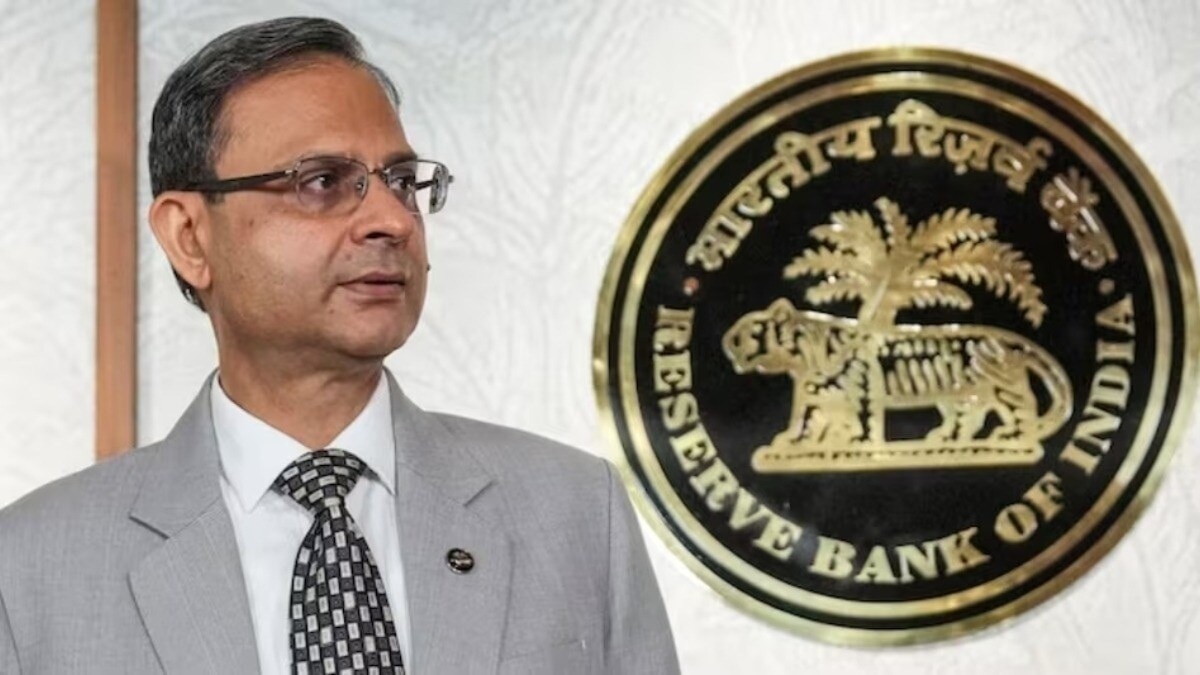
The Reserve Bank of India is the big bank that makes rules for other banks in the country.
It wants all banks and similar lending companies to charge interest on loans in a more similar and clear way.
This will help people compare loans from different banks more easily.
The RBI also said it wants fixed deposits, which are savings you lock in for a while, to be priced more fairly.
Right now, two people could get different interest on the same deposit just because they used different bank branches.
From October 1, 2026, that will no longer be allowed.
Banks will also have to publish their deposit interest rates on their websites in advance.
Savers will know exactly what rates they can get, wherever they bank.
The RBI's leader also said the economy is doing well and left the main interest rate it controls unchanged.

The RBI proposes to harmonise and standardise the regulatory framework governing loan interest rates across all regulated entities, including banks and NBFCs.
Governor Sanjay Malhotra announced the proposal at the RBI MPC meeting, where the repo rate was kept unchanged at 5.25%.
Revised fixed deposit rules effective October 1, 2026 bar banks from offering different rates for similar deposits booked on the same day at different branches.
Banks must publish deposit interest rate schedules, including bulk deposit rates, on their websites in advance, with bulk deposit rates disclosed daily by 10:00 am.
The RBI raised its GDP growth projection for the current year to 6.7%, up from 6.6%.
The revised deposit directions apply to commercial banks, small finance banks, regional rural banks, payment banks, local area banks and urban cooperative banks.
- Who
- Reserve Bank of India Governor Sanjay Malhotra and the RBI's Monetary Policy Committee
- What
- Proposed a uniform loan interest rate framework across banks and NBFCs and issued revised fixed deposit pricing rules
- Where
- India
- When
- Announced now, with the revised deposit rules effective October 1, 2026
- Why
- To make loan and deposit pricing more transparent, comparable and consistent across different categories of lenders
Key facts
- Repo rate
- Kept unchanged at 5.25%
- Loan rate framework
- Harmonised and standardised across all regulated entities, including banks and NBFCs
- FD rules effective date
- October 1, 2026
- Bulk deposit rate disclosure
- Every business day by 10:00 am, or latest by 10:10 am
- Covered institutions
- Commercial banks, small finance banks, regional rural banks, payment banks, local area banks and urban cooperative banks
- GDP growth projection
- Raised to 6.7% from 6.6%
- Related existing measure
- External benchmark-linked lending rates (EBLR) for specified retail and MSME floating-rate loans
Quotes

Sanjay Malhotra
Governor of the Reserve Bank of India
“"The regulatory framework governing interest rates on loans across all regulated entities will be harmonised and standardised,"”
 businesstoday.in
Sources
Related news

RBI to standardize lending rate rules for transparency, consumer protection
RBI's Reset of Loan and Deposit Interest Rate Norms
RBI Proposes New Loan Interest-Rate Framework, Tighter Floating-Rate Rules

RBI Proposes Loan Pricing Rules to Improve Borrower Transparency

RBI proposes tighter loan pricing rules for banks and lenders

RBI Governor Meets US Fed Chief Kevin Warsh at G20

FCNR(B) Inflows Cross $100 Billion as RBI Closes Window

Indian Bond Yields Near 7% as Rate Hike Bets Rise

India Hosts BRICS 2026 Amid US-Iran War Tensions

Finance Ministry Flags Global Yield and Inflation Risks for India