4 days ago
Iran’s Hard-Liners Tighten Grip After Six Months of War
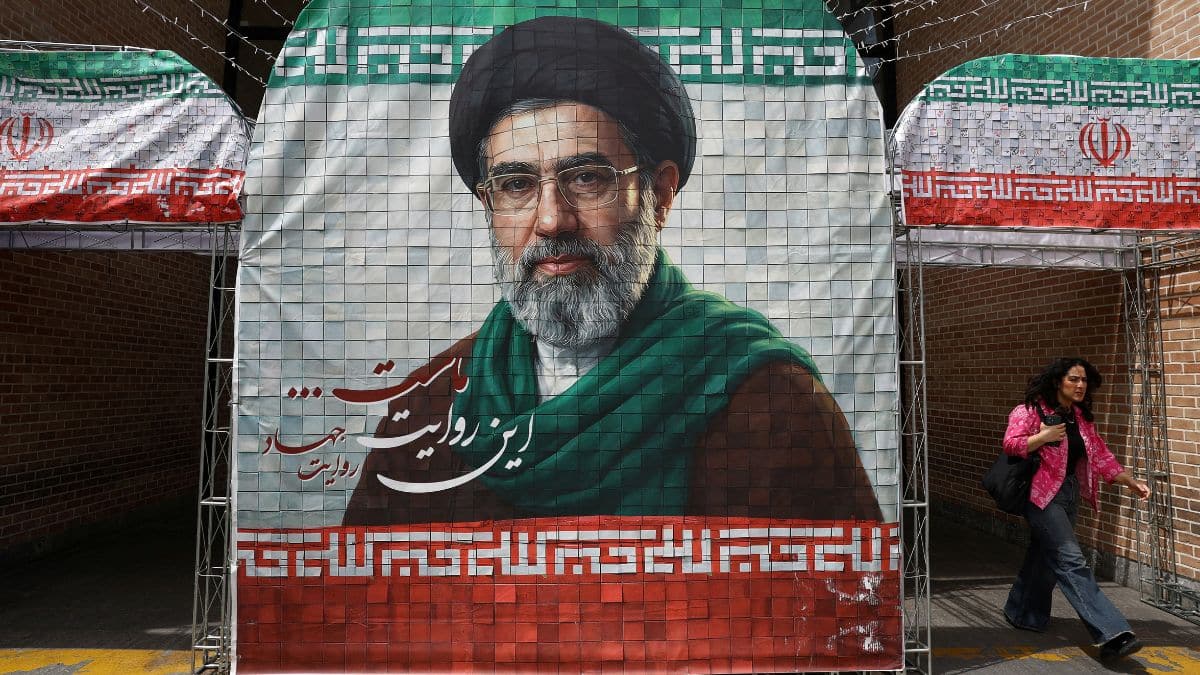
Iran has been fighting the United States and Israel for six months.
Its leaders are now giving important jobs to experienced military officers and strict religious officials.
This suggests they expect the conflict with the United States to last.
Some Iranian officials still want negotiations, but hard-liners oppose making agreements with Washington.
Iran’s economy is suffering from sanctions, inflation and shortages.
Leaders are also worried that economic problems could cause new protests.
Hossein Taeb was put in charge of the Basij, a group that helps the government monitor and control dissent.
Iran must now try to resist the United States while keeping problems at home from becoming bigger.

Iran has appointed veteran generals and clerics to key security positions around Supreme Leader Ayatollah Mojtaba Khamenei.
The appointments suggest Tehran is preparing for a prolonged confrontation with Washington rather than a quick return to negotiations.
Mohsen Rezaei became secretary of the Supreme National Security Council, while Brig Gen Ahmad Vahidi was confirmed as Revolutionary Guard chief.
Hard-line cleric Hossein Taeb was appointed to lead the Basij, signaling concern about economic unrest and renewed protests.
Iran faces inflation, reduced purchasing power and shortages as it weighs escalation against the risk of further US military and economic pressure.
- Who
- Iran’s Supreme Leader Ayatollah Mojtaba Khamenei, military and security officials, President Masoud Pezeshkian, and other Iranian political factions.
- What
- Iran is strengthening its hard-line military and security leadership while preparing for a prolonged confrontation with the United States and trying to prevent domestic unrest.
- Where
- Iran, with the broader conflict involving the United States and Israel and possible escalation around the Persian Gulf and Strait of Hormuz.
- When
- Six months into the war; key appointments were announced on August 11 and 12.
- Why
- Tehran wants to maintain a strong position against Washington, respond to continuing US pressure and prevent economic discontent from developing into protests.
Negotiation Advocates
Hard-Line Security Establishment
Future of the conflict
Negotiation Advocates
President Masoud Pezeshkian’s camp argues that continued confrontation could leave Iran economically weaker and favors a negotiated end.
Hard-Line Security Establishment
Hard-liners are strengthening military and security institutions and appear to be preparing for a prolonged confrontation with Washington.
Relations with Washington
Negotiation Advocates
Some Iranian officials appear willing to negotiate if the United States makes significant concessions.
Hard-Line Security Establishment
Other hard-liners oppose normalizing relations with the United States and distrust agreements with Washington.
Response to pressure
Negotiation Advocates
A major escalation could trigger renewed American military action while Iran’s economy is already under severe pressure.
Hard-Line Security Establishment
Escalation, including possible disruption of oil flows through the Persian Gulf, could strengthen Iran’s deterrence.
Key facts
- Conflict duration
- The war involving Iran, the United States and Israel has lasted six months.
- Security council appointment
- Veteran Revolutionary Guard commander Mohsen Rezaei was appointed secretary of Iran’s Supreme National Security Council.
- Revolutionary Guard leadership
- Brig Gen Ahmad Vahidi was confirmed as head of the Revolutionary Guard after serving as acting commander.
- Basij appointment
- Hard-line cleric Hossein Taeb was appointed head of the Basij.
- Economic pressures
- Iran is facing inflation, weaker purchasing power and shortages of basic goods amid US sanctions and blockade.
- Negotiating position
- President Masoud Pezeshkian’s camp supports a negotiated end to the conflict, while some hard-liners oppose normalizing relations with the United States.
- Potential escalation
- Iranian officials have warned that Tehran could escalate the conflict, including by disrupting oil flows through the Persian Gulf.
Sources
Related news
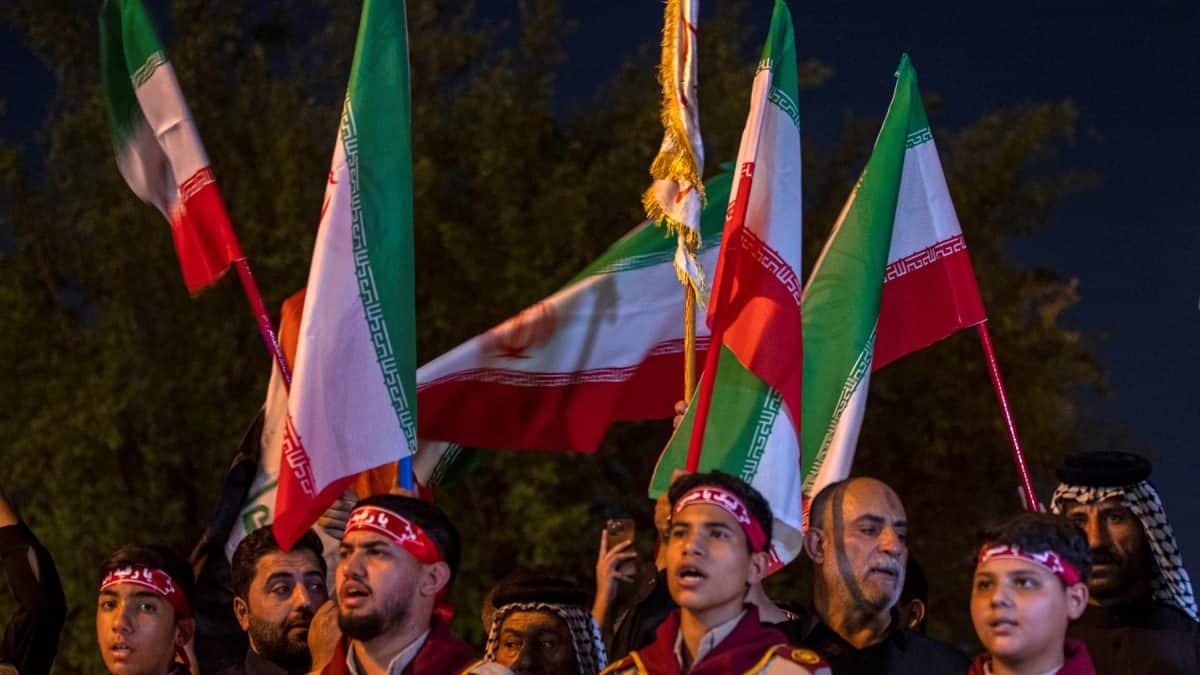
Iran hard-liners brace for prolonged war, expand military control
Iran War Reaches Costly Stalemate as Trump Bets on Sanctions

Who Blinks First: Iran Defies U.S. Blockade and Sanctions

Six Months Into Iran War, Economic Crisis Deepens
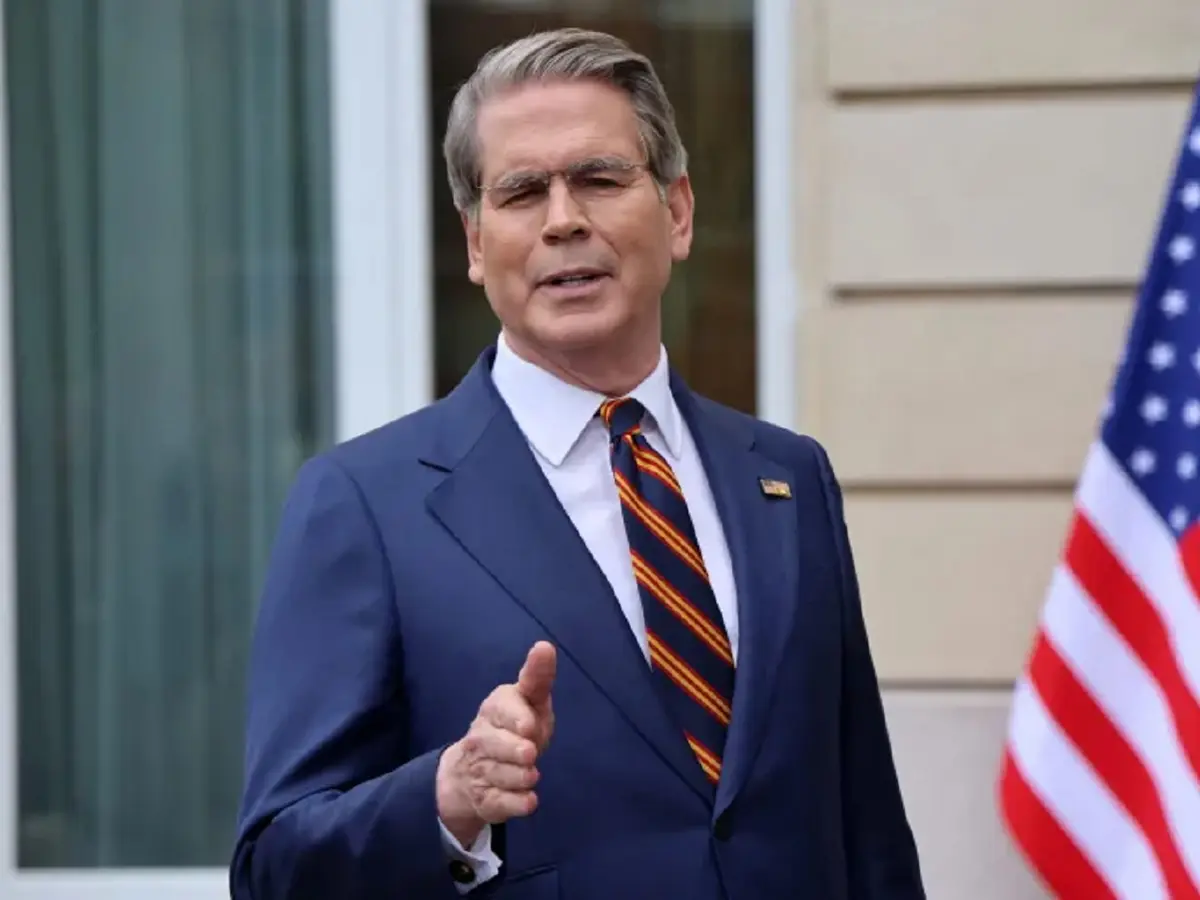
US Sanctions Draw Conflicting Claims About Iran’s Economic Pressure

Saudi Arabia Says Iranian Tanker Attack Killed Two Sailors
U.S.-Iran Exchange Escalates Across Middle East, Markets Slide
Trump Aides Seek Quiet Iran War Before Midterm Elections
US Warns Middle East Travelers Amid Escalating Iran-Linked Tensions

Indian Stocks Slide as Oil, Conflict and Yields Rise