2 weeks ago
Iran hard-liners brace for prolonged war, expand military control
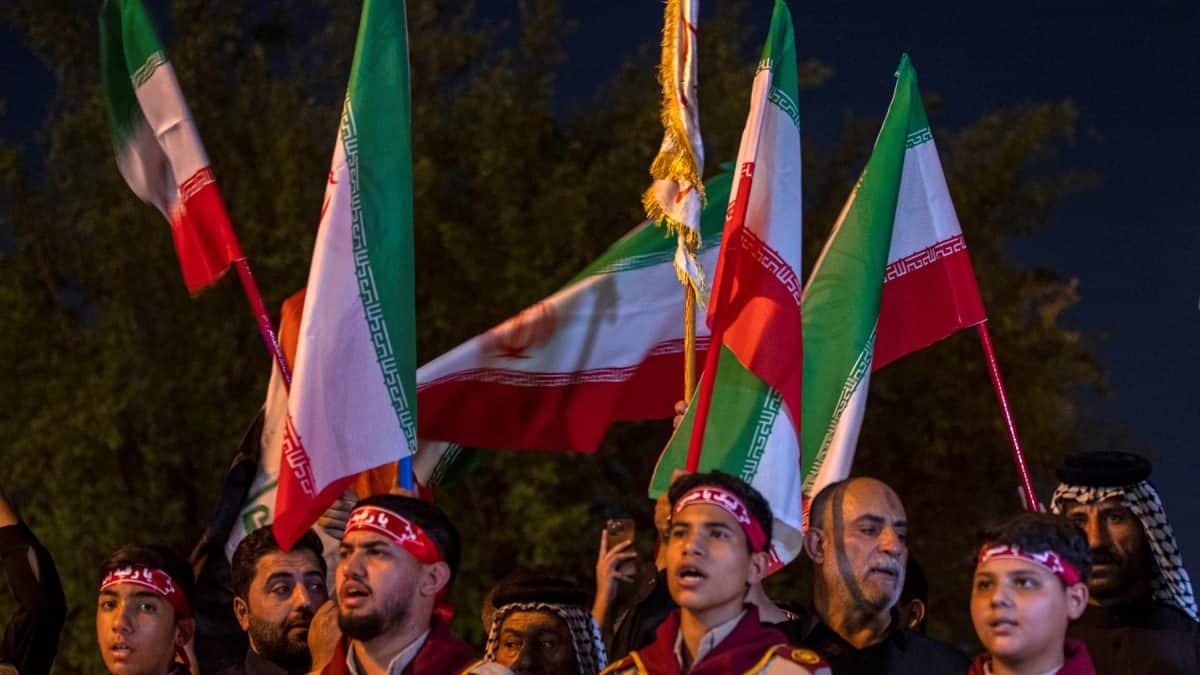
Iran is a country in the Middle East.
Some of its leaders, called hard-liners, think the United States and Israel might attack them.
So they are getting ready for a long fight.
They are making more missiles and drones, which are flying machines that can carry weapons.
They are also giving more power to a special military group called the Revolutionary Guard.
Iran is working with other armed groups in Iraq and Yemen.
These groups could help Iran fight in more places, like near the Red Sea.
Some nearby countries, called Gulf states, are worried.
They fear that a war could hurt their buildings and energy places.
The United States is trying to use talking and economic sanctions instead of fighting.

Arab intelligence agencies found evidence that Iran's hard-line leadership is preparing for a broader, prolonged regional conflict, according to The Wall Street Journal.
Iranian hard-liners reportedly viewed mid-June diplomatic efforts with deep suspicion, interpreting them as a US-Israel attempt to ease economic pressure while creating time for future military action.
Iran is expanding the role of the Islamic Revolutionary Guard Corps (IRGC) to create a more centralized military command and is accelerating missile and drone production.
Tehran is deepening operational coordination with allied armed groups in Iraq and Yemen, potentially enabling pressure on maritime routes including the Red Sea.
Gulf states are increasingly concerned that a wider conflict could bring attacks on infrastructure, energy facilities, and other strategic targets.
- Who
- Iran's hard-line leadership, including the Islamic Revolutionary Guard Corps (IRGC), and allied armed groups in Iraq and Yemen, monitored by Arab and Western intelligence agencies.
- What
- Preparing for a broader, prolonged regional conflict by restructuring military command, accelerating missile and drone production, and deepening coordination with allied groups.
- Where
- Iran, Iraq, Yemen, the Red Sea region, and Gulf states.
- When
- In the period following mid-June diplomatic efforts, according to recent intelligence assessments.
- Why
- Hard-liners distrust diplomatic efforts and expect a longer confrontation with the United States and Israel.
Iranian hard-liners' view
US and Gulf states' view
Diplomatic efforts
Iranian hard-liners' view
Mid-June talks were viewed with deep suspicion as a US-Israel attempt to ease economic pressure while creating time for future military action.
US and Gulf states' view
Diplomatic efforts were seen as a possible path toward reducing tensions and reaching a lasting settlement.
Military buildup
Iranian hard-liners' view
Strengthening military command, missile and drone production, and proxy coordination is needed to sustain a wider war.
US and Gulf states' view
The buildup raises fears of attacks on infrastructure and energy facilities and a broader regional conflict.
Key facts
- Reported by
- The Wall Street Journal, citing Arab intelligence agencies
- Key development
- Expansion of IRGC role for a more centralized military command
- Military measures
- Accelerated missile and drone production; tighter counterintelligence
- Command changes
- Veteran commanders moved into key defence and security positions
- Proxy coordination
- Closer operational coordination with allied groups in Iraq and Yemen
- Maritime concern
- Potential pressure on routes including the Red Sea
- Gulf concerns
- Possible attacks on infrastructure and energy facilities
- US approach
- Diplomatic channels and economic sanctions
Sources
Related news
Iran’s Hard-Liners Tighten Grip After Six Months of War
Iran Prepares Bigger Fight with US and Israel After Ceasefire
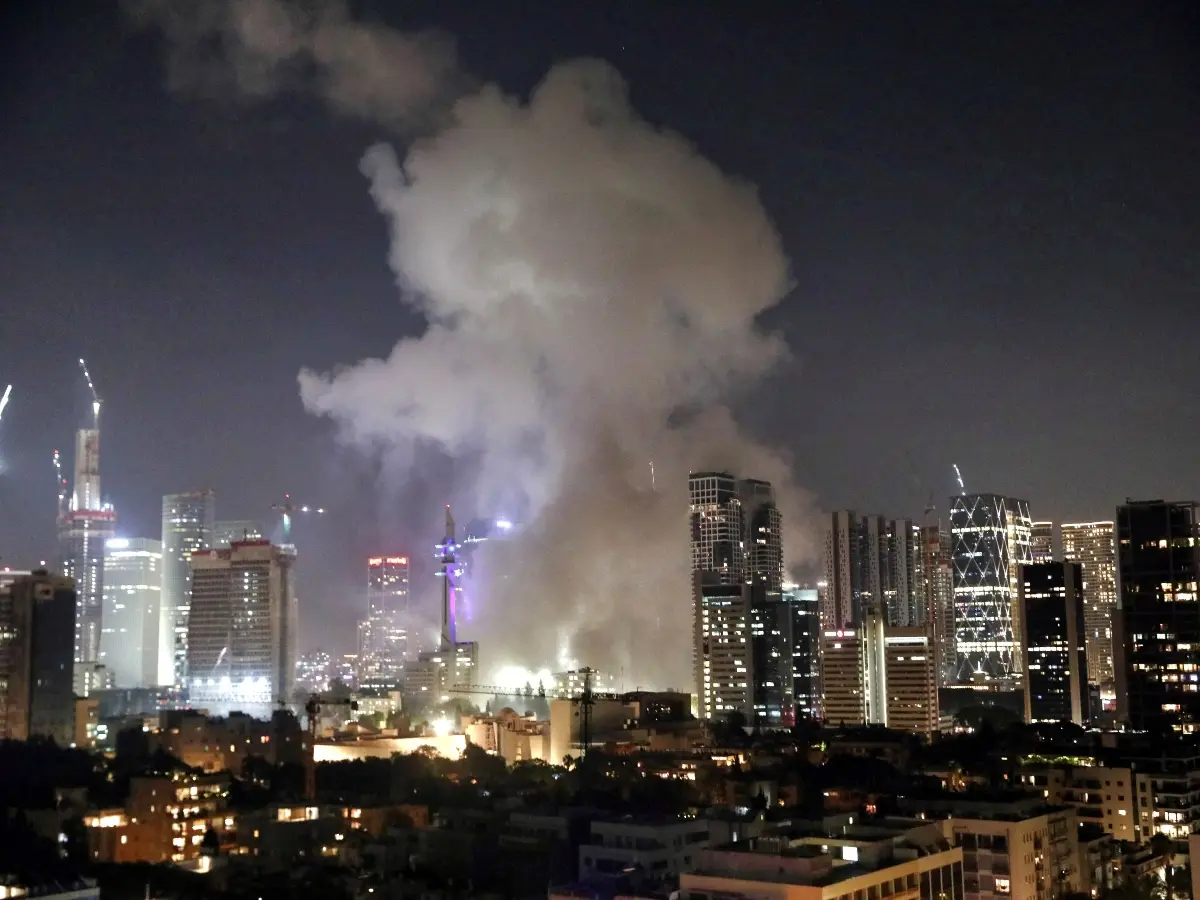
Iran Weighs European US Targets If Trump Escalates War

IRGC adviser says Iran may prolong war until Trump leaves

Iran threatens offensive in Hormuz as US peace talks stall
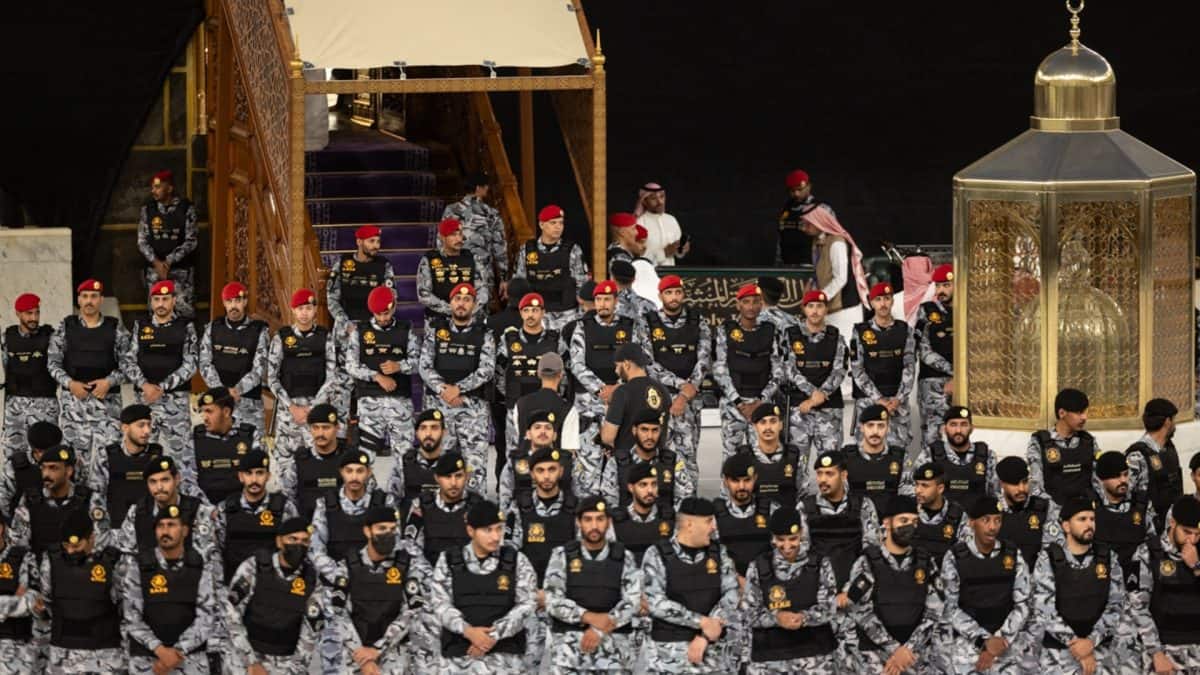
Saudi Arabia braces for multiple coordinated attacks, officials report
Tom Hanks Revisits World War II in 20-Part Docuseries

iPhone 18 Pro Max India Sale Dates And Pricing Uncertain
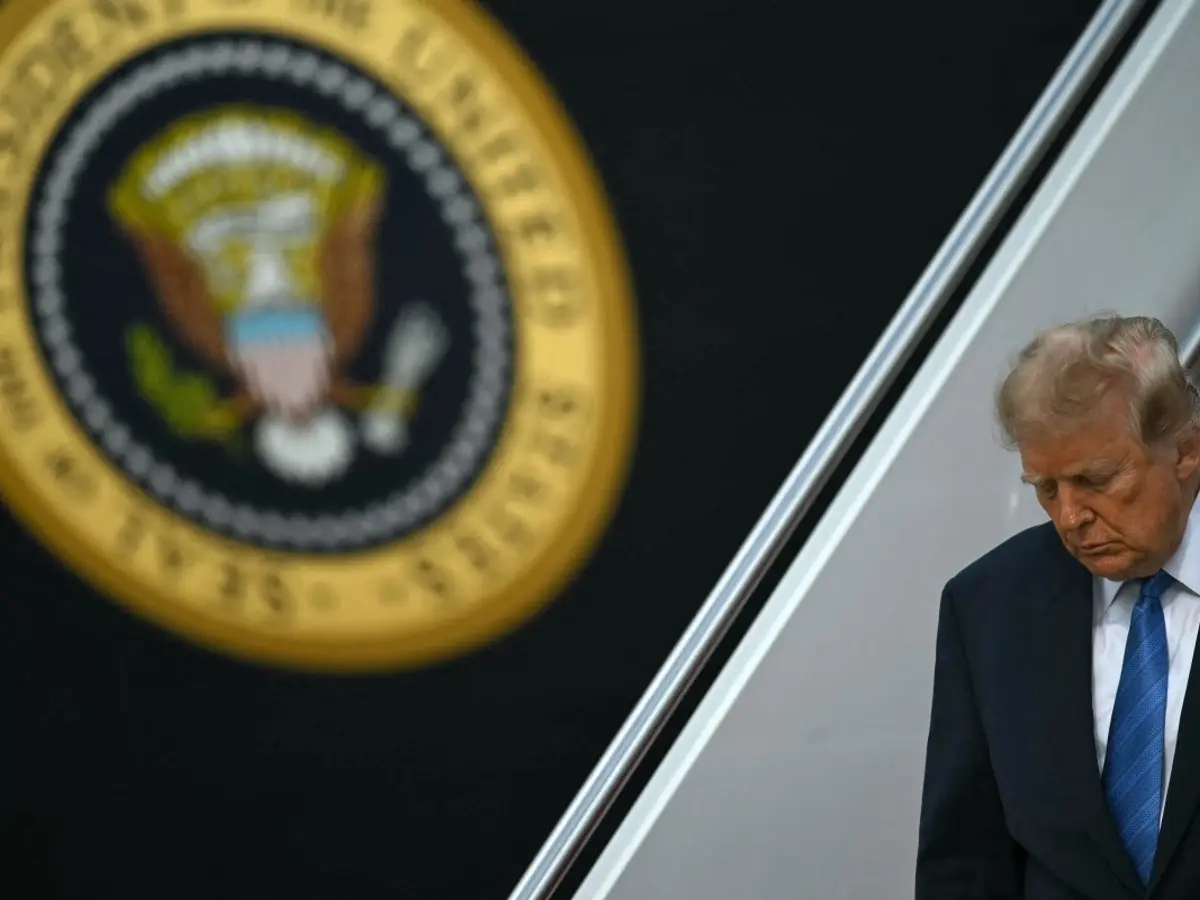
US Strikes Larak Island, Iran Vows Response Amid Escalation
Treasury Blocks Major Outlets From G20 Finance Meeting

Trump Calls for FCC Action After Attacking NBC Host