2 hrs ago
Iran Offers Seven-Day Ceasefire Framework, Seeks India’s Peace Voice
Iran says it wants the fighting with the United States to stop.
Its diplomats proposed a seven-day plan through mediators.
Iran said it could reopen the Strait of Hormuz and restart talks about nuclear issues.
In return, it wanted the United States to end naval blockades and reduce restrictions on Iranian oil exports.
Iran also asked for frozen money to be released and for fighting to stop across the region.
The ambassador said Iran will defend itself but does not see war as the answer.
Iran wants Gulf countries to work together on security without foreign military forces.
It asked India to help support peace and discussions.
Iran also said it hopes its economic relationship with India, including the Chabahar project, will continue.

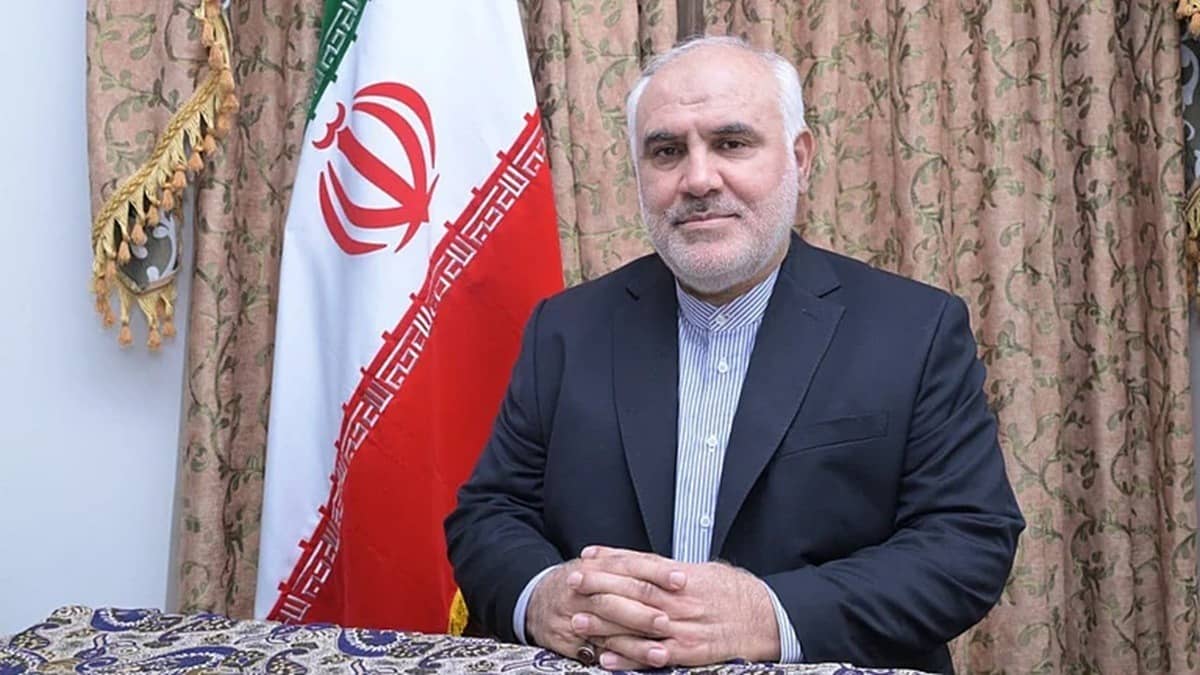
Iranian Ambassador Mohammad Fathali said Tehran submitted a phased seven-day proposal through mediators on September 16.
The proposal offered to reopen the Strait of Hormuz and resume nuclear negotiations if the United States lifted blockades and eased sanctions.
Iran also sought the release of frozen assets and a region-wide ceasefire, including in Lebanon and Yemen.
Fathali said Iran’s immediate goal is ending hostilities and returning to diplomacy, but not negotiating under pressure or threats.
Iran welcomed India as a potential voice for peace and expressed optimism about continued economic cooperation, including Chabahar.
- Who
- Iran, represented by Ambassador Mohammad Fathali, and the United States are the principal parties discussed; India is identified as a possible diplomatic voice.
- What
- Iran proposed a phased seven-day framework involving a ceasefire, reciprocal U.S. measures, reopening the Strait of Hormuz, and renewed negotiations.
- Where
- The proposal concerns Iran, the United States, the Strait of Hormuz, and wider regional fronts including Lebanon and Yemen.
- When
- The proposal was submitted through mediators on September 16, following an understanding reached on June 17 and discussions around the United Nations General Assembly.
- Why
- Iran says it wants to end hostilities, remove hostile measures, and return to negotiations while seeking a regional, cooperative Gulf security arrangement.
Iran’s stated position
United States’ reported position
Ceasefire framework
Iran’s stated position
Iran said it offered to reopen the Strait of Hormuz and resume negotiations in exchange for reciprocal U.S. steps, including lifting blockades, easing oil restrictions, releasing frozen assets, and supporting a regional ceasefire.
United States’ reported position
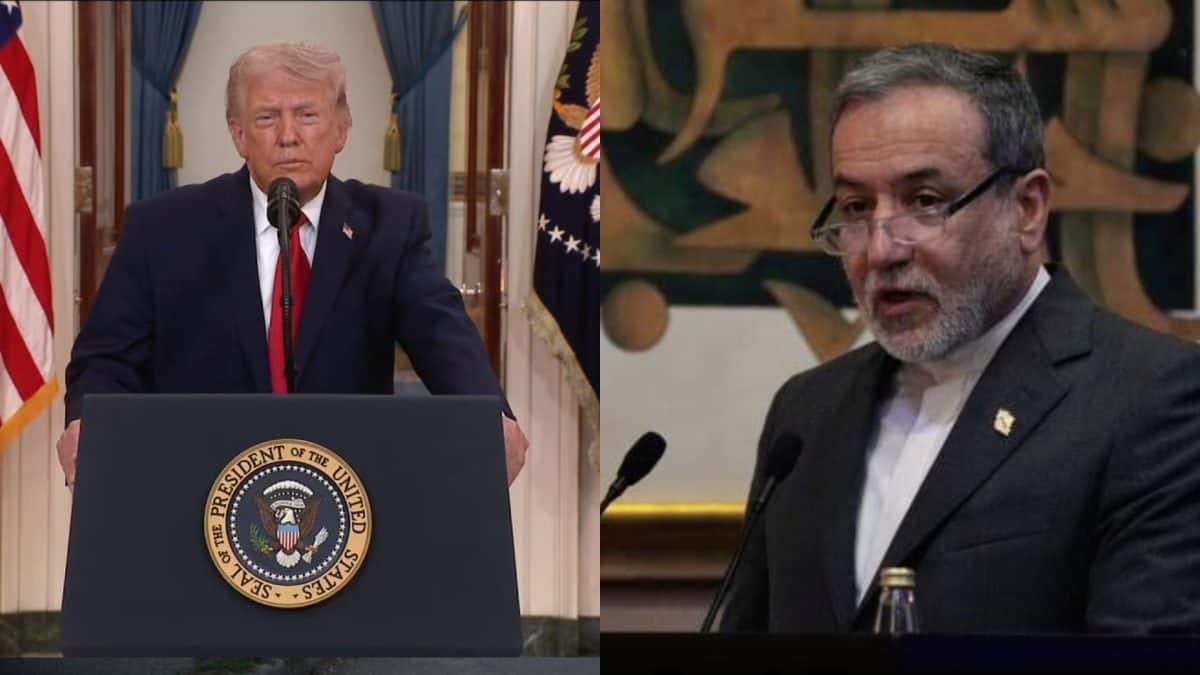
The article says President Trump rejected Iran’s proposal; it does not provide a detailed U.S. explanation of that rejection.
Conditions for negotiations
Iran’s stated position
Iran says diplomacy remains possible but rejects negotiations conducted under pressure, threats, or unilateral conditions.
United States’ reported position
According to the ambassador, the other side’s excessive demands have made agreement difficult; the article does not specify the United States’ full negotiating conditions.
Regional security
Iran’s stated position
Iran favors a Gulf security system led by regional countries, based on dialogue, cooperation, sovereignty, and the absence of foreign forces.
United States’ reported position
The article does not present a detailed U.S. position on the future Gulf security arrangement.
Key facts
- Proposal date
- Iran said it submitted the framework through mediators on September 16.
- Framework duration
- The plan was described as a phased seven-day framework.
- Iranian offer
- Reopen the Strait of Hormuz within seven days and resume negotiations, including on the nuclear issue.
- Requested U.S. measures
- Lift the naval and port blockades, suspend oil-related sanctions, release frozen Iranian assets, and declare a regional ceasefire.
- Iran’s immediate objective
- End the war and stop hostilities, followed by negotiations.
- India’s proposed role
- Serve as an influential voice supporting peace, stability, multilateralism, and dialogue.
- Economic cooperation
- Iran expressed optimism about future India-Iran cooperation in energy, transport, transit, trade, investment, and regional connectivity.
Quotes

Masoud Pezeshkian
President of Iran, whose UN General Assembly message was discussed in the interview
“We are not afraid of war in defending ourselves, and we do not shy away from negotiations for peace.”
 republicworld.com
Sources
Related news
Iran Offers Seven-Day Plan for Hormuz, Nuclear Talks

Iran Offers Seven-Day Hormuz Reopening for U.S. Conditions

Iran Proposes Seven-Day Truce, Delays Hormuz Reopening Until Day Six

Iran, US Remain Far Apart as Diplomacy Continues
Iran Signals Talks While Warning Conflict Could Expand

Iran Offers Seven-Day Hormuz Plan, Trump Rejects Terms
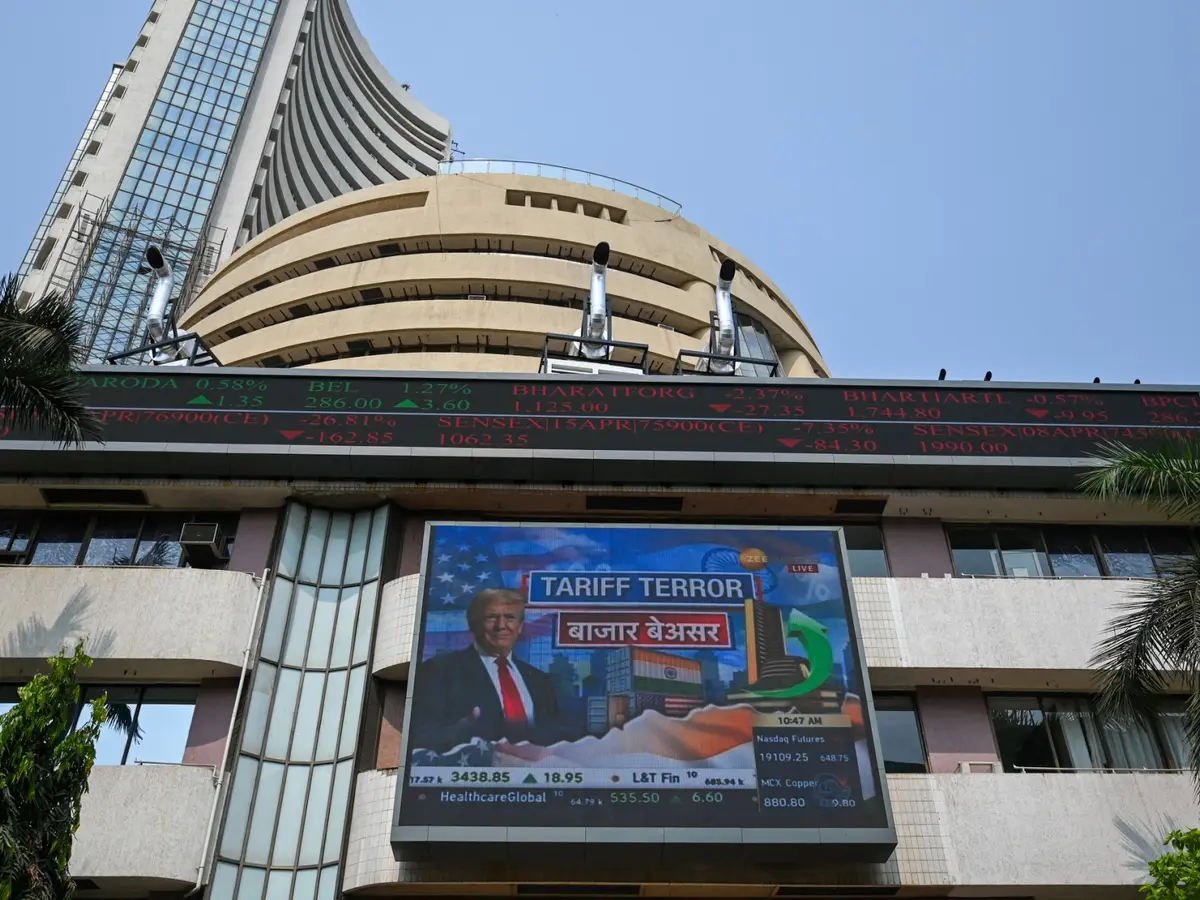
Indian Stock Market Crash Wipes Out ₹7.4 Lakh Crore
Iranian Leader Says US Will Be Forced From Middle East

Endless Wars Reshape Battlefields Through Drones, Missiles and Technology
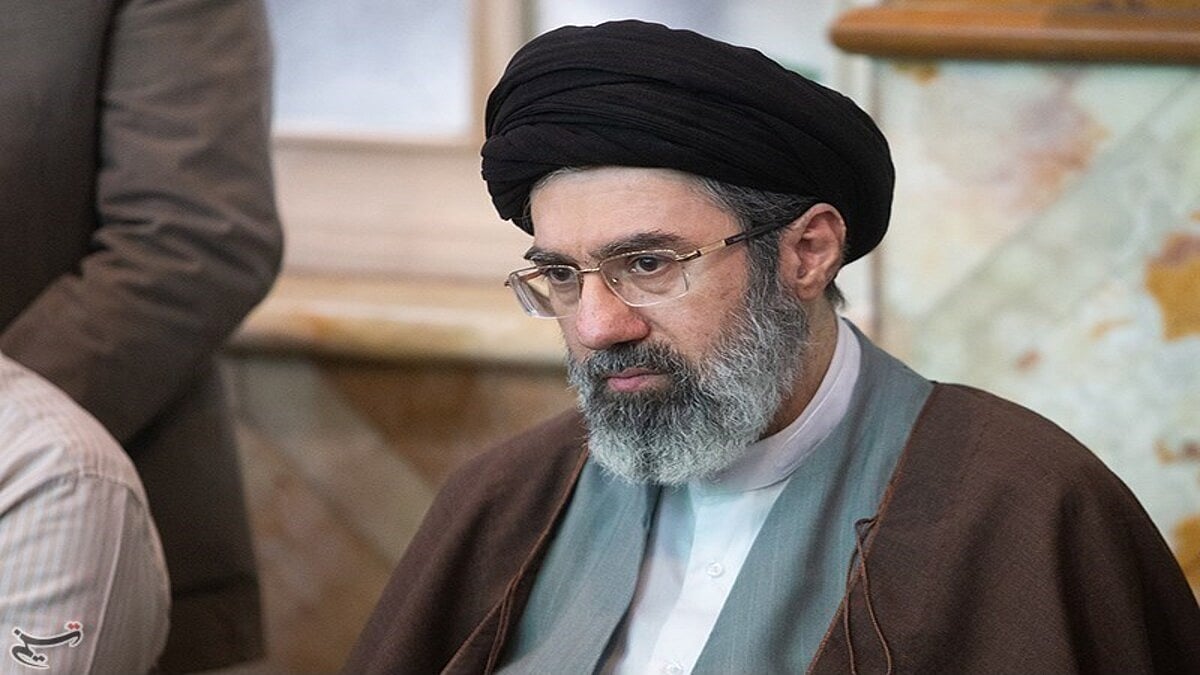
Iran’s Mojtaba Khamenei Says Enemy Forces Pushed From Hormuz