2 hrs ago
Iran Proposes Seven-Day Plan to Reopen Hormuz, Resume Talks
Iran says it has offered the United States a seven-day plan.
The plan would allow ships to move through the Strait of Hormuz again if certain conditions are met.
Iran also wants to restart larger talks about its conflict with the United States.
Those talks could include Iran’s nuclear program.
The proposal was sent through other countries acting as messengers.
Iran says the plan is similar to an understanding discussed in June.
The United States has not publicly responded to the reported proposal.
Iran says it wants peaceful nuclear technology, while the United States wants safeguards against nuclear weapons.
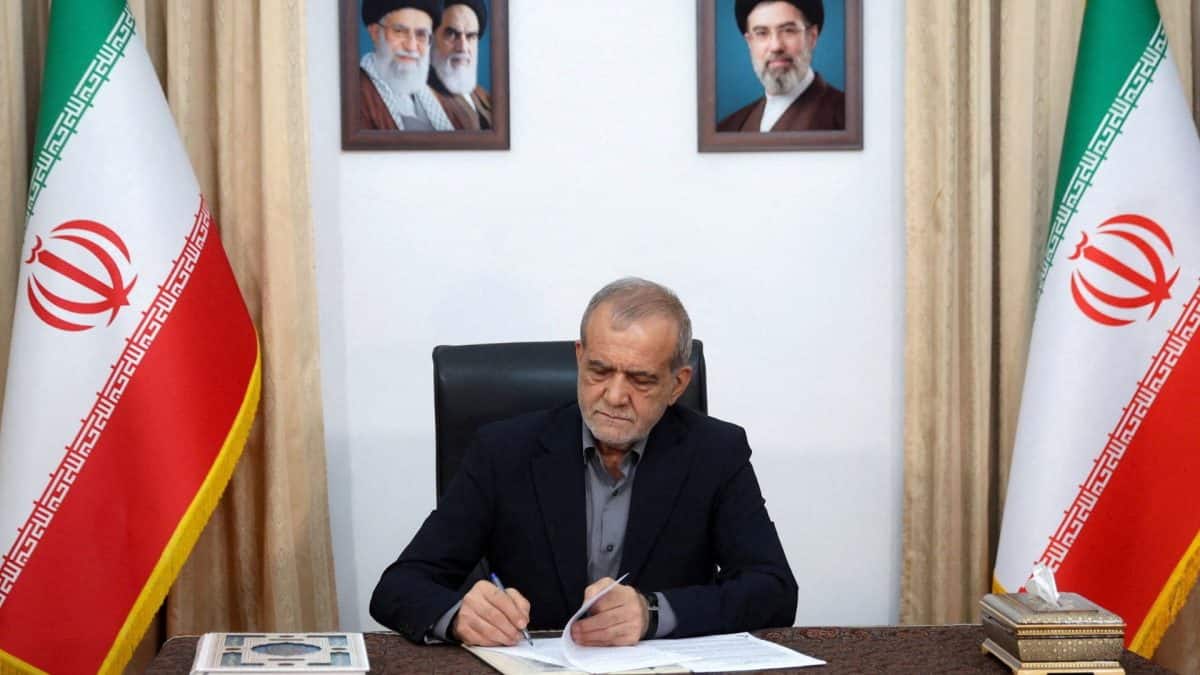
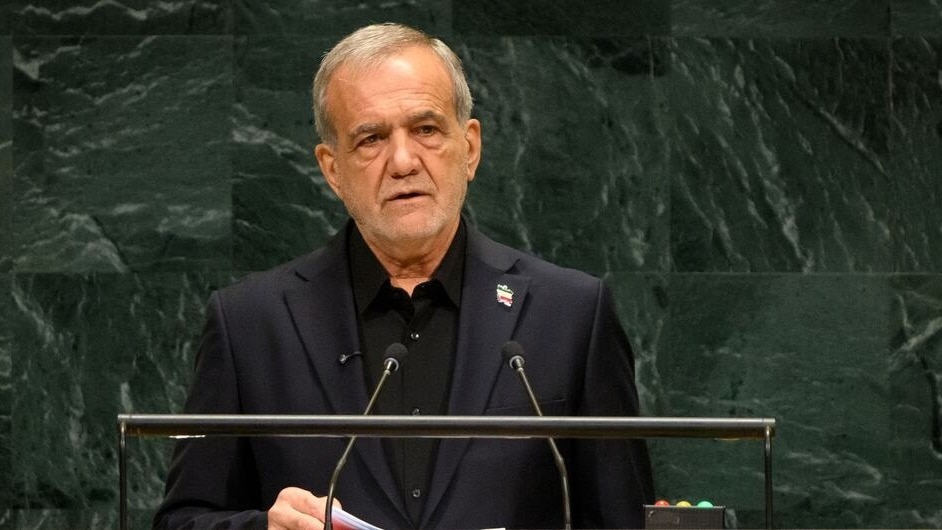
Iran’s president says his country will negotiate but will not accept threats or military pressure.

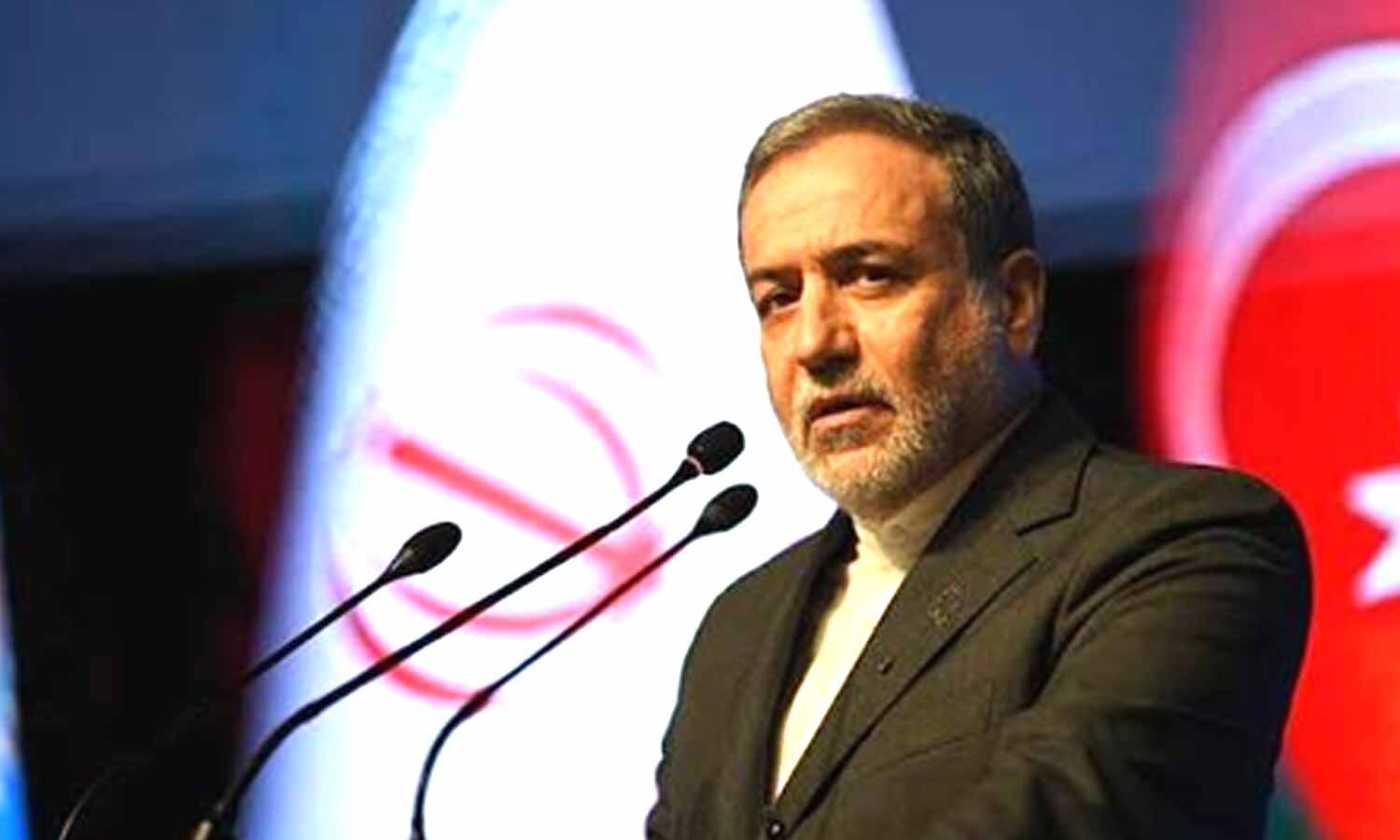
Iranian Foreign Minister Abbas Araghchi says Tehran offered a seven-day plan to reopen the Strait of Hormuz and restart negotiations with the United States.
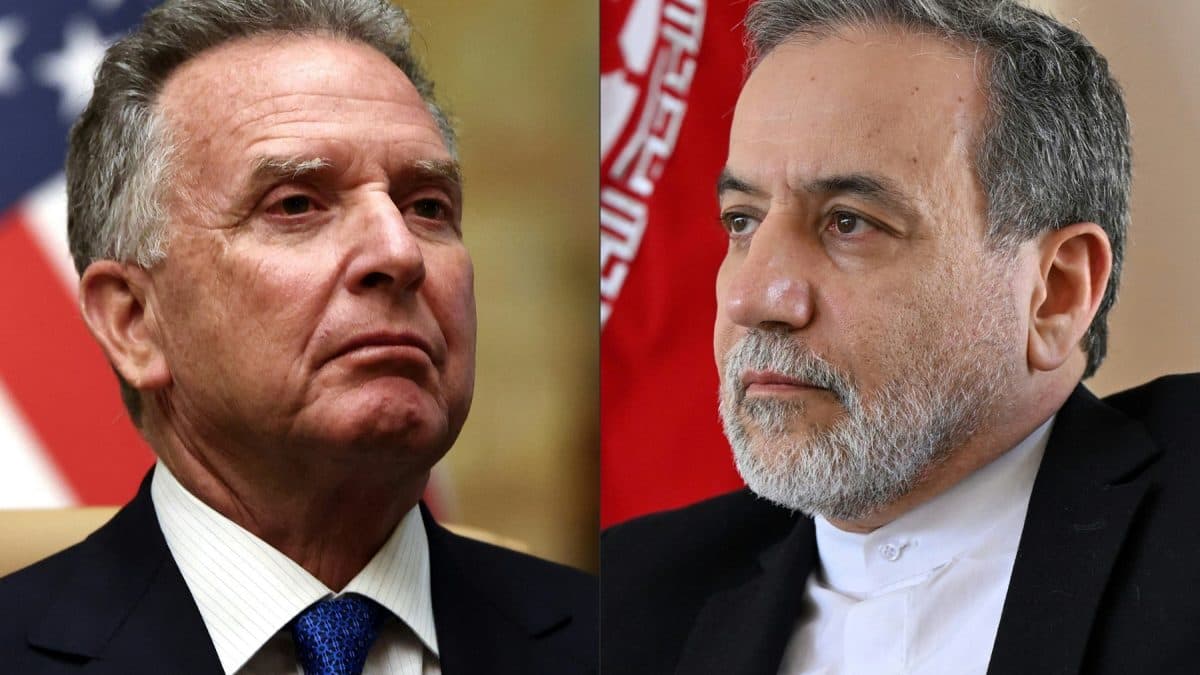
The proposal was reportedly delivered through mediators during indirect discussions and resembles a June memorandum of understanding.
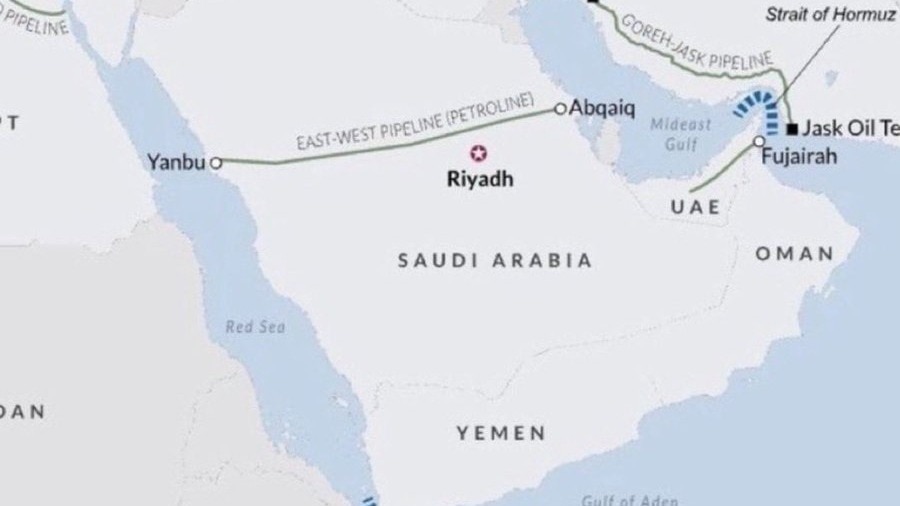
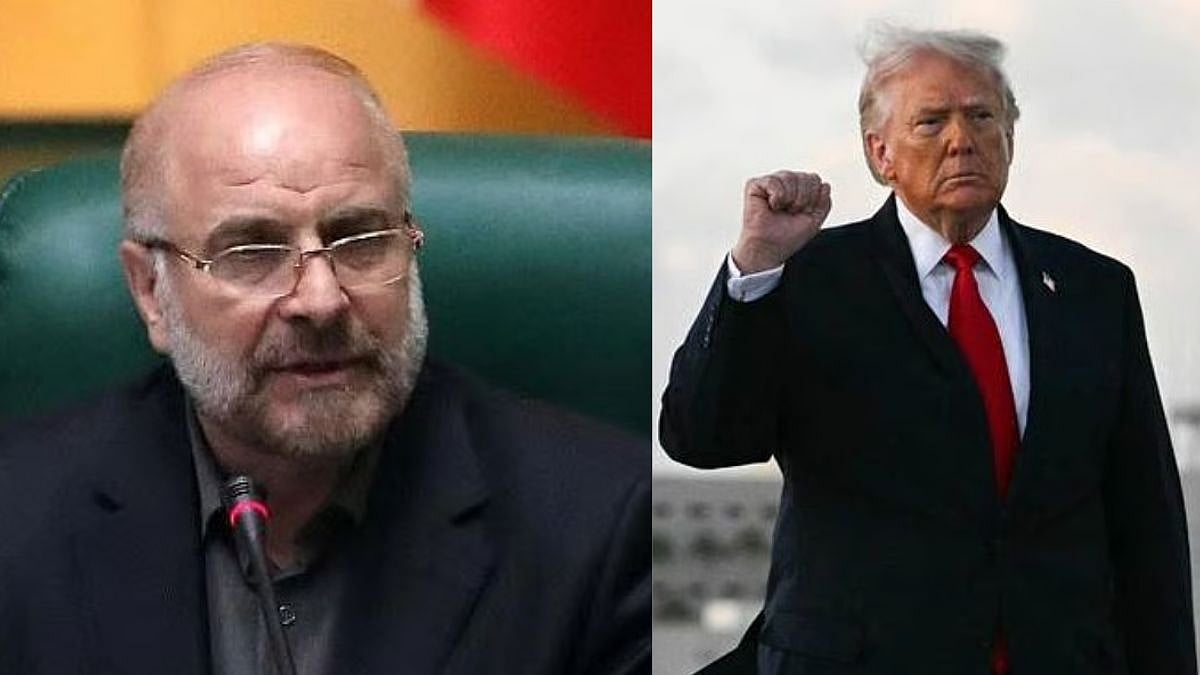
Iran says reopening the waterway depends on specified conditions, while the United States and regional partners reject Tehran’s interpretation of control over the strait.
The proposed negotiations would address Iran’s nuclear program, although Araghchi did not specify whether nuclear issues would be covered during the seven-day process.
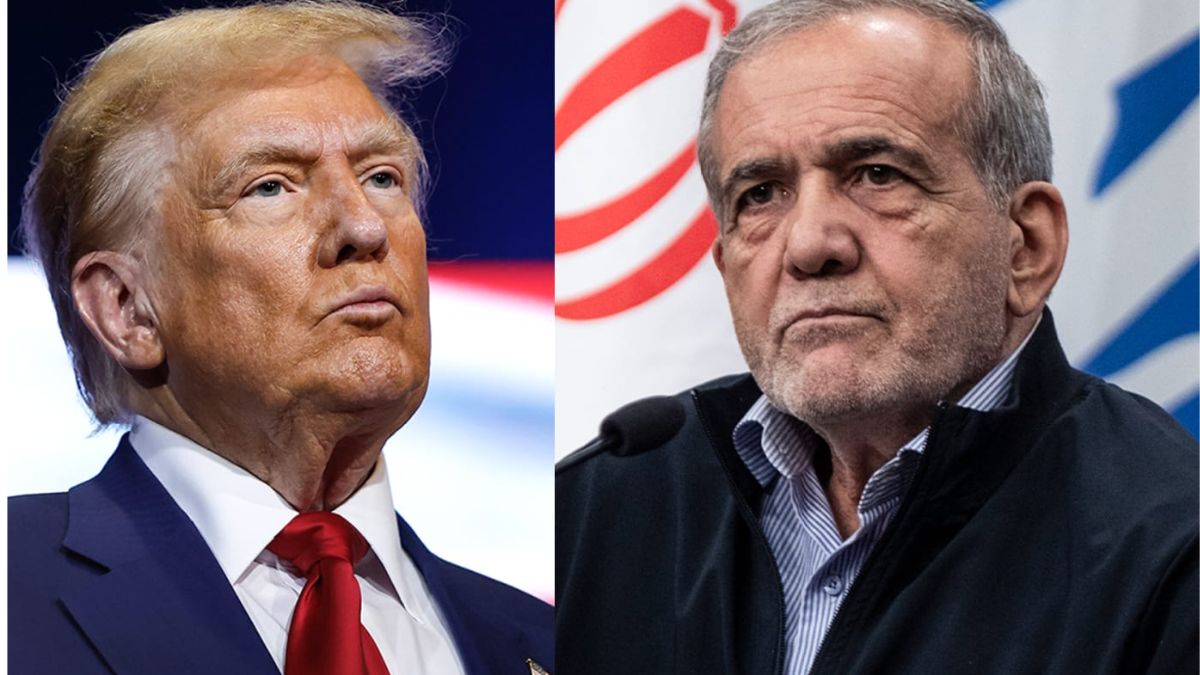
Iranian President Masoud Pezeshkian says Tehran remains open to diplomacy but rejects negotiations conducted under military pressure.
- Who
- Iranian Foreign Minister Abbas Araghchi and President Masoud Pezeshkian presented Iran’s position; the intended negotiating counterpart is the administration of United States President Donald Trump.
- What
- Iran reportedly proposed reopening the Strait of Hormuz within seven days and resuming broader negotiations aimed at ending the conflict, including discussions of its nuclear program.
- Where
- The proposal concerns the Strait of Hormuz and was transmitted through mediators; Araghchi spoke in New York.
- When
- The proposal was conveyed during indirect discussions reported to have taken place this week; Araghchi discussed it on the sidelines of the United Nations General Assembly.
- Why
- Iran says diplomacy requires conditions including an end to United States military pressure and intervention, while Washington seeks safeguards against Iran developing nuclear weapons.
Iran’s Position
United States’ Position
Conditions for reopening Hormuz
Iran’s Position
Iran says the strait can reopen after specified conditions are met and rejects being portrayed as responsible for insecurity in the waterway.
United States’ Position
The United States and its regional partners reject Iran’s interpretation that the June understanding recognized Iranian control over the strait.
Nuclear program
Iran’s Position
Iran says it supports diplomacy, will not seek nuclear weapons, and retains the right to develop peaceful nuclear technologies.
United States’ Position
The United States says safeguards are needed to ensure Iran cannot develop a nuclear weapon.
Military pressure and negotiations
Iran’s Position
Iran says United States and Israeli military action undermined earlier negotiations and that diplomacy cannot proceed under threats or force.
United States’ Position
Donald Trump has said the United States joined Israel to prevent Iran from developing nuclear weapons and has demanded an agreement to end the conflict.
Key facts
- Proposed timeline
- The Strait of Hormuz would reopen at the end of the seventh day if specified conditions were met.
- Diplomatic channel
- Iran says it transmitted the proposal to United States officials through mediators during indirect discussions.
- Earlier understanding
- Araghchi said the proposal resembles a memorandum of understanding reached by Iran and the United States in June.
- Nuclear talks
- The plan would lead to comprehensive negotiations on Iran’s nuclear program, but it is unclear whether nuclear issues would be addressed during the seven-day process.
- Strategic waterway
- Between one-fifth and one-quarter of global oil supplies ordinarily pass through the Strait of Hormuz.
- United States response
- The White House had not immediately responded to a request for comment.
- Iranian position
- Pezeshkian said Iran is ready for dialogue and diplomacy but will not negotiate under the language of force.
Quotes
Syed Abbas Araghchi
Iranian foreign minister speaking to reporters at the United Nations General Assembly
“We have introduced a plan to the United States through the intermediators that if certain conditions are met, the Strait of Hormuz would be open on the end of the seventh day and talks would restart...it would be better, if a deal was reached before the U.S. midterm elections”
 republicworld.com
 freepressjournal.in
 deccanchronicle.com
“We did reach an agreement with your president, that agreement was signed, and based on that, we are willing and still wish to move forward.”
republicworld.com
freepressjournal.in
deccanchronicle.com
Sources
Iran Foreign Minister Aragchi Offers Seven-Day Plan to End Conflict, Open Hormuz & Restart Peace Talks
Iran Offers 7-Day Plan To End West Asia Conflict, Reopen Strait Of Hormuz And Resume Nuclear Talks With US
Iran offers seven-day path to US talks: Report
Iran proposes 7-day plan to reopen Strait of Hormuz, start nuclear talks

Iran Offers 7-Day Plan To End Conflict, Open Hormuz, Restart Peace Talks
Related news

Iran Offers Seven-Day Hormuz Reopening If US Eases Pressure
Iran, US Envoys Discuss Conditions for Reopening Strait of Hormuz
Iran Ties Hormuz Reopening and Talks to US Conditions
Trump-Pezeshkian UNGA Meeting Could Test Iran’s Hormuz Offer
Iran Offers Seven-Day Hormuz Opening as Rubio Signals Talks

Trump Calls for Iran Isolation While Gulf Seeks Diplomacy
Iran’s Pezeshkian Urges US to Revive June Truce Before Midterms

Iran’s Pezeshkian Offers Nuclear Inspections, Challenges Trump Over War

Iran Seeks June Ceasefire Revival, Offers Nuclear Concession Before Midterms
Oil Prices Dip as Iran Truce Hopes Offset Attack Fears