

1 hr ago
Iran, US Remain Far Apart as Diplomacy Continues

Iran and the United States are trying to discuss how to end their war.
Their first known indirect talks in months took place through mediators.
Iran says it wants the war to stop, its ports unblocked, and the Strait of Hormuz reopened.
Iran also wants some of its frozen money released.
The United States says reaching an agreement will be difficult and that military options remain possible.
Iranian President Masoud Pezeshkian said Iran would not give in to pressure.
Some Iranian hardliners criticized the talks with American representatives.
Fighting near the Strait of Hormuz has disrupted energy shipments and hurt people.
The two countries still have many disagreements.

A senior Iranian official said Tehran and Washington remain divided over how to end their war, though diplomacy is continuing.
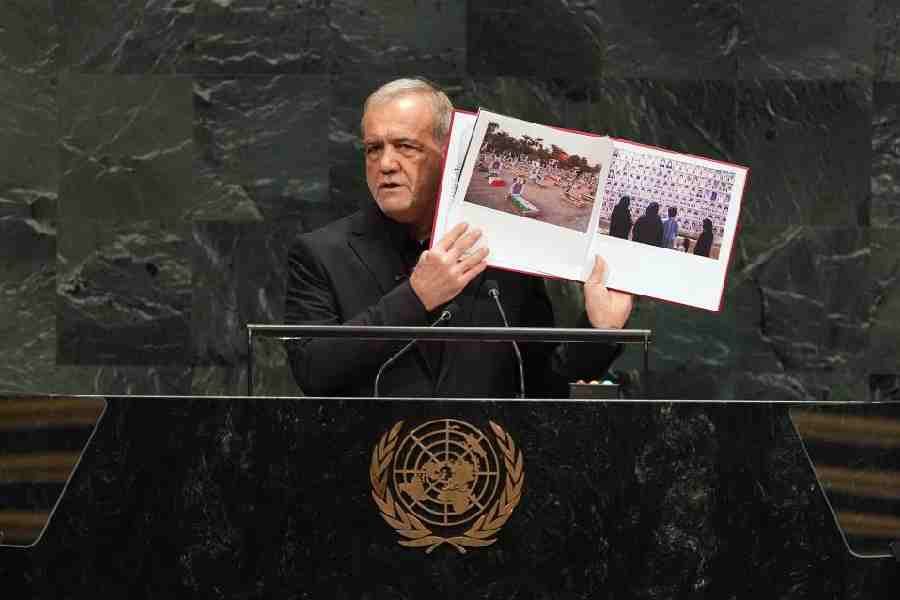
Iranian President Masoud Pezeshkian told the UN that Iran would not surrender to US pressure or seek nuclear weapons.
Iran’s proposals reportedly include ending the war, lifting the US naval blockade, reopening the Strait of Hormuz, and releasing frozen assets.
The United States says any agreement will require difficult negotiations and maintains that military options remain available.
Hardliners in Iran criticized the indirect talks, while continued fighting and Strait of Hormuz disruptions threaten global energy supplies.
- Who
- Iranian and US officials, including Masoud Pezeshkian, Abbas Araqchi, Steve Witkoff and Jared Kushner.
- What
- They held indirect peace discussions, but officials said the two sides remain far apart on ending the war.
- Where
- The diplomatic exchange occurred through a Qatari mediator during the UN gathering in New York; the conflict also affects the Strait of Hormuz and other parts of the region.
- When
- The first known indirect talks since a ceasefire collapsed in July took place on Tuesday; Pezeshkian addressed the UN on Wednesday, September 23.
- Why
- Iran is seeking an end to the war, an end to what it calls US aggression, relief from the naval blockade, access through the Strait of Hormuz, and the release of frozen assets.
Iranian position
US position
Strait of Hormuz
Iranian position
Iran says it should not be denied access to shipping through the strait while other countries benefit from it, and it wants to exert control and collect fees.
US position
The United States says the Strait of Hormuz must remain fully open to international shipping.
Pressure and military threats
Iranian position
Pezeshkian condemned what he called a US bullying mentality and said Iran would not surrender or bow to pressure.
US position
Trump has threatened to annihilate Iran if no deal is reached, while Rubio says military options remain available.
Diplomatic engagement
Iranian position
Iran says diplomacy should continue but has conditions including ending the war, stopping US aggression, lifting the blockade and releasing frozen assets; Iranian hardliners oppose the contacts.
US position
The United States says reaching an agreement will require difficult negotiations over time and has not publicly accepted Iran’s conditions.
Key facts
- Diplomatic contact
- Iranian and US officials exchanged messages for two hours through a Qatari mediator.
- Iranian proposals
- Iran reportedly called for an end to the war on all fronts, an end to US acts of aggression, and the release of frozen Iranian assets.
- Key dispute
- Iran wants control over the Strait of Hormuz and fees from ships, while Washington says the waterway must remain fully open to international shipping.
- UN address
- Pezeshkian told the 193-member UN General Assembly that Iran would not bow to pressure.
- US position
- Secretary of State Marco Rubio said a deal would require hard work over time and that President Donald Trump retains military options.
- Energy impact
- The Strait of Hormuz previously carried about one-fifth of global oil and liquefied natural gas shipments, according to the report.
- Recent maritime incident
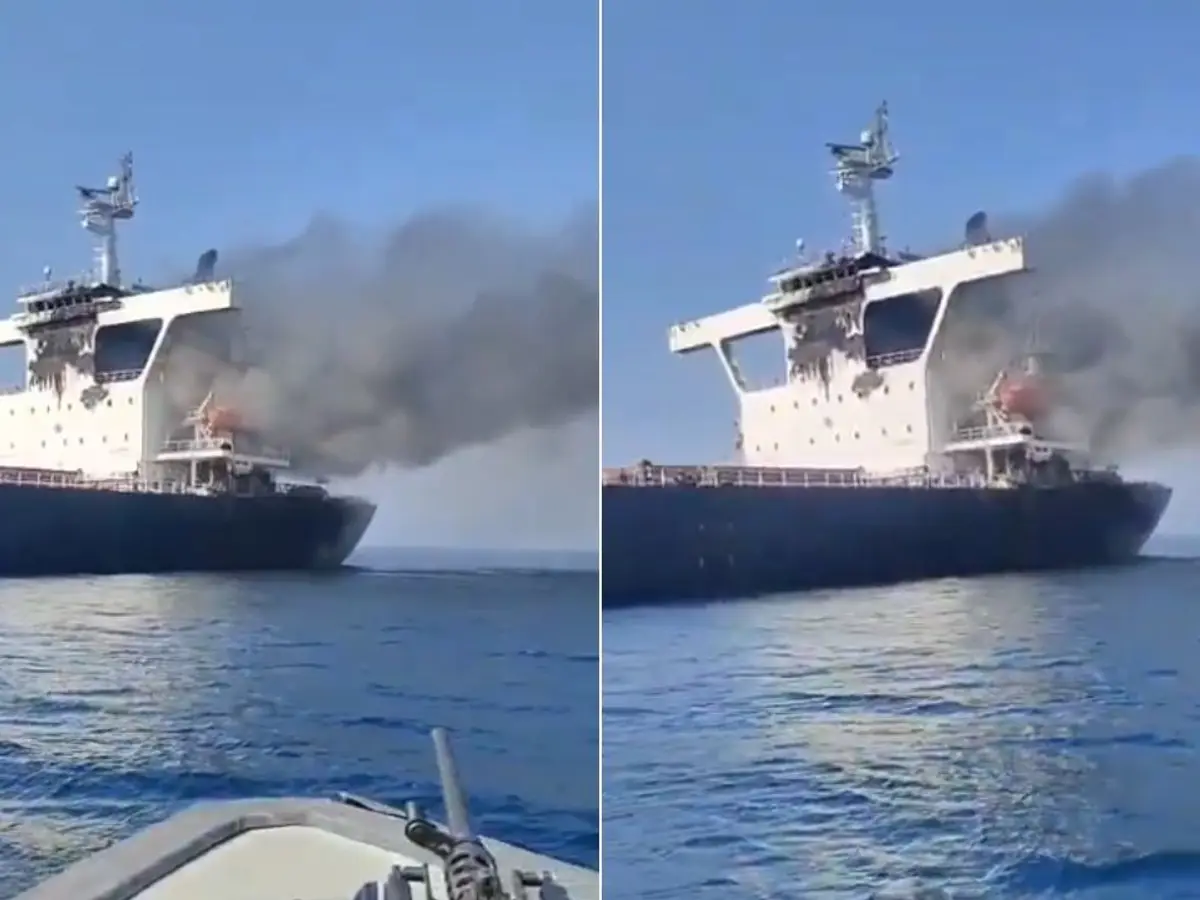
- The UKMTO said a cargo ship was hit by projectiles in the strait, leaving two crew members injured or otherwise casualties before evacuation.
Quotes
Senior Iranian official
Iranian official who spoke to Reuters anonymously about the peace proposals
“It cannot be the case that everyone benefits from the Strait of Hormuz while we are denied access to shipping through this waterway. The permanent deployment of hostile fleets and the expansion of the war will not lead to peace.”
 theprint.in
“There are still many differences between the Iranian and US positions, but diplomacy is continuing.”
theprint.in
Sources
Related news
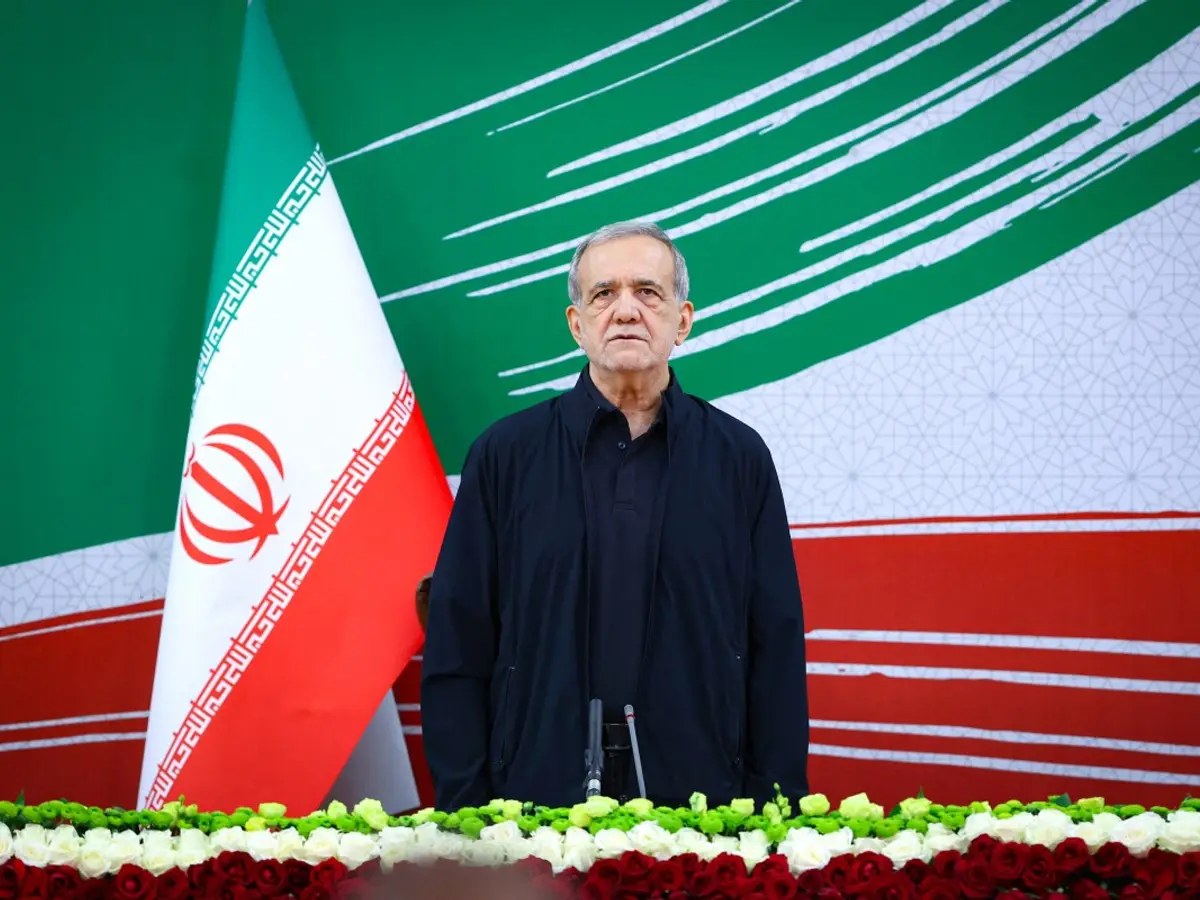
Iran Seeks Dialogue as U.S. Strikes Trigger Regional Retaliation
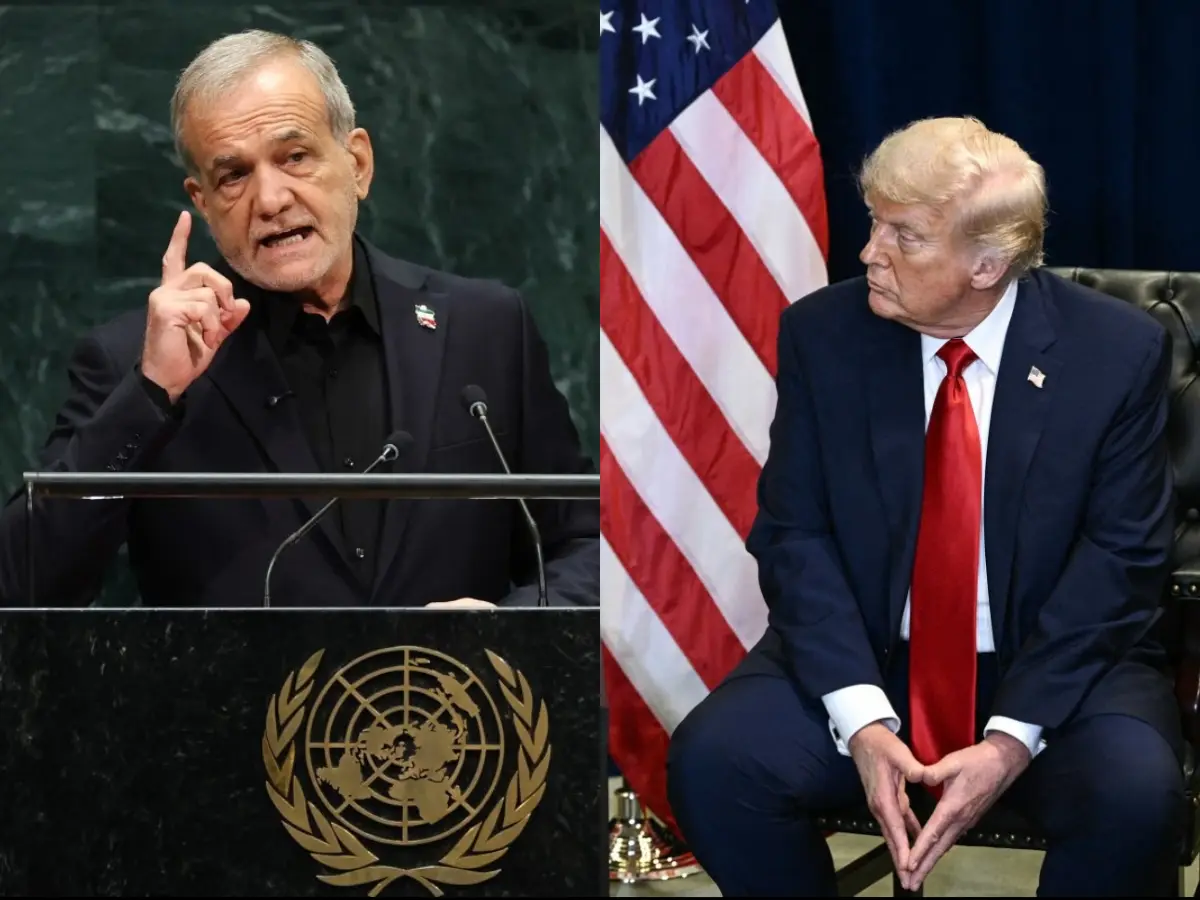
Pezeshkian Defies Trump With Defiant UN Speech on Iran
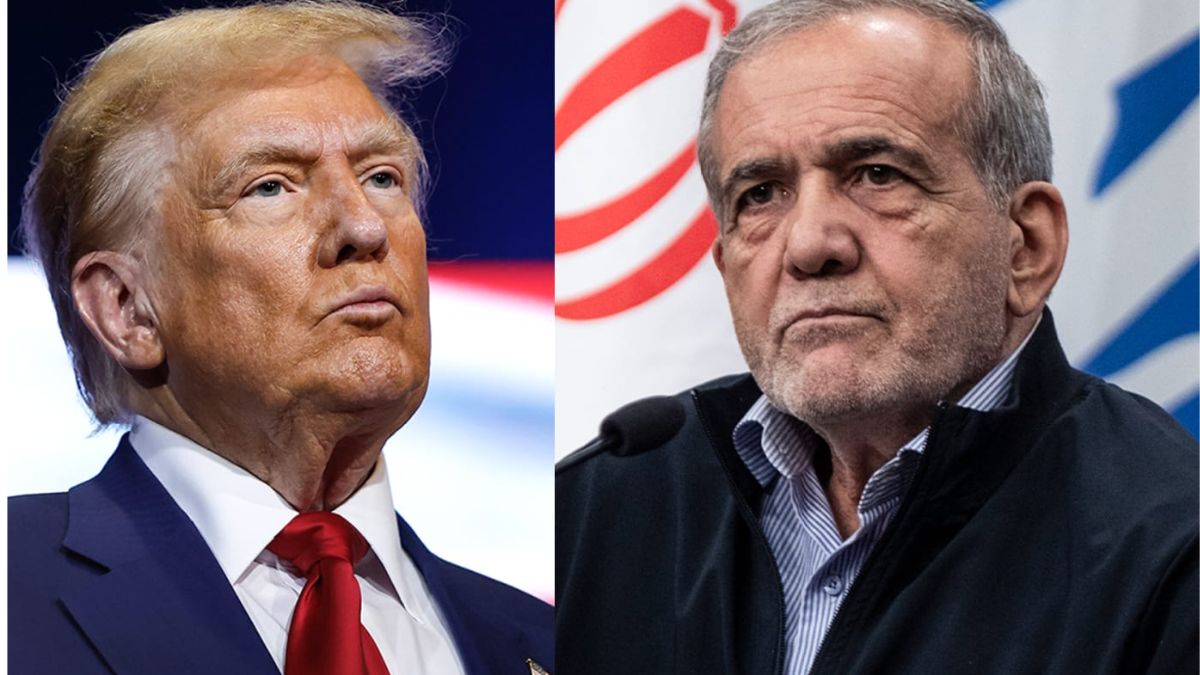
Trump-Pezeshkian UNGA Meeting Could Test Iran’s Hormuz Offer
US-Iran Shuttle Talks Raise Hopes Despite No Concessions

Iran Offers Seven-Day Hormuz Reopening If US Eases Pressure
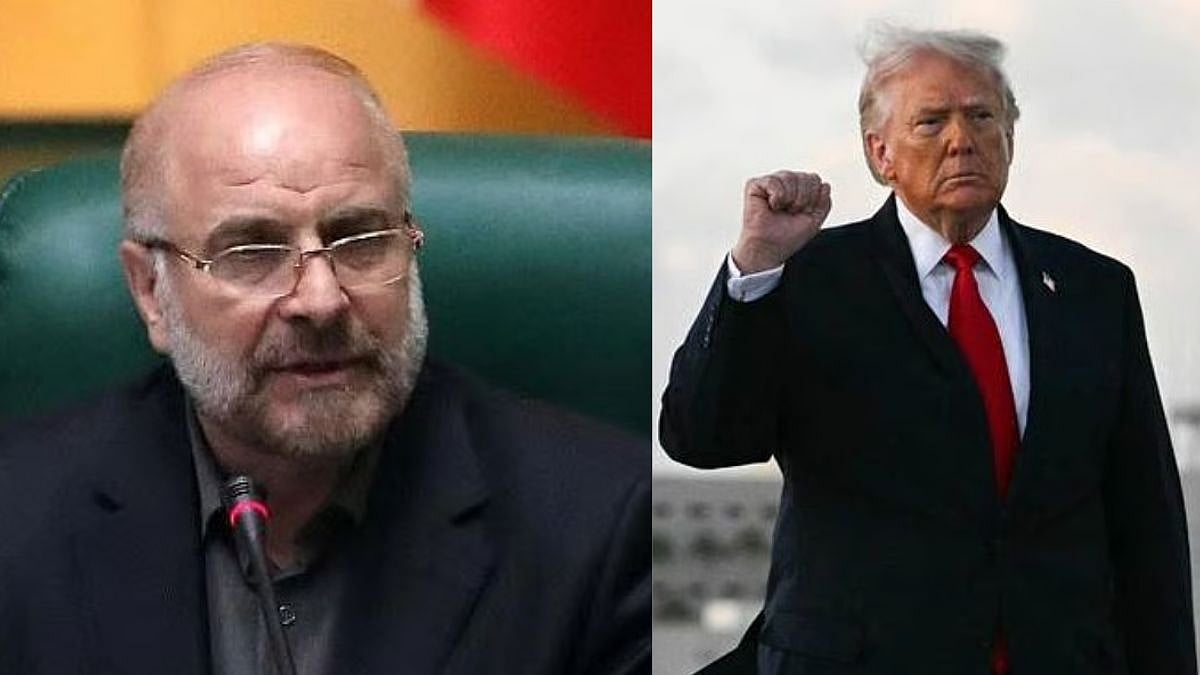
Iran Ties Hormuz Reopening and Talks to US Conditions

Stocks Fall as Oil Surges Despite Trump’s Productive Iran Talks
Indian Sailor Killed in Strait of Hormuz Vessel Attack
Pezeshkian Defies Trump, Offers Diplomacy in UN Wartime Speech
Indian Seafarer Killed After MV Cape Dao Attack Near Oman