

2 days ago
Mumbai Unveils 2026 Pollution Plan With Hotspot Monitoring
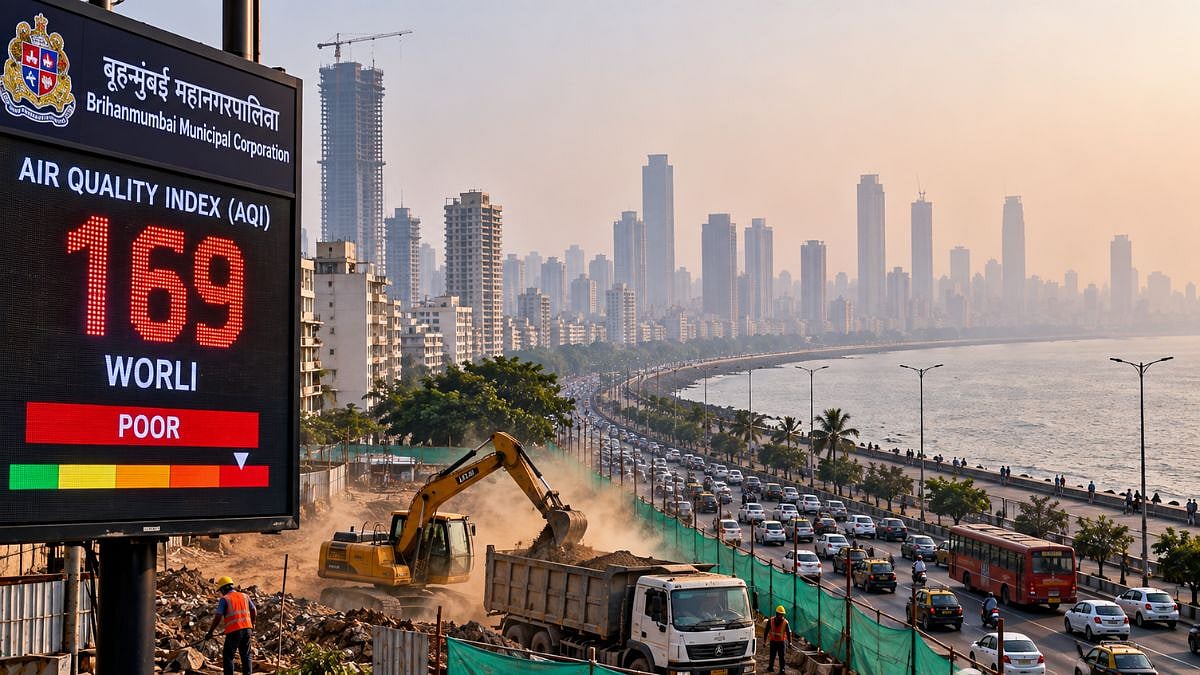
Mumbai’s civic body has created a new plan to reduce air pollution in 2026.
It will look for at least 10 pollution hotspots in every ward.
These places may include construction sites, traffic-heavy roads and waste-burning areas.
Officials will check construction sites and punish those that break dust-control rules.
Roads and junctions will also be cleaned after the monsoon.
Trucks carrying building waste must cover it and clean their wheels.
The city will check vehicles that release visible smoke and stop open burning of waste.
If pollution becomes very high, some polluting activities may be stopped near monitoring stations.

The Brihanmumbai Municipal Corporation will identify at least 10 pollution hotspots in every ward.
Construction sites violating 28-point rules may receive notices, stop-work orders or sealing action.
A post-monsoon deep-cleaning drive will target major roads, medians, junctions and junctions during October’s first two weeks.
Covered debris vehicles, wheel cleaning and tracking through the Mumbai Debris Control and Tracking System will be required.
Mumbai’s AQI reached 110 on October 2, while Worli recorded the city’s poorest listed AQI at 169.
- Who
- The Brihanmumbai Municipal Corporation, under the guidance of Mayor Ritu Tawde, Deputy Mayor Sanjay Ghadi and Municipal Commissioner Ashwini Bhide.
- What
- Mumbai has introduced the Air Pollution Control and Enforcement Action Plan-2026, covering hotspot monitoring, construction-dust enforcement, road cleaning, waste-burning controls and vehicle checks.
- Where
- Across Mumbai, including ward-level hotspots, construction sites, roads, junctions, traffic routes and waste-burning locations.
- When
- The plan was reported on October 2, 2026; the post-monsoon deep-cleaning drive is scheduled for the first two weeks of October.
- Why
- To address expected post-monsoon pollution linked to construction activity, dust, debris, waste burning and vehicular emissions.
Key facts
- City AQI
- Mumbai’s AQI was 110 on October 2, 2026, rising 31 points in 24 hours.
- Worst listed AQI
- Worli recorded an AQI of 169, followed by Mazgaon at 143, Navy Nagar-Colaba at 142, Deonar at 140 and Bhandup at 125.
- Monitoring coverage
- Nineteen of Mumbai’s 30 monitoring stations were active on Friday evening.
- Hotspot target
- At least 10 pollution hotspots will be identified in every ward.
- Construction enforcement
- The BMC will enforce 28 guidelines for construction and demolition sites.
- AQI escalation
- If a station records AQI above 300 for three consecutive days, polluting activities within 2 kilometres may be suspended.
- Road-cleaning responsibility
- Developers must maintain adjoining roads for 100, 200 or 500 metres depending on project size.
Sources
Related news
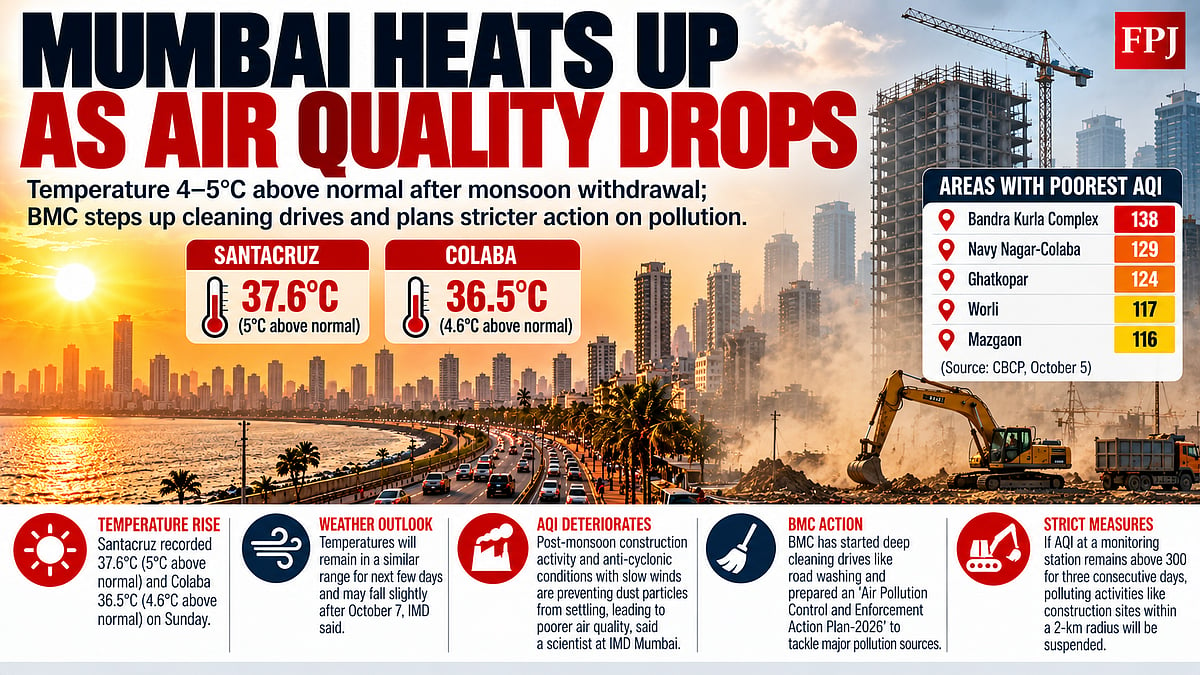
Mumbai Heat Reaches 37.6°C as Air Quality Worsens
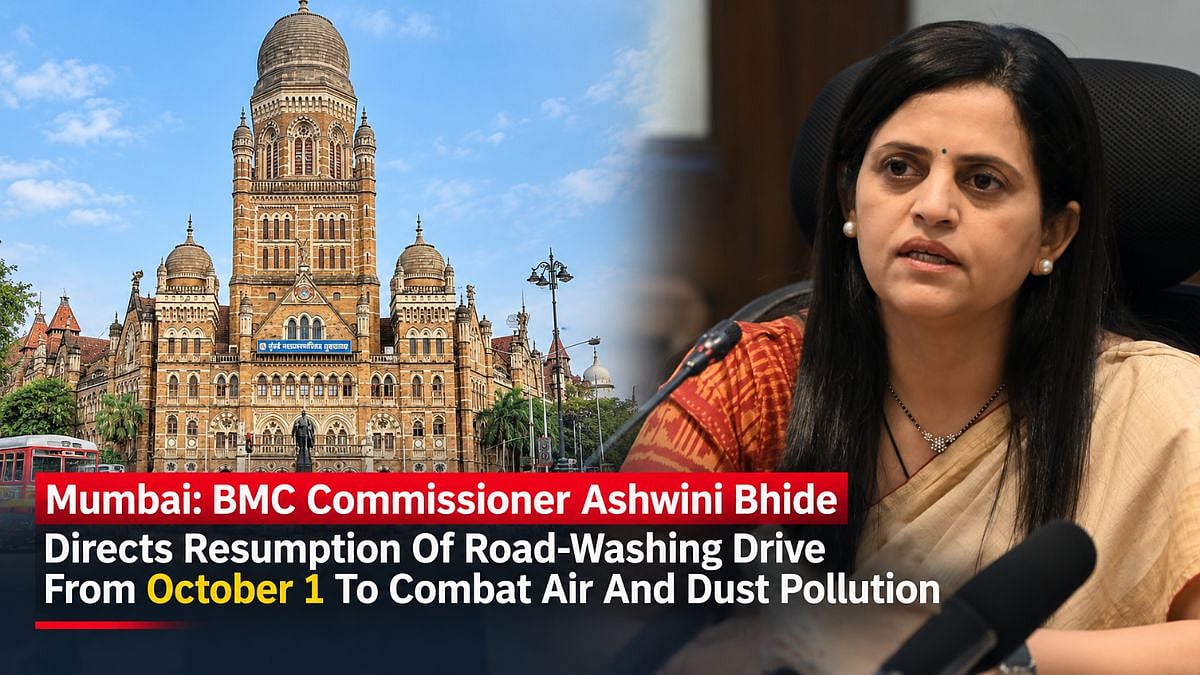
Mumbai Civic Body Resumes Road Washing to Combat Air Pollution

Centre Announces Delhi Winter Pollution Controls Across Major Sources
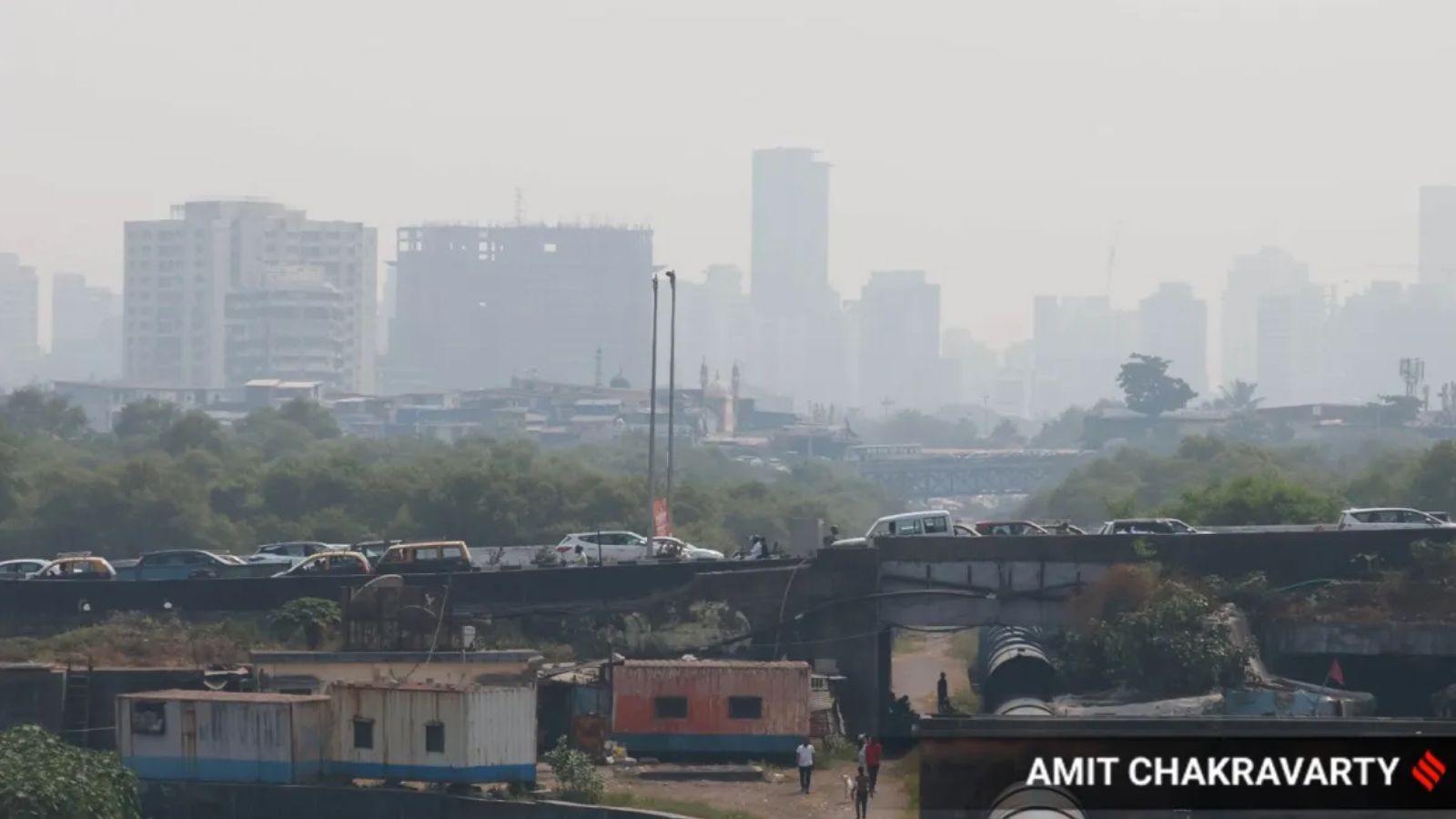
Mumbai Plans 15-Day Pollution Campaign Ahead of Winter
Mumbai Air Quality Turns Moderate as Rainfall Weakens
BMC, ARAI Begin Mumbai Region Pollution Mapping Study
Ujjain Police Warn DJ Operators Against Loudspeakers After 10 PM
APPCB Urges Nellore Rice Millers to Install Dust Controls

Andhra Pradesh Plans Three-Member Teams for Industrial Safety Audits

Bio-Based Packaging Is Not Automatically Sustainable Without Waste Systems
Delhi Begins October With Highest Pollution in Four Years
