

1 hr ago
Centre Announces Delhi Winter Pollution Controls Across Major Sources

The government has made a plan to reduce Delhi’s air pollution during winter.
It will focus on pollution from vehicles, factories, construction dust, burning waste, and busy traffic areas.
Some offices may use different working hours to reduce traffic.
Officials will visit traffic hotspots and test ways to make roads less crowded.
More roads and footpaths will be improved to reduce dust.
Certain construction and demolition work will be stopped during parts of the winter.
Some older vehicles registered outside Delhi will not be allowed to enter, except for CNG and electric vehicles.
More pollution monitors and enforcement teams will also be deployed.

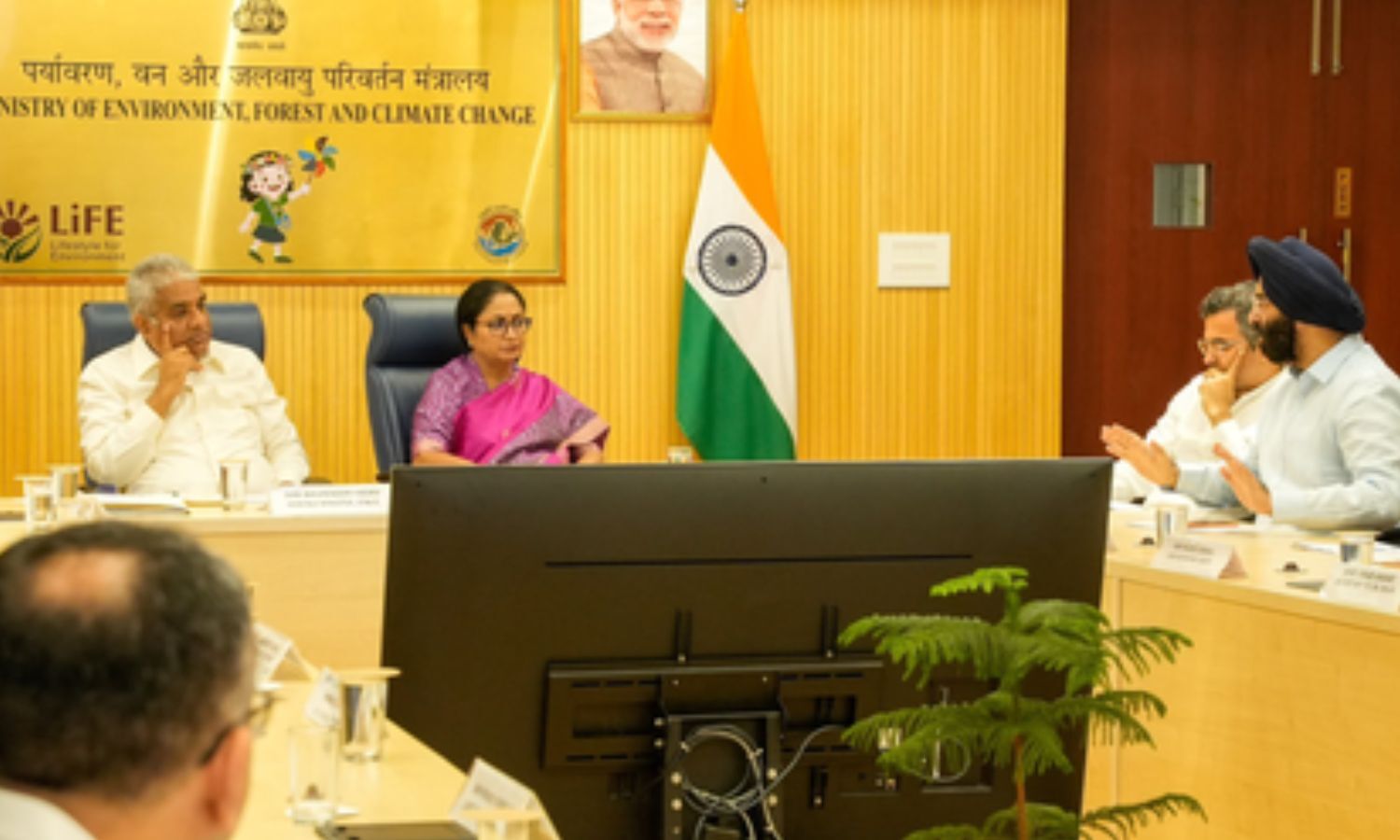
The Union environment ministry finalised a winter pollution-control plan for Delhi after a review meeting chaired by Environment Minister Bhupender Yadav.
The strategy targets vehicular, industrial and construction emissions, road dust, waste and biomass burning, public transport, greening, and pollution hotspots.
Staggered office timings, restrictions on some vehicles, and curbs on dust-generating construction and demolition are included.
Officials said 42 traffic hotspots have been rectified, with eight more targeted in October and decongestion trials planned at selected locations.
From November 1, 2026, some outside-Delhi vehicles below BS-VI standards will be restricted, while construction bans will apply during specified winter periods.
- Who
- The Union environment ministry, Union Environment Minister Bhupender Yadav, Delhi Chief Minister Rekha Gupta, Delhi ministers, and other officials.
- What
- They finalised a set of measures to control Delhi’s air pollution during the coming winter.
- Where
- Delhi, including its traffic hotspots, roads, construction sites, and industrial areas.
- When
- The review meeting took place on Monday; several restrictions are scheduled from November 1, 2026, through January 31, 2027.
- Why
- To reduce pollution from vehicles, dust, waste and biomass burning, industries, construction, and traffic hotspots.
Key facts
- Traffic hotspots
- 42 hotspots have been rectified, and eight more are targeted for October.
- Road redevelopment
- The government targeted 3,065 km of road redevelopment in 2026; 1,193 km have been completed.
- Construction restrictions
- Dust-generating demolition and outdoor civil construction will be banned from November 1, 2026, to January 31, 2027.
- Complete construction ban
- All construction and demolition activities will be banned from December 10, 2026, to January 20, 2027.
- Vehicle restrictions
- Vehicles registered outside Delhi and below BS-VI standards will face entry restrictions from November 1, 2026, except CNG and electric vehicles.
- Air-quality enforcement
- Monitoring stations will increase from 47 to 60, and 334 enforcement teams will act against non-conforming polluting industries.
- Industrial oversight
- An artificial-intelligence-enabled command and control centre will be operationalised.
Quotes
Union Environment Ministry official
An unnamed official who described the Centre’s Delhi pollution-control strategy
“decision was taken to strengthen industrial enforcement, operationalise an AI-enabled command and control centre, increase monitoring stations from 47 to 60, and deploy 334 enforcement teams to enforce strict action against non-conforming polluting industries”
 theprint.in
“The strategy with targeted action points would intensify action on vehicular emissions, road and construction dust, waste and biomass burning, industrial emissions, public transport, greening, and pollution and traffic hotspots.”
theprint.in
Sources
Related news

Delhi Announces Winter Curbs on Construction, Vehicles, Parking
Delhi Leaders Finalize Winter Air Plan With Vehicle Curbs, WFH
Delhi Reviews District Plans to Curb Air Pollution
Delhi Announces Winter Pollution Plan With Parking, WFH, Construction Curbs

Delhi Intensifies Pollution Curbs, Construction Ban Begins December

Delhi Expands Winter Pollution Enforcement With 334 Monitoring Teams

Delhi Minister Parvesh Verma Faces Slap Controversy During Road Inspection
