1 day ago
Bio-Based Packaging Is Not Automatically Sustainable Without Waste Systems
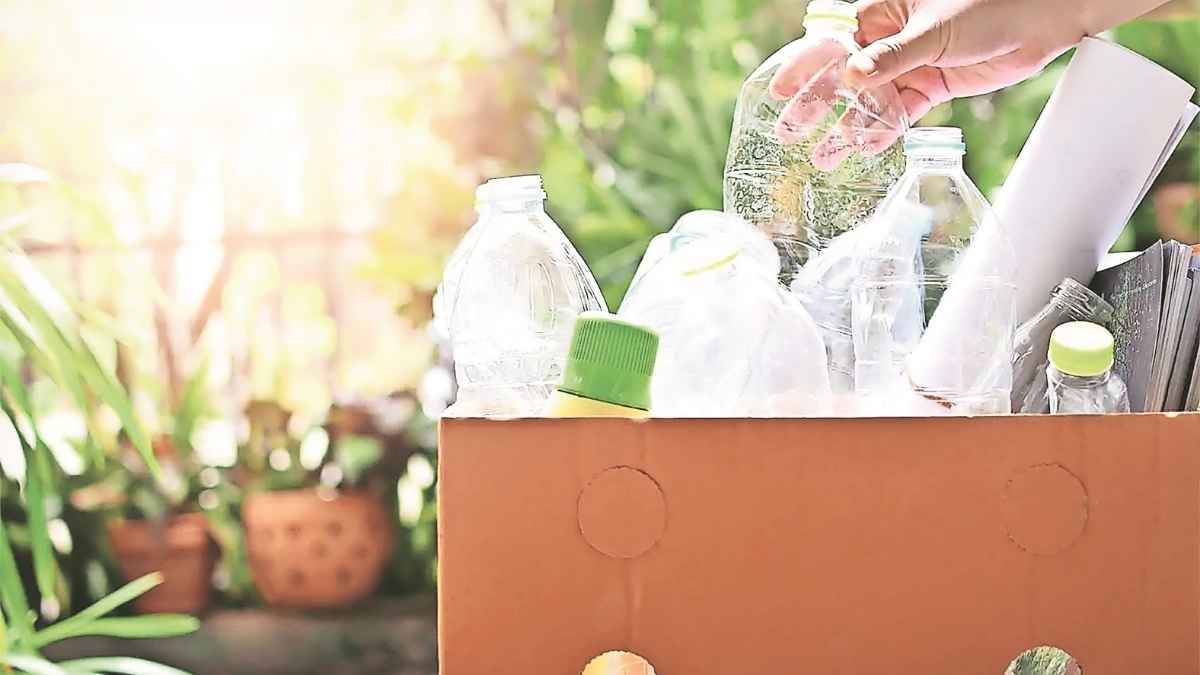
Some packages are made from plants instead of oil-based plastic.
But that does not mean they will disappear safely after we throw them away.
Some need special factories to compost them, and those factories may not be available nearby.
A package made from leaves or plant fibres might also have coatings that make it harder to process.
A package labelled recyclable may still not be collected or recycled.
New materials can also cause problems if they get mixed with other recycling.
The article says packaging should be designed for the waste systems that actually exist.
It also asks whether we can use fewer disposable things and reuse more.

Bio-based, biodegradable, compostable and recyclable describe different properties; none guarantees a product will be properly handled after use.
Many compostable materials need specific industrial conditions, but India lacks dedicated composting infrastructure at the scale that widespread use would require.
Fibre-based packaging made from bagasse, areca or palm leaves may contain coatings or binders that make it harder to process.
A 2024 national circular-economy assessment estimated that about 8% of plastic consumed in India was recycled in 2019.
The article argues that new packaging should be assessed against real collection, sorting and processing systems—and that reducing disposable use matters too.
- Who
- Businesses, restaurants, consumers and waste-management systems in India; initiatives mentioned include Zomato's PackSwitch and the Department of Consumer Affairs and Bureau of Indian Standards' Biopackathon 2026.
- What
- An examination of whether bio-based and other alternative packaging delivers environmental benefits when waste collection and processing systems may not be equipped to handle it.
- Where
- India.
- When
- The article discusses recent packaging initiatives and cites a 2024 assessment of plastic recycling in 2019.
- Why
- Interest in alternatives has grown amid consumer demand and regulatory pressure, but the article says benefits depend on whether packaging can be collected, sorted and processed after use.
Key facts
- PackSwitch
- Zomato launched an application to help restaurants choose alternatives to plastic packaging.
- Biopackathon 2026
- The Department of Consumer Affairs and the Bureau of Indian Standards launched the initiative to find biodegradable packaging for gutkha and pan masala sachets.
- Plastic rules
- The article says India's Plastic Waste Management Amendment Rules of 2021 and 2022 restricted several single-use plastic items.
- Plastic recycling estimate
- A 2024 national circular-economy assessment estimated that about 8% of plastic consumed in India was recycled in 2019.
- Recycling markets
- The article describes established Indian recycling markets for PET, rigid HDPE and rigid PP, while some flexible and multilayer plastics have weaker markets.
- Standards
- The Bureau of Indian Standards adopted provisional standards, including IS 17899, for evaluating the biodegradability of certain new materials.
- Core limitation
- Certification may establish that a product meets technical criteria, but does not itself provide collection, composting or recycling infrastructure.
Sources
Related news
India Pitches Circular Economy for Resource-Efficient Growth at WCEF 2026
Maharashtra Students Invited to Pitch Sustainable Packaging Alternatives

India Frames Circularity as Modern Renewal of Traditional Values
Startup Turns Methane Into Protein and Climate Solutions
Badlapur Planned Integrated Waste Facility To Process 600 TPD

India Could Use GST to Accelerate Circular Economy

Karnataka Gig-Worker Scheme Faces Test as Unions Seek Benefits

IndiaTech Seeks Changes to Gig Worker Social Security Levy

Deepinder Goyal Answers Questions About Temple Wearable

Young Indian founders build businesses before turning twenty-five