1 week ago
Personalised cancer vaccine halves melanoma death risk in trial
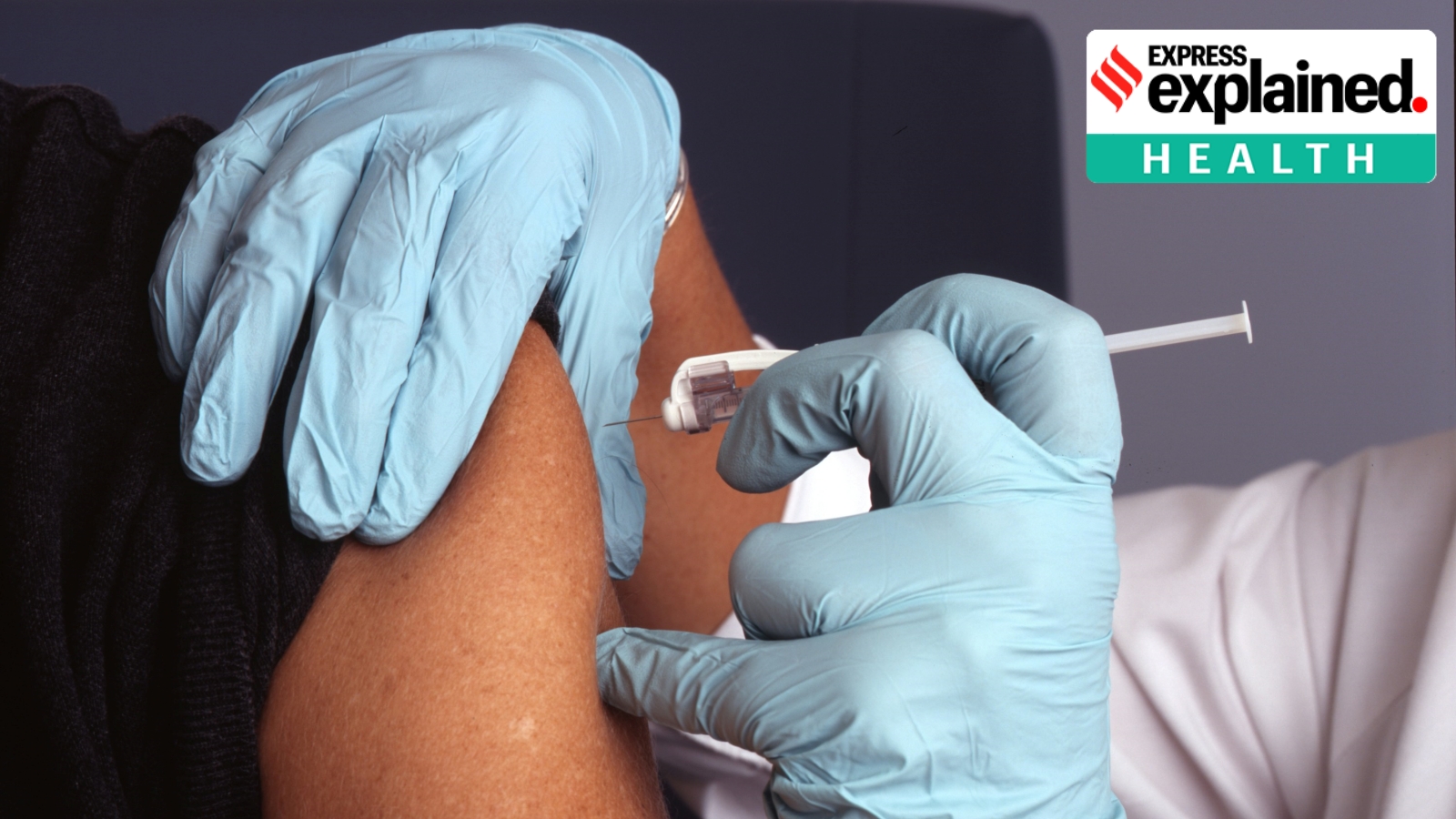
Scientists have developed a vaccine made specially for each person’s skin cancer.
It studies the tumour to find unusual proteins called neoantigens.
The vaccine uses mRNA instructions to help the body make copies of these proteins.
This teaches the immune system what that person’s cancer looks like.
If cancer returns, the immune system may recognise it more quickly.
In a study, the vaccine was given together with the drug Keytruda.
The combination lowered the risk of death from recurring melanoma by 49% and from spreading melanoma by 59%, compared with Keytruda alone.
The most common side effects were tiredness, pain where the injection was given, and chills.
Doctors said the treatment may not immediately help many people in India because melanoma is uncommon there and Keytruda is expensive.

The personalised mRNA vaccine intismeran is designed using mutations from each patient’s tumour.
When combined with Keytruda, it reduced the risk of death from recurrent melanoma by 49%.
The combination also reduced the risk of death from melanoma that had spread by 59%, compared with Keytruda alone.
The vaccine targets 34 cancer-specific neoantigens to help the immune system recognise returning cancer cells.
Doctors said its immediate impact in India may be limited because melanoma is rare and immunotherapy is often unaffordable.
- Who
- Merck and Moderna developed intismeran; the study involved patients with melanoma receiving Keytruda, with findings discussed by medical experts.
- What
- A personalised mRNA cancer vaccine combined with Keytruda reduced reported risks of death from recurrent or spreading melanoma.
- Where
- The treatment was discussed in relation to cancer care in India; the article does not specify where the trial took place.
- When
- The article reports Phase 3 findings but does not provide a specific study date.
- Why
- The vaccine is intended to train the immune system to recognise and respond to cancer-specific neoantigens if the cancer returns or spreads.
Potential clinical breakthrough
Important current limitations
Effectiveness
Potential clinical breakthrough
The reported Phase 3 findings suggest that adding intismeran to Keytruda substantially lowered the risks of death from recurrent and spreading melanoma.
Important current limitations
The findings compare the combination with Keytruda alone and are specifically for melanoma; the article does not establish benefits for other cancers.
Significance for India
Potential clinical breakthrough
The treatment could represent a new approach to preventing cancer recurrence by creating immune memory against each patient’s tumour.
Important current limitations
Indian oncologists said its immediate impact may be limited because melanoma is rare in India and most patients cannot afford Keytruda, let alone a combination therapy.
Key facts
- Therapy
- Intismeran, a personalised mRNA cancer vaccine developed by Merck and Moderna
- Combination treatment
- Intismeran was administered with Keytruda
- Reported reduction in death risk
- 49% for recurrence of melanoma and 59% for melanoma spreading, compared with Keytruda alone
- Vaccine design
- Each treatment contains mRNA coding for 34 tumour-specific neoantigens
- Common side effects
- Fatigue, injection-site pain, and chills
- Melanoma in India
- Melanoma accounts for 0.26% of cancer cases and 0.17% of cancer deaths in India, according to Globocan
- Immunotherapy access
- A Tata Memorial Hospital real-world study found that 1.6% of patients who need such immunotherapy could access it
Quotes
Abhishek Shankar
Oncologist at AIIMS-New Delhi
“The benefit is that this fingerprint of the cancer goes into the immune system’s memory. So, if the cancer comes back, the body’s immune system can immediately recognise it and mount a response, prolonging recurrence-free survival.”
 indianexpress.com
“Cost is a very significant factor in India. How can they afford the combination therapy when they cannot afford the immunotherapy itself?”
indianexpress.com

Stéphane Bancel
CEO of Moderna
“These Phase 3 findings represent a pivotal moment for the field of cancer research. For many years, the idea of creating an mRNA treatment designed specifically for an individual patient’s cancer was aspirational. We are now helping turn that vision into a reality.”
indianexpress.com
Sources
Related news
Personalized mRNA Vaccine Shows Promise Against Melanoma Recurrence
Moderna Cancer Vaccine Shows Early Melanoma Recurrence Benefits

Merck, Moderna Cancer Vaccine Meets Phase 3 Melanoma Milestone
Moderna-Merck Cancer Vaccine Shows Breakthrough in Melanoma Trial

Moderna Shares Surge After Positive Personalized Melanoma Trial Results
Merck and Moderna Vaccine Posts Positive Phase 3 Melanoma Results