19 hrs ago
Supreme Court Seeks Centre’s Views on EVM Totalisers
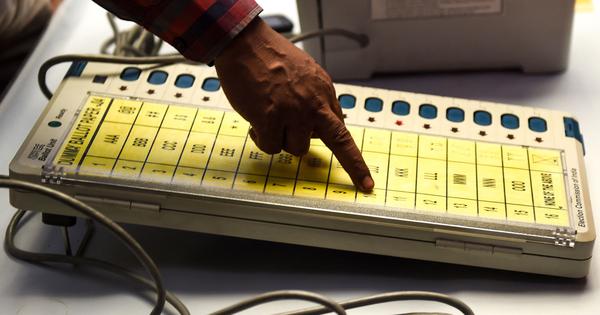
The Supreme Court is considering whether votes from several polling booths should be counted together.
A device called a totaliser can combine votes from about 14 booths.
Today, votes from electronic voting machines are counted booth by booth.
This shows how each small area voted.
The petitioners say that this could allow political parties to identify and target voters.
They believe combined counting could reduce intimidation and post-election violence.
The Election Commission has described possible benefits but also raised legal and auditing concerns.
It said many political parties and a government-appointed Group of Ministers opposed the idea.
The court has asked the Centre and the Commission whether the rules can be changed to allow totalisers for EVMs.

The Supreme Court sought the Centre’s views on using totalisers to count EVM votes from about 14 polling booths together.
Petitioners want parliamentary constituency-level results instead of separately disclosing booth-wise figures.
They say totalisers could protect voter privacy and reduce targeting, intimidation, victimisation and post-poll violence.
The Election Commission said 50% of national parties and 68% of state-level parties opposed the proposal, as did a Group of Ministers.
The Commission cited a lack of statutory backing and warned that clustered counting could conceal discrepancies affecting Form 17C-based audits.
- Who
- The Supreme Court of India, the Centre, the Election Commission of India and petitioners including Ashwini Upadhyay are involved.
- What
- The court sought the Centre’s views on introducing totalisers to count EVM votes in clusters rather than booth by booth.
- Where
- The matter was heard before a three-judge bench of the Supreme Court of India.
- When
- The hearing took place on Tuesday; the articles do not specify the date.
- Why
- Petitioners seek to protect voters from targeting and post-poll violence, while the Election Commission has raised legal, procedural and auditing concerns.
Petitioners and voter-protection supporters
Election Commission and political opponents
Voter privacy and safety
Petitioners and voter-protection supporters
Combining votes from multiple booths would make it difficult to determine how a particular booth voted, potentially reducing voter targeting, intimidation, victimisation and post-poll violence.
Election Commission and political opponents
The Election Commission reported that most political parties consulted opposed the proposal, while the petitioners said party-management concerns should not outweigh voter protection.
Transparency and auditing
Petitioners and voter-protection supporters
Petitioners argue that constituency-level results would prevent parties from identifying the support they received at specific booths and would preserve voter privacy.
Election Commission and political opponents
The Commission said booth-wise counting helps detect discrepancies or tampering, while clustered counting could conceal a discrepancy within the combined figure and affect the Form 17C-based audit process.
Legal authority
Petitioners and voter-protection supporters
The petitioners referred to earlier support or recommendations from the Election Commission, the Law Commission and a ministry, and asked whether a rule similar to Rule 59A could cover EVMs.
Election Commission and political opponents
The Commission said totalisers lack statutory backing, would require substantive legal and procedural amendments, and that the Centre must make any rules in consultation with the Commission.
Key facts
- Proposed device
- A totaliser combines votes cast at about 14 polling booths.
- Current counting method
- EVM votes are counted polling station-wise, revealing voting patterns in localities or pockets.
- Petitioners’ request
- They seek results to be declared for an entire parliamentary constituency rather than separately by booth.
- Supreme Court bench
- Chief Justice Surya Kant, Justice Joymalya Bagchi and Justice V Mohana.
- Reported political opposition
- The Election Commission said 50% of national parties and 68% of state-level parties opposed totalisers; a Group of Ministers also opposed the proposal.
- Legal status
- The Commission said current constitutional and election-law provisions do not recognise, regulate or govern EVM totalisers.
- Audit concern
- The Commission said a discrepancy in one clubbed EVM could be concealed within the aggregate result, affecting the audit mechanism based on Form 17C.
Quotes
Counsel appearing for the Election Commission
Legal counsel representing the Election Commission during the Supreme Court hearing
“It is further humbly submitted that the introduction of the totaliser would necessarily require substantive amendments to the extant law, together with a corresponding revision of the statutory procedure governing the counting of votes,”
 telegraphindia.com
“the only argument of political parties is (that) we as political parties have to go to each polling booth and manage the polling booth”
 indianexpress.com
DS Naidu
Senior advocate appearing for the Election Commission
“50% national parties opposed, 68% state-level parties opposed. It was then referred to a Group of Ministers, they also opposed”
indianexpress.com
Sources
Related news
Supreme Court Seeks West Bengal Electoral Appeals Data
Madras HC to Assess Stalin Petition Against TVK Kolathur Win

SC directs EC on Bengal voter roll appeal data
Congress Plans House-to-House Survey to Protect Genuine Voters in Telangana
Telangana CEO: Over 92 Lakh Voters to Receive SIR Notices

Two Years After RG Kar Doctor's Rape-Murder, Case Remains Unresolved

ED widens Chhattisgarh probes with two arrests and searches

Delhi High Court Orders Madhya Pradesh to Pay Advocate Dues
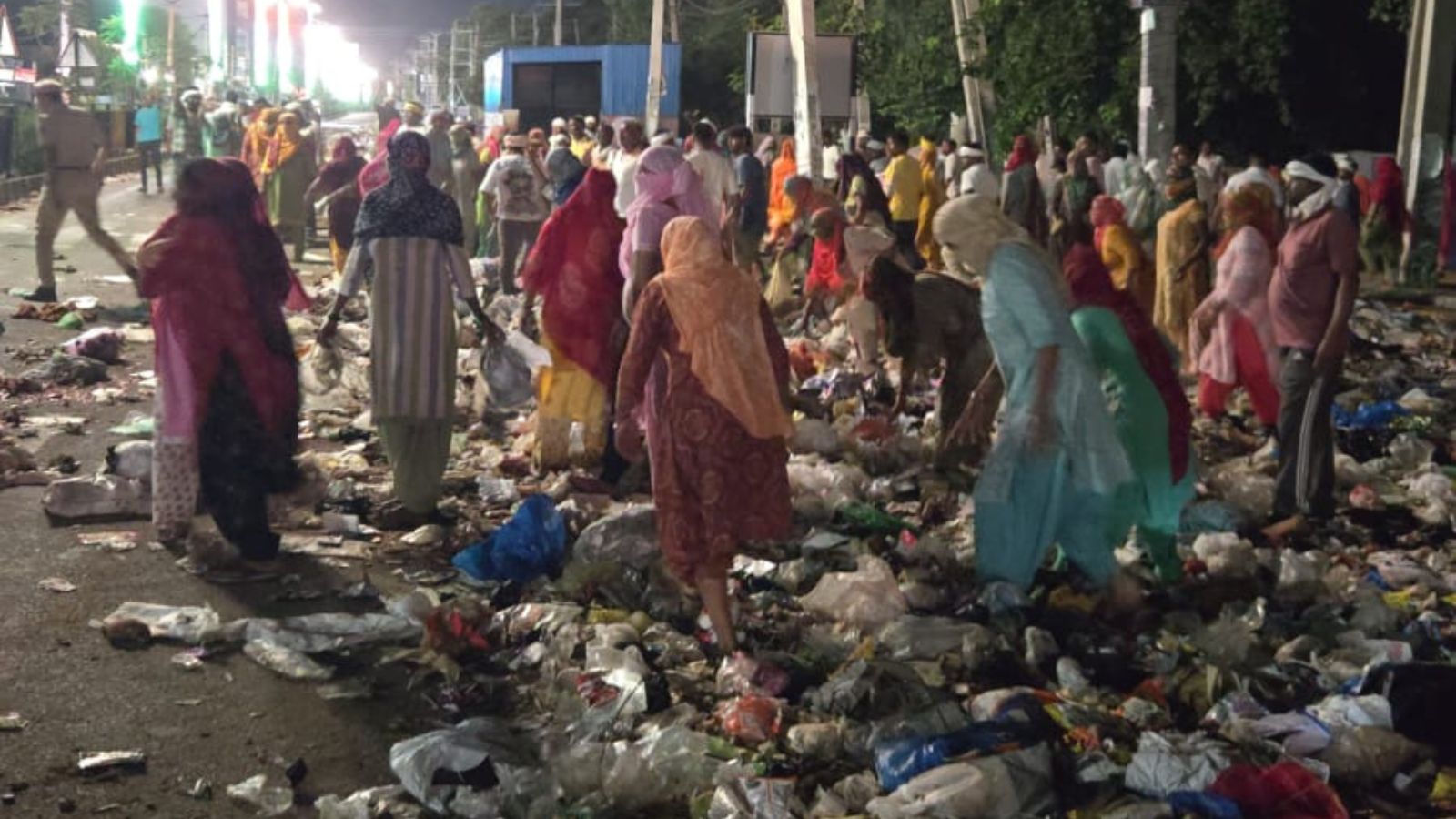
Haryana sanitation workers’ strike puts BJP government under pressure
Orissa High Court Says Brothel Customers Cannot Face Trafficking Charges